
Happiness & Success
Achieving Happiness Through Acceptance of Life
The quest for happiness often leads to frustration, as many fail to realize that the...








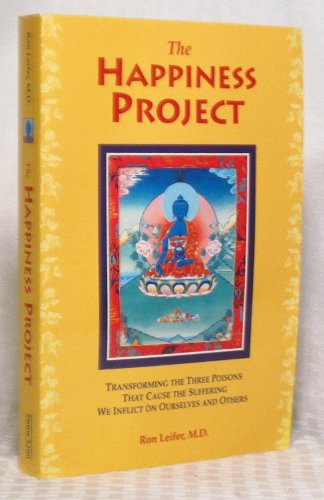
Ancient Buddhist wisdom meets modern psychological insight in this profound exploration of what truly constitutes human happiness and wellbeing. Drawing from decades of clinical psychiatric experience combined with deep study of Tibetan Buddhist philosophy, this work offers readers a revolutionary framework for understanding the roots of suffering and the genuine path to contentment.
At the heart of this exploration lies a fundamental question that has puzzled humanity throughout history: why does happiness remain so elusive despite our relentless pursuit of it? Through careful analysis of both Eastern contemplative traditions and Western psychological theories, readers discover that conventional approaches to happiness often create the very obstacles they seek to overcome. The pursuit of pleasure, accumulation of possessions, achievement of status, and satisfaction of desires rarely deliver the lasting fulfillment they promise. Instead, these strategies frequently generate new anxieties, disappointments, and frustrations.
The work presents a compelling argument that genuine happiness arises not from external circumstances but from transforming our relationship with experience itself. By examining the nature of mind and consciousness through both Buddhist and psychological lenses, readers gain invaluable insights into how mental patterns, attachments, and aversions shape every aspect of lived experience. The discussion illuminates how much of human suffering stems from resistance to reality as it is, and from the constant attempt to manipulate circumstances to match idealized expectations.
Read more ▼
Jonathan Rauch
The 7 habits of highly effective people
Stephen R. Covey, Sean Covey
Clare R. Johnson

Melvin D. Epp
The quest for happiness often leads to frustration, as many fail to realize that the...

Reaching sixty can evoke complex emotions, blending relief with ongoing ambition. This...

The quest for life's purpose often leads to unsatisfactory answers. This article...

Romantic love is a complex emotion shaped by historical, cultural, and biological...

Imagine going through one of the most physically and emotionally demanding experiences...

Daily actions often conflict with personal beliefs due to past experiences. By utilizing...

Have you ever argued over something that wasn't actually said? From cultural differences...

Therapists often use dream interpretation to delve into patients' emotions, but true...