

Happiness & Success
Achieving Happiness Through Acceptance of Life
The quest for happiness often leads to frustration, as many fail to realize that the...








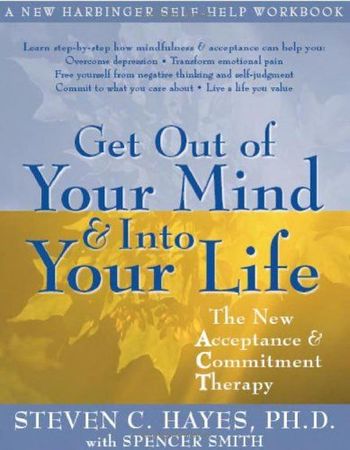
Psychological suffering often stems not from our difficult thoughts and feelings themselves, but from our exhausting attempts to control, suppress, or eliminate them. This groundbreaking work introduces readers to a revolutionary approach to mental health and well-being that challenges conventional wisdom about how to handle psychological pain. Rather than engaging in an endless battle against uncomfortable internal experiences, this therapeutic framework offers a radical alternative: learning to change your relationship with your thoughts and feelings while moving forward in directions that truly matter to you.
At the heart of this approach lies a deceptively simple yet profound insight: the struggle to avoid or control painful thoughts and emotions often amplifies suffering rather than relieving it. Through compelling examples and practical exercises, readers discover how language and cognition, while uniquely human gifts, can paradoxically trap us in cycles of rumination, worry, and avoidance. The framework presented here helps readers recognize how their minds naturally generate streams of judgments, comparisons, and stories about themselves and their lives, and how getting entangled in these mental narratives prevents authentic living.
The methodology presented combines mindfulness practices with behavioral activation, creating a comprehensive system for psychological flexibility. Readers learn six core processes that work together synergistically: accepting internal experiences rather than fighting them, cognitive defusion techniques that create space between themselves and their thoughts, present moment awareness that grounds them in direct experience, self-as-context perspectives that transcend limiting self-stories, clarity about deeply held values, and committed action aligned with those values.
Read more ▼
Joan Rose Staffen

Ryan Holiday

Faith and the Placebo Effect An Argument for Self Healing
Lolette Kuby Ph.D
The quest for happiness often leads to frustration, as many fail to realize that the...

Reaching sixty can evoke complex emotions, blending relief with ongoing ambition. This...

The quest for life's purpose often leads to unsatisfactory answers. This article...

Romantic love is a complex emotion shaped by historical, cultural, and biological...

Imagine going through one of the most physically and emotionally demanding experiences...

Daily actions often conflict with personal beliefs due to past experiences. By utilizing...

Have you ever argued over something that wasn't actually said? From cultural differences...

Therapists often use dream interpretation to delve into patients' emotions, but true...