
Happiness & Success
Achieving Happiness Through Acceptance of Life
The quest for happiness often leads to frustration, as many fail to realize that the...









Learning to navigate life's turbulent moments with grace and clarity represents one of the most valuable skills we can develop. When faced with conflict, criticism, or challenging conversations, most of us experience an automatic cascade of physiological and emotional reactions that can hijack our ability to respond thoughtfully. Our hearts race, our minds go blank or spin into overdrive, and we either lash out defensively or shut down completely. These reactive patterns sabotage our relationships, careers, and sense of inner peace, yet breaking free from them can feel impossibly difficult.
What if there were a way to remain centered and present even in the most triggering situations? What if you could train yourself to notice the early warning signs of reactivity and consciously choose a different response? This comprehensive guide offers a revolutionary approach to handling conflict and stress by addressing the neurobiological roots of our reactive patterns. Rather than simply providing communication techniques or positive thinking strategies, it reveals how our nervous system actually works during moments of perceived threat and teaches practical methods for interrupting the automatic fight, flight, or freeze response.
At the heart of this transformative work lies the concept of the "reactive brain" versus the "creative brain." When we feel attacked, criticized, or overwhelmed, our primitive survival mechanisms take over, shutting down our capacity for complex thought, empathy, and creative problem-solving. We literally lose access to our higher brain functions and operate from a place of pure reaction. Understanding this biological reality helps explain why intelligent, well-intentioned people so often say and do things they later regret during heated moments. The key to transformation isn't willpower or positive affirmations but rather developing the ability to recognize when you've been hijacked and knowing how to bring yourself back online.
Read more ▼
John Kuypers
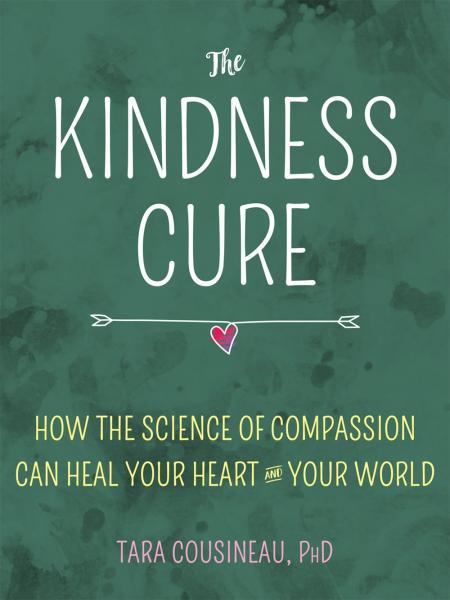
Tara Cousineau

Patsy Clairmont

Margaret Atwood
The quest for happiness often leads to frustration, as many fail to realize that the...

Reaching sixty can evoke complex emotions, blending relief with ongoing ambition. This...

The quest for life's purpose often leads to unsatisfactory answers. This article...

Romantic love is a complex emotion shaped by historical, cultural, and biological...

Imagine going through one of the most physically and emotionally demanding experiences...

Daily actions often conflict with personal beliefs due to past experiences. By utilizing...

Have you ever argued over something that wasn't actually said? From cultural differences...

Therapists often use dream interpretation to delve into patients' emotions, but true...