
Happiness & Success
Achieving Happiness Through Acceptance of Life
The quest for happiness often leads to frustration, as many fail to realize that the...








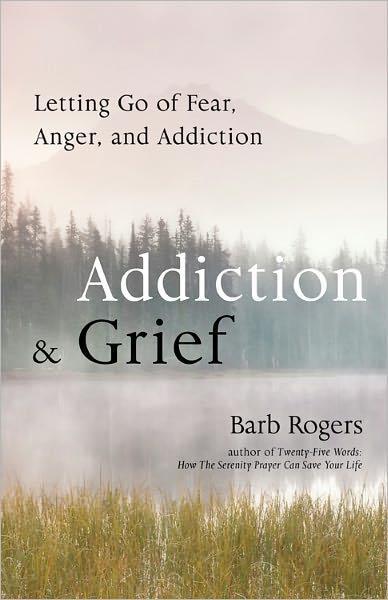
Understanding the intricate relationship between addiction and unresolved grief opens a doorway to profound healing and transformation. Many people struggling with addictive behaviors—whether to substances, relationships, food, or other compulsions—find themselves caught in cycles they cannot explain or escape. What often lies beneath these patterns is a wellspring of unprocessed emotional pain, particularly grief that has never been properly acknowledged or mourned.
This compassionate guide illuminates how addiction frequently serves as an attempt to manage overwhelming feelings of loss, abandonment, and emotional trauma. Rather than viewing addiction solely through the lens of weakness or moral failing, readers discover how addictive patterns emerge as survival mechanisms—misguided attempts to cope with pain that feels unbearable. The exploration goes beyond surface-level behaviors to examine the deep emotional wounds that fuel the addictive cycle, offering a pathway toward genuine healing rather than mere abstinence.
Central to this work is the recognition that grief comes in many forms. Beyond the obvious losses of death and separation, there are the losses we rarely name: loss of innocence, loss of childhood, loss of dreams, loss of self. Each ungrieved loss creates a reservoir of pain that demands attention, and when that attention is not given through healthy grieving processes, it often manifests through addictive behaviors. The material guides readers through identifying their own hidden losses and understanding how these unacknowledged griefs have shaped their lives and choices.
Read more ▼
Deepak Chopra

Transformation Through Bodywork
Dan Menkin

The science of the art of psychotherapy
Allan N. Schore
Bessel van der Kolk
The quest for happiness often leads to frustration, as many fail to realize that the...

Reaching sixty can evoke complex emotions, blending relief with ongoing ambition. This...

The quest for life's purpose often leads to unsatisfactory answers. This article...

Romantic love is a complex emotion shaped by historical, cultural, and biological...

Imagine going through one of the most physically and emotionally demanding experiences...

Daily actions often conflict with personal beliefs due to past experiences. By utilizing...

Have you ever argued over something that wasn't actually said? From cultural differences...

Therapists often use dream interpretation to delve into patients' emotions, but true...