
Happiness & Success
Achieving Happiness Through Acceptance of Life
The quest for happiness often leads to frustration, as many fail to realize that the...








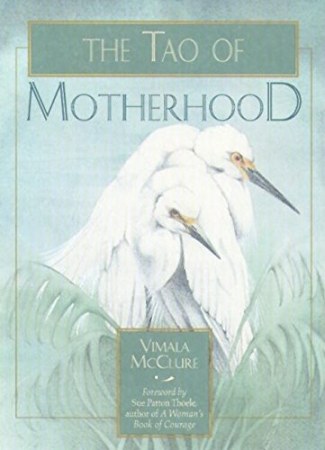
Motherhood stands as one of life's most profound spiritual practices, offering daily opportunities for awakening, growth, and unconditional love. Drawing upon ancient Taoist wisdom and adapting its timeless principles to the journey of raising children, this illuminating guide reveals how the challenges and joys of parenting can become a path to deeper self-understanding and spiritual fulfillment.
The wisdom of the Tao Te Ching, written over 2,500 years ago, speaks to universal truths about flowing with life rather than forcing outcomes, embracing softness over hardness, and finding strength in flexibility. These principles translate remarkably well to the art of mothering, where control often proves impossible and surrender becomes necessary. Each brief chapter pairs ancient Taoist verses with contemporary reflections on motherhood, creating a bridge between Eastern philosophy and the daily reality of caring for children.
Readers discover how the Taoist concept of wu wei, or effortless action, applies beautifully to parenting. Rather than constantly pushing, directing, and managing every aspect of childhood, mothers learn to recognize when to step back, when to guide gently, and when to trust their children's innate wisdom. This approach reduces stress and conflict while fostering independence and confidence in young ones. The practice of being rather than doing creates space for authentic connection and allows both mother and child to flourish naturally.
Read more ▼
John Mordechai Gottman, Joan Declaire
The mindful path to self-compassion
Christopher K. Germer

Kris Marsh
The quest for happiness often leads to frustration, as many fail to realize that the...

Reaching sixty can evoke complex emotions, blending relief with ongoing ambition. This...

The quest for life's purpose often leads to unsatisfactory answers. This article...

Romantic love is a complex emotion shaped by historical, cultural, and biological...

Imagine going through one of the most physically and emotionally demanding experiences...

Daily actions often conflict with personal beliefs due to past experiences. By utilizing...

Have you ever argued over something that wasn't actually said? From cultural differences...

Therapists often use dream interpretation to delve into patients' emotions, but true...