

Happiness & Success
Achieving Happiness Through Acceptance of Life
The quest for happiness often leads to frustration, as many fail to realize that the...








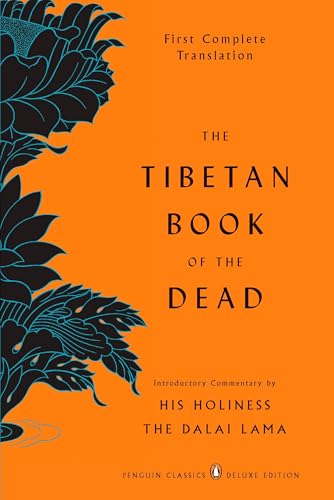
Journey into one of humanity's most profound explorations of consciousness, death, and the transformative possibilities that await beyond our earthly existence. This ancient Tibetan Buddhist text offers readers a remarkable guide through the bardos—the intermediate states between death and rebirth—providing not just a map for the dying process, but a comprehensive philosophy for living more consciously and lovingly in every moment.
At its heart, this sacred text reveals how our relationships, attachments, and the quality of love we cultivate during life fundamentally shape our experience of death and beyond. The teachings illuminate how every connection we forge, every emotional bond we create, and every act of compassion we express becomes woven into the fabric of our consciousness. These patterns don't simply disappear at death; they form the landscape through which awareness must navigate during the profound transition from one state of being to another.
Readers discover that the dissolution of the physical body marks not an ending, but a radical transformation of consciousness where the deepest patterns of attachment, aversion, and love become vividly manifest. The text describes in extraordinary detail how the dying person encounters luminous visions and experiences that reflect their innermost nature—the love they've cultivated, the connections they've formed, and the spiritual development they've achieved. Understanding this process offers profound implications for how we approach our relationships now, encouraging us to develop genuine compassion, release toxic attachments, and cultivate unconditional love while we still have the opportunity.
Read more ▼
The quest for happiness often leads to frustration, as many fail to realize that the...

Reaching sixty can evoke complex emotions, blending relief with ongoing ambition. This...

The quest for life's purpose often leads to unsatisfactory answers. This article...

Romantic love is a complex emotion shaped by historical, cultural, and biological...

Imagine going through one of the most physically and emotionally demanding experiences...

Daily actions often conflict with personal beliefs due to past experiences. By utilizing...

Have you ever argued over something that wasn't actually said? From cultural differences...

Therapists often use dream interpretation to delve into patients' emotions, but true...