
Happiness & Success
Achieving Happiness Through Acceptance of Life
The quest for happiness often leads to frustration, as many fail to realize that the...








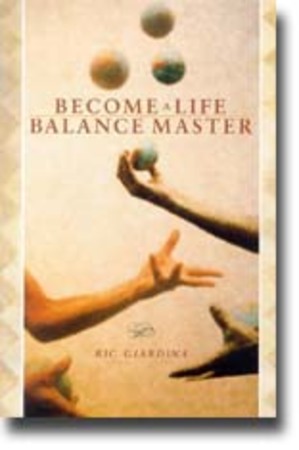
Finding equilibrium in a world that constantly demands more of us has become one of the most pressing challenges of modern life. Between career ambitions, family responsibilities, personal health, relationships, and the desire for spiritual fulfillment, many people feel stretched impossibly thin, lurching from one obligation to the next without ever experiencing genuine contentment or peace. The promise of "having it all" has morphed into an exhausting mandate to "do it all," leaving countless individuals burned out, disconnected, and questioning whether true balance is even possible.
This comprehensive guide offers a revolutionary approach to reclaiming harmony across all life domains. Rather than presenting balance as an idealistic destination that requires perfecting every area simultaneously, readers discover a practical framework for understanding balance as a dynamic, ongoing practice of making conscious choices aligned with deeply held values and priorities. The methodology presented challenges the notion that balance means giving equal time and energy to everything, instead introducing readers to the concept of integration—bringing together different life aspects in ways that feel authentic and sustainable.
At the heart of this transformative work lies a structured assessment process that helps readers honestly evaluate where they currently stand across eight essential life dimensions: professional achievement, financial security, physical vitality, mental clarity, emotional well-being, relationship fulfillment, spiritual connection, and contribution to community. Through thoughtful self-examination exercises and reflective questions, readers gain clarity about which areas are thriving and which have been neglected, often revealing surprising insights about patterns and habits that have developed unconsciously over time.
Read more ▼
Kingdom, the Power, and the Glory
Tim Alberta

Laurence Dennis Marchant Packer
The scalpel and the silver bear
Lori Arviso Alvord, Lori Alvord, Elizabeth Cohen Van Pelt
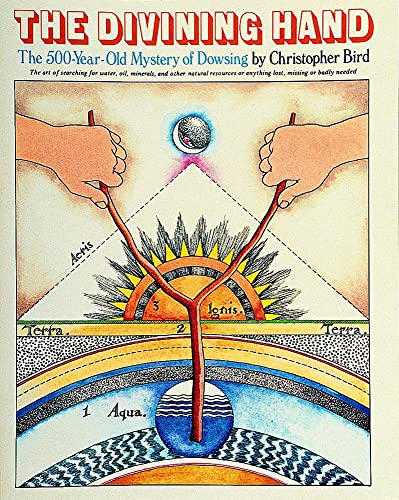
Bird, Christopher
The quest for happiness often leads to frustration, as many fail to realize that the...

Reaching sixty can evoke complex emotions, blending relief with ongoing ambition. This...

The quest for life's purpose often leads to unsatisfactory answers. This article...

Imagine going through one of the most physically and emotionally demanding experiences...

Romantic love is a complex emotion shaped by historical, cultural, and biological...

Daily actions often conflict with personal beliefs due to past experiences. By utilizing...

Have you ever argued over something that wasn't actually said? From cultural differences...

Therapists often use dream interpretation to delve into patients' emotions, but true...