
Happiness & Success
Achieving Happiness Through Acceptance of Life
The quest for happiness often leads to frustration, as many fail to realize that the...








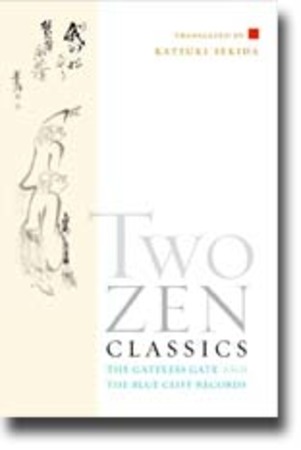
Zen Buddhism has profoundly influenced spiritual seekers worldwide, yet accessing its deepest teachings often proves challenging for Western readers. This remarkable volume bridges that gap by presenting two foundational texts of Zen literature alongside illuminating commentary that makes their wisdom accessible to contemporary practitioners. These classics have shaped Zen practice for centuries, offering a direct path to awakening that remains as relevant today as when first composed.
The first text presented is the Mumonkan, or "The Gateless Gate," a collection of forty-eight koans compiled in thirteenth-century China. These seemingly paradoxical puzzles are not intellectual riddles to be solved through logic, but spiritual challenges designed to shatter conventional thinking and catalyze direct realization. Each koan presents a brief encounter between master and student, a cryptic question, or an enigmatic statement that points beyond words to the nature of reality itself. Through persistent engagement with these koans, practitioners learn to transcend dualistic thinking and experience the immediate presence of awakened mind.
The second classic is the Hekiganroku, known as "The Blue Cliff Record," a more extensive collection that represents the pinnacle of koan literature. Dating from the same period, this work includes one hundred cases, each accompanied by multiple layers of commentary, verses, and additional insights. The richness of this text reveals how generations of masters have used these teaching stories to guide students toward enlightenment, adding their own perspectives while preserving the original transmission of wisdom.
Read more ▼
The Practice of Tibetan Meditation
Dagsay Tulku Rinpoche

Jonas Atlas
Gentle Art of Spiritual Discernment
Pierre Pradervand, Jonathan Ellerby
A layman's guide to New Age & spiritual terms
Elaine Murray
The quest for happiness often leads to frustration, as many fail to realize that the...

Reaching sixty can evoke complex emotions, blending relief with ongoing ambition. This...

The quest for life's purpose often leads to unsatisfactory answers. This article...

Romantic love is a complex emotion shaped by historical, cultural, and biological...

Imagine going through one of the most physically and emotionally demanding experiences...

Daily actions often conflict with personal beliefs due to past experiences. By utilizing...

Have you ever argued over something that wasn't actually said? From cultural differences...

Therapists often use dream interpretation to delve into patients' emotions, but true...