
Happiness & Success
Achieving Happiness Through Acceptance of Life
The quest for happiness often leads to frustration, as many fail to realize that the...








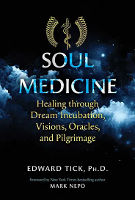
Ancient healing wisdom meets contemporary psychological understanding in a groundbreaking exploration of how trauma wounds the soul and how we can restore wholeness through indigenous practices, spiritual traditions, and community-based healing. Drawing on decades of clinical work with combat veterans, survivors of violence, and those carrying deep psychological wounds, this work presents a revolutionary framework that moves beyond conventional medical and psychiatric approaches to address the spiritual dimensions of suffering.
The foundation of this transformative approach rests on recognizing that trauma is not merely a psychological or physiological condition but a wound to the very essence of who we are. When we experience overwhelming events, whether in war, through violence, or during profound loss, something fundamental shifts within us. Our connection to meaning, purpose, community, and the sacred becomes fractured. Standard treatments that focus solely on symptom reduction often fail because they don't address this deeper spiritual injury that leaves people feeling disconnected from themselves, others, and life itself.
Readers will discover how indigenous cultures throughout history have understood this essential truth. These societies developed sophisticated healing practices that engaged the whole person within the context of community and cosmos. Through detailed examination of Native American, African, Asian, and other traditional healing ceremonies, the work demonstrates how ritual, storytelling, connection to nature, and community witnessing serve as powerful medicines for the wounded soul. These aren't primitive superstitions but sophisticated technologies of transformation that Western culture has largely forgotten.
Read more ▼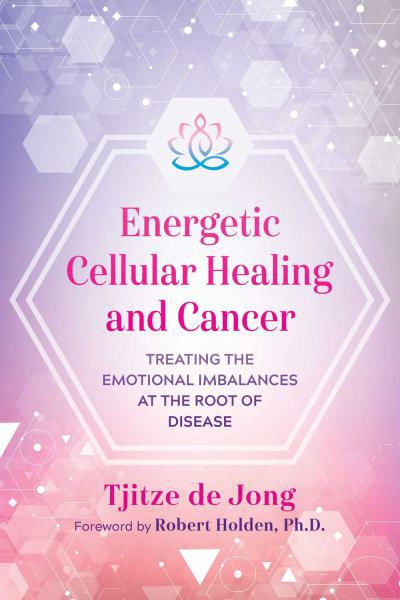
Energetic Cellular Healing and Cancer
Tjitze de Jong, Robert Holden

Amy B. Trachter
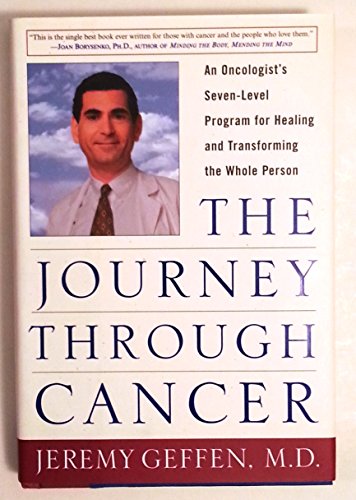
Jeremy R. Geffen
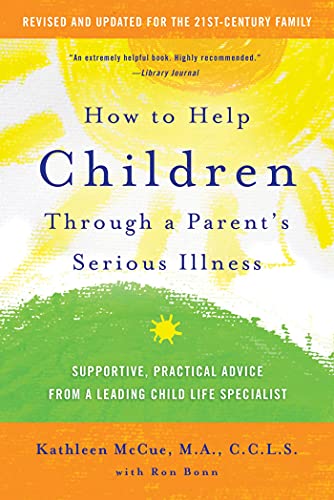
How to help children through a parent's serious illness
Kathleen McCue
The quest for happiness often leads to frustration, as many fail to realize that the...

Reaching sixty can evoke complex emotions, blending relief with ongoing ambition. This...

The quest for life's purpose often leads to unsatisfactory answers. This article...

Romantic love is a complex emotion shaped by historical, cultural, and biological...

Imagine going through one of the most physically and emotionally demanding experiences...

Daily actions often conflict with personal beliefs due to past experiences. By utilizing...

Have you ever argued over something that wasn't actually said? From cultural differences...

Therapists often use dream interpretation to delve into patients' emotions, but true...