
Happiness & Success
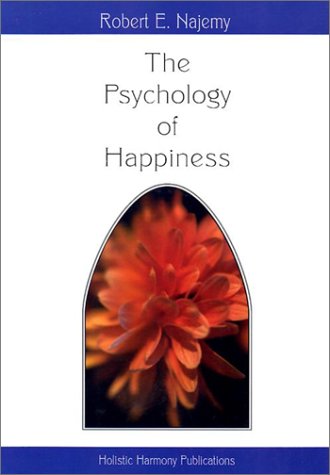
Achieving Happiness Through Acceptance of Life
The quest for happiness often leads to frustration, as many fail to realize that the...








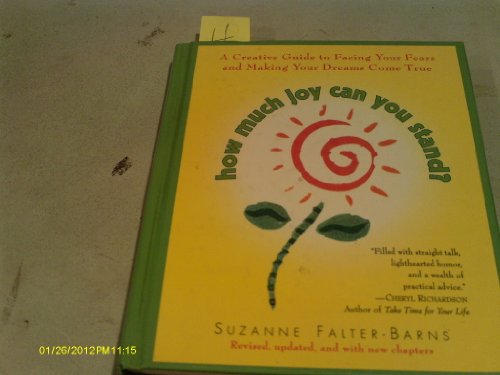
What if the real problem isn't that you're not successful enough, but that you've been unconsciously limiting how much success and happiness you allow yourself to experience? This groundbreaking guide challenges one of the most persistent yet rarely acknowledged barriers to fulfillment: our own discomfort with receiving too much goodness in our lives.
At the heart of this transformative work lies a deceptively simple question that stops most people in their tracks. When asked how much joy, success, love, or abundance they can tolerate before becoming anxious or self-sabotaging, readers often discover they've placed invisible ceilings on their own happiness. These self-imposed limitations operate below conscious awareness, quietly steering us away from opportunities and experiences that could bring profound satisfaction.
The exploration begins with an examination of the cultural and psychological conditioning that teaches us to be suspicious of good fortune. From childhood messages about not getting too excited to adult fears of "tempting fate," we inherit beliefs that happiness is temporary, undeserved, or dangerous. The result is a widespread phenomenon where people unconsciously create crises, pick fights, or manufacture problems precisely when life is going well. This pattern of snatching defeat from the jaws of victory becomes so habitual that most don't recognize they're doing it.
Read more ▼
Raising your sexual self-esteem
Beverly Engel
The Art of Happiness in a Troubled World
His Holiness Tenzin Gyatso the XIV Dalai Lama, Howard C. Cutler
Charles Duhigg
Robert Elias Najemy
The quest for happiness often leads to frustration, as many fail to realize that the...

Reaching sixty can evoke complex emotions, blending relief with ongoing ambition. This...

The quest for life's purpose often leads to unsatisfactory answers. This article...

Romantic love is a complex emotion shaped by historical, cultural, and biological...

Imagine going through one of the most physically and emotionally demanding experiences...

Daily actions often conflict with personal beliefs due to past experiences. By utilizing...

Have you ever argued over something that wasn't actually said? From cultural differences...

Therapists often use dream interpretation to delve into patients' emotions, but true...