
Happiness & Success
Achieving Happiness Through Acceptance of Life
The quest for happiness often leads to frustration, as many fail to realize that the...








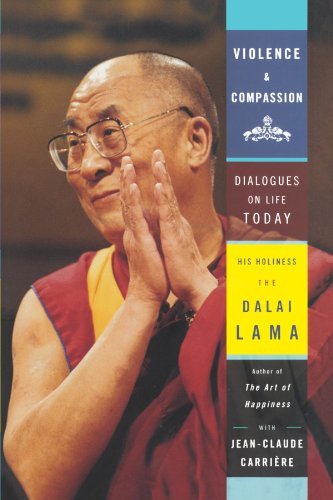
At the heart of human existence lies a fundamental paradox: our capacity for both tremendous violence and profound compassion. This dialogue between one of the world's most revered spiritual leaders and a French physician and philosopher explores how these seemingly contradictory forces shape our relationships, our societies, and our individual paths toward enlightenment and peace.
Through intimate conversations conducted over several years, readers gain access to wisdom that bridges ancient Buddhist philosophy with contemporary challenges. The discussion reveals how violence manifests not only in obvious physical forms but in subtle ways within our closest relationships—through harsh words, dismissive attitudes, emotional manipulation, and the countless small cruelties we inflict upon those we claim to love. Equally important, the text illuminates how genuine compassion begins not as an abstract ideal but as a practical daily choice in how we engage with partners, family members, friends, and even strangers.
What makes this exploration particularly valuable for those seeking to transform their relationships is the emphasis on self-examination as the foundation for change. Readers discover that authentic compassion cannot be forced or faked; it must arise from deep understanding of our interconnectedness and recognition of suffering as a universal human experience. The conversations delve into how our own unresolved pain, fear, and anger create barriers to love, and how addressing these internal obstacles becomes essential work for anyone committed to building healthier, more authentic connections with others.
Read more ▼
Friedrich Nietzsche
Gerald G. Jampolsky
Riki Robbins Jones
Getting to the other side of grief
Susan J. Zonnebelt-Smeenge
The quest for happiness often leads to frustration, as many fail to realize that the...

Reaching sixty can evoke complex emotions, blending relief with ongoing ambition. This...

The quest for life's purpose often leads to unsatisfactory answers. This article...

Romantic love is a complex emotion shaped by historical, cultural, and biological...

Imagine going through one of the most physically and emotionally demanding experiences...

Daily actions often conflict with personal beliefs due to past experiences. By utilizing...

Have you ever argued over something that wasn't actually said? From cultural differences...

Therapists often use dream interpretation to delve into patients' emotions, but true...