
Happiness & Success
Achieving Happiness Through Acceptance of Life
The quest for happiness often leads to frustration, as many fail to realize that the...








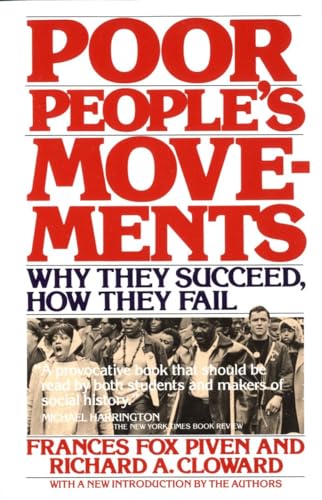
Understanding how ordinary people create extraordinary change stands as one of the most empowering revelations available to those seeking to make a difference in their world. This groundbreaking work examines the real dynamics of social movements throughout American history, revealing uncomfortable truths about how the powerless have actually gained power, rather than how we imagine or wish they had done so.
At its core, this analysis challenges nearly everything mainstream thinking tells us about effective activism and social change. Through meticulous examination of four major social movements in twentieth-century America—the labor movements of the 1930s, the civil rights movement, the welfare rights movement, and the movement of unemployed workers during the Great Depression—a radical pattern emerges. The moments when poor and marginalized people gained real concessions from those in power were not the moments of best organization, most sophisticated leadership, or greatest unity. Instead, transformative change occurred during periods of disruption, unrest, and defiance that broke the normal rules of political engagement.
This insight carries profound implications for anyone interested in personal empowerment and social consciousness. We live in a culture that constantly emphasizes proper channels, institutional participation, and working within the system. We're taught that real change comes through education, organization, voting, and patient negotiation. Yet the historical record tells a different story. Real gains for disempowered people have consistently come through moments when they refused to cooperate with the systems oppressing them, when they made institutions ungovernable, and when they created crises that elites felt compelled to address.
Read more ▼
Nicholas A. Christakis

Rick Fields

Herman Melville

Neale Donald Walsch
The quest for happiness often leads to frustration, as many fail to realize that the...

Reaching sixty can evoke complex emotions, blending relief with ongoing ambition. This...

The quest for life's purpose often leads to unsatisfactory answers. This article...

Romantic love is a complex emotion shaped by historical, cultural, and biological...

Imagine going through one of the most physically and emotionally demanding experiences...

Daily actions often conflict with personal beliefs due to past experiences. By utilizing...

Have you ever argued over something that wasn't actually said? From cultural differences...

Therapists often use dream interpretation to delve into patients' emotions, but true...