
Happiness & Success
Achieving Happiness Through Acceptance of Life
The quest for happiness often leads to frustration, as many fail to realize that the...









High in the Peruvian Andes, at 21,000 feet, survival becomes stripped down to its most elemental form. What emerges from one of mountaineering's most harrowing true survival stories is not just a tale of physical endurance, but a profound meditation on the human spirit's capacity to transcend seemingly impossible circumstances. This account takes readers through an experience that redefines what it means to face death, make impossible choices, and discover reservoirs of strength we never knew existed within ourselves.
The narrative unfolds in 1985, when two young climbers successfully summit Siula Grande, a previously unconquered peak in the Peruvian Andes. Their triumph, however, becomes merely the prelude to an ordeal that would test every dimension of human resilience. During the descent, a catastrophic fall results in a severely broken leg, transforming what should have been a celebration into a desperate fight for survival. What follows is a masterclass in perseverance, decision-making under unimaginable pressure, and the psychological warfare that unfolds when faced with certain death.
The power of this true story lies in its unflinching examination of extreme choices. When one climber must make a decision that violates every code of mountain ethics yet offers the only chance for his own survival, readers are thrust into an ethical dilemma with no clear answers. This moment crystallizes one of life's hardest truths: sometimes there are no good options, only impossible choices that must nevertheless be made. The exploration of guilt, survival instinct, and moral ambiguity offers profound insights for anyone grappling with difficult decisions in their own life, regardless of how mundane they might seem in comparison.
Read more ▼
Carolyn L. Baker

Lawrence Lessig

Susan Sosbe
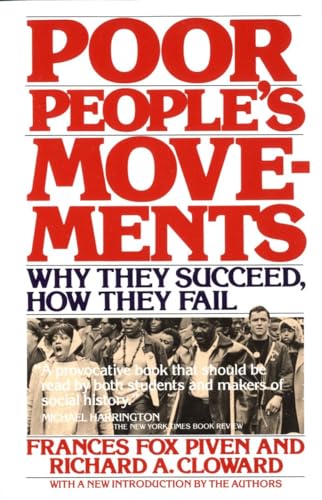
Frances Fox Piven
The quest for happiness often leads to frustration, as many fail to realize that the...

Reaching sixty can evoke complex emotions, blending relief with ongoing ambition. This...

The quest for life's purpose often leads to unsatisfactory answers. This article...

Imagine going through one of the most physically and emotionally demanding experiences...

Romantic love is a complex emotion shaped by historical, cultural, and biological...

Daily actions often conflict with personal beliefs due to past experiences. By utilizing...

Have you ever argued over something that wasn't actually said? From cultural differences...

Therapists often use dream interpretation to delve into patients' emotions, but true...