
Happiness & Success
Achieving Happiness Through Acceptance of Life
The quest for happiness often leads to frustration, as many fail to realize that the...








 As the weekend approaches, people are opening wine bottles in bars and restaurants and homes around the world, ready to kick back and relax.
 New research clarifies the mechanisms by which caloric restriction rapidly reverses type 2 diabetes. One in three Americans will develop type 2 diabetes by 2050, according to recent projections by the Center for Disease Control and Prevention. Reports indicate that the disease goes into remission in many patients who...
 A high-fat, or ketogenic, diet not only increases longevity, but also improves physical strength, according to new research with mice. Ketogenic diets have gained popularity for a variety of health benefit claims...
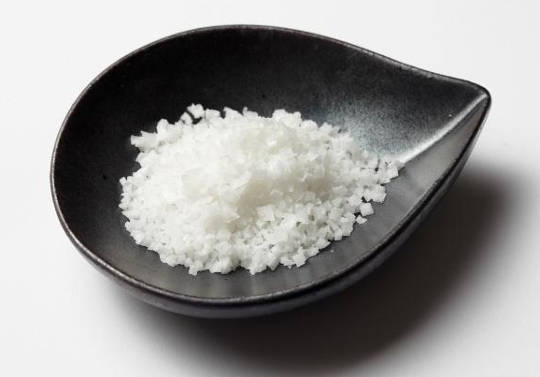 A look at menu items from 66 of the top 100 chain restaurants shows that while restaurants are offering lower-sodium options, food—particularly in main course items—is still high.
 Researchers have discovered brain cells that control our appetite. This major discovery opens up new possibilities for creating more effective diets—and even future treatments to suppress one’s appetite by directly activating the brain’s tanycytes, bypassing food and the digestive system.
 Humans began domesticating animals for food over 10,000 years ago, cultivating a close relationship with animals over the following millennia.
 It’s fair to say that frozen food has a bit of an image problem. One in three Britons believe it is inferior to fresh food, and 43% say that nothing could persuade them to buy more frozen fare.
 Some people on very low-carb diets say they feel euphoric, have clear minds and lose their appetite.
 Eating late at night could be worse for your health than you might think.
 Fasting has been used for centuries as both a remedy and a booster in all areas of health: physical, mental, and emotional. In the 21st century, fasting is often looked down upon. It is left out of anti-obesity initiatives because doctors don’t view it as a safe remedy for weight loss...
 Vitamin P—pleasure—is a vital element that makes our meals nutritionally complete and makes life worth living. Like all organisms on the planet, we humans are genetically programmed to seek pleasure and avoid pain. A cat chasing a mouse is seeking pleasure; the unfortunate rodent is doing its best to avoid pain.
 People post millions of food photos on Instagram every day. New research suggests this could be a way to track food intake for weight loss or fitness.
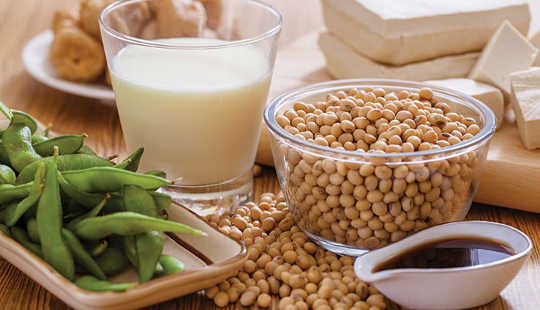 Eating a diet that includes foods containing soy protein may work to alleviate some symptoms of inflammatory bowl diseases, a new study with mice suggests.
 This is the greatest favor I can do for you as a nutritionist: A diet program that doesn’t tell you exactly which foods to eat and in what amounts. Empowering you to be in deeper relationship with food and with the genius in your body is the surest road to your most powerful metabolism.
 Wherever you are right now, the good news is that you can begin any time, at any stage in your life, and in any situation or circumstance. You are reading this because somewhere inside of you, you want to be free...
 One out of every 2,000 people suffers from long QT syndrome, which can lead to heart failure. For these people, too much sugar may be dangerous, research shows.
 Mercury concentrations in Hawaiian-caught bigeye and yellowfin tuna are steadily rising and mirror increases in North Pacific waters that have been linked to atmospheric mercury emissions from Asia.
 Food advertising strongly influences the eating choices of adults, adolescents and children alike. But TV and magazine adverts often carry misleading health and nutrition claims.
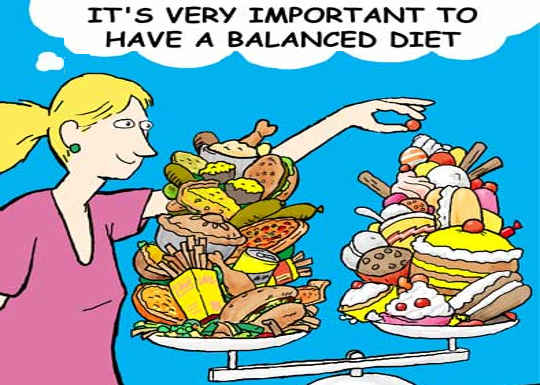 I was recently asked: If my eating habits are half good and half bad, does that make my overall diet balanced?
 Around 2006, Cherokee leaders approached administrative liaison Pat Gwin about starting a seed bank. They already had launched an initiative to improve health care access and infrastructure at the reservation; now, they wanted to go even deeper by recovering ancestral seeds to preserve their cultural heritage.
 In an industry usually focused on medicine and procedures, a Philadelphia-area hospital decided what its patients needed was a farm and advice about food.
The quest for happiness often leads to frustration, as many fail to realize that the...

Reaching sixty can evoke complex emotions, blending relief with ongoing ambition. This...

The quest for life's purpose often leads to unsatisfactory answers. This article...

Romantic love is a complex emotion shaped by historical, cultural, and biological...

Imagine going through one of the most physically and emotionally demanding experiences...

Have you ever argued over something that wasn't actually said? From cultural differences...

Daily actions often conflict with personal beliefs due to past experiences. By utilizing...

Therapists often use dream interpretation to delve into patients' emotions, but true...