
Happiness & Success
Achieving Happiness Through Acceptance of Life
The quest for happiness often leads to frustration, as many fail to realize that the...








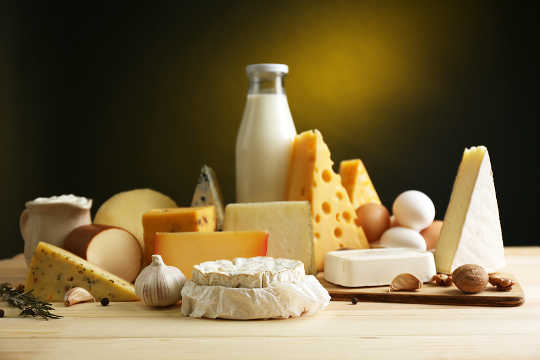
The debate over the necessity of dairy in human diets continues, influenced by genetic adaptations and cultural practices. While many populations thrive on dairy, others face lactose intolerance. Recent studies challenge the traditional view of calcium's role in bone health, suggesting that while dairy is not essential for adults, it offers important nutrients that may be harder to obtain from other sources.
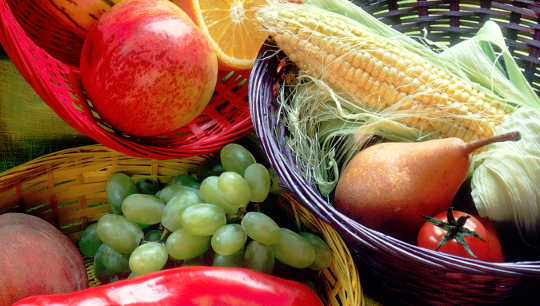 The idea that healthy foods are universally more expensive can lead consumers to make choices that aren’t always necessary, a new study suggests.
 Eating a very high-fat diet early in life may disrupt development of the prefrontal cortex in young brains, according to new research in mice.
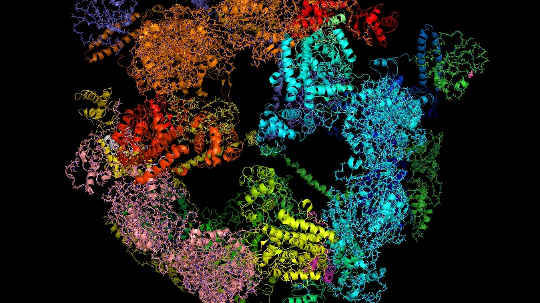 Inflammation is one of the main reasons why people with diabetes experience heart attacks, strokes, kidney problems, and other, related complications. Now a surprise finding identifies a possible trigger of chronic inflammation.
 In a small weight-loss study, women on a high-protein diet did lose weight but didn’t see improvements in insulin sensitivity, which can help lower diabetes risk.
 Researchers find no link between how hungry we feel and the number of calories we consume.
 Eating processed meat can increase your risk of getting colorectal cancer. The World Health Organisation’s International Agency for Research on Cancer (IARC) says that each 50g portion of processed meat eaten daily (about two bacon rashers) increases bowel cancer risk by 18%.
 It is a hotly debated, highly researched subject: which fats are good for us and which aren’t?
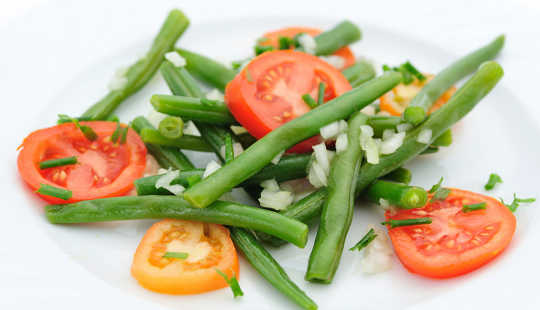 We all know the score: current trends predict there will be 9.7 billion mouths to feed by 2050. Producing enough food without using more land, exacerbating climate change or putting more pressure on water, soil and energy reserves will be challenging.

Commonly touted as “good cholesterol” for helping reduce risk of stroke and heart attack, both high and low levels of high-density lipoprotein (HDL) cholesterol may increase a risk of premature death, a new study suggests.
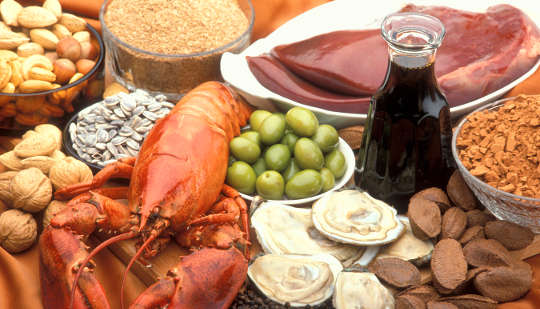 Food, nutrition and human health institutes around the world have been fighting to reduce the risks associated with consuming detrimental fatty acids that are linked to cardiovascular diseases.
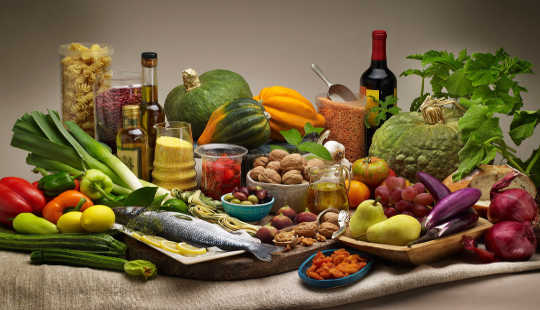 In a study of over 25,000 adults with detailed information about their eating habits, people with a greater diversity of foods in their diet showed a 30% lower risk of developing type 2 diabetes over a ten-year period.
 A study of 12,000 people found that those who started eating more fruits and vegetables felt much happier.
 When thinking about our health, most of us will only consider our weight and fitness level, but our lives are made up of so much more. When you understand what is actually going on in your life, you may develop clues as to why you eat and live the way you do.
 Drinking cherry concentrate can lower systolic blood pressure for up to three hours, our latest study found. If tart Montmorency cherry concentrate was a drug, it would probably get FDA approval.
 Historically called the disease of kings, gout was common among wealthy gents who could afford to eat and drink to excess. These days it doesn’t just affect the rich: rates of gout have been increasing globally since the 1960s. It now affects around 70,000 Australians a year and is more common in men aged over 70.
 People who ate 100 grams of chocolate a day—basically one bar—had reduced insulin resistance and improved liver enzymes. Insulin sensitivity is a well-established risk factor to cardiovascular disease.
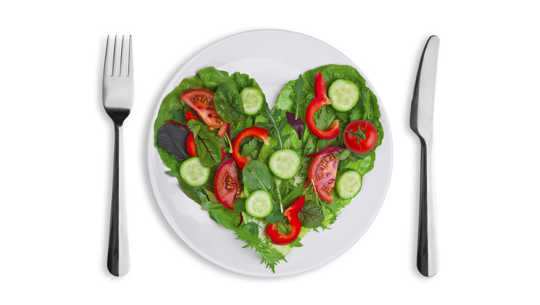 In case you’ve forgotten the section on the food web from high school biology, here’s a quick refresher. Plants make up the base of every food chain of the food web (also called the food cycle).
 Can Long Lost Data Put Heart Healthy Oils To Rest?Randomized controlled trials—considered the gold standard for medical research—have never shown that linoleic acid-based dietary interventions reduce the risk of heart attacks or deaths.
 Our study is the first to connect an insertion allele with vegetarian diets, and the deletion allele with a marine diet,. A genetic variation has evolved in populations that have eaten a plant-based diet over hundreds of generations, such as in India, Africa, and parts of East Asia.
 So much for the decades in which fats and oils were public enemy number one on our dinner plates. There is more and more evidence that sugar – or more precisely, carbohydrate – is behind our increasing rates of obesity and heart disease.
The quest for happiness often leads to frustration, as many fail to realize that the...

Reaching sixty can evoke complex emotions, blending relief with ongoing ambition. This...

The quest for life's purpose often leads to unsatisfactory answers. This article...

Romantic love is a complex emotion shaped by historical, cultural, and biological...

Imagine going through one of the most physically and emotionally demanding experiences...

Have you ever argued over something that wasn't actually said? From cultural differences...

Daily actions often conflict with personal beliefs due to past experiences. By utilizing...

Therapists often use dream interpretation to delve into patients' emotions, but true...