Shifting Perspectives for Inner Healing
Many individuals struggle to open their minds to new perspectives due to the value they place on their old ways of seeing. By examining these attachments, such as a fear of...

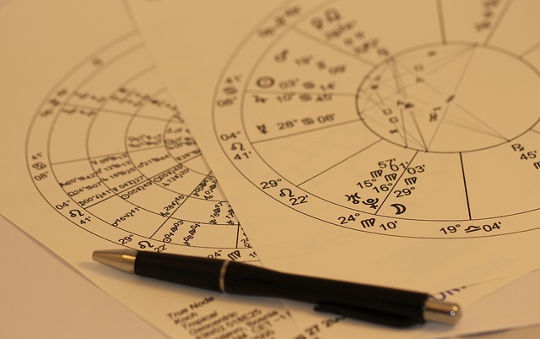
All the ancient calendars and prophecies of diverse ancient traditions are pointing to these days as the time of a great awakening and a time of a great shift. Humanity is being challenged to make a choice: the choice between the path of love, community, and peace, over the path of...
Having joyful things to think about is helpful. We all know, though, that we have many times where tears are helpful, too. Tears can release feelings, can be eye lubricants, and can sometimes remove stress or improve moods. They do not erase the reason we are sad, but they clear the path to remember our joy - our love.

After many years of coaching and leading seminars, I have discovered two areas that most people ask about most frequently: prosperity and relationships. Most people are looking for their love mate, or, if they have one, are seeking a better connection.

Most people have an aspect of their personality they’d like to change, but it may be difficult to do so without help, according to a new study.

Our need for love and compassion stems from our desire to be connected with others, to feel good about ourselves, and to receive and give appreciation. We all want to feel valued, understood, and respected—to be heard, seen, and believed.

In these extreme circumstances, a bit of depression about the environment could be precisely what we need – it’s the only sane response.

It’s a tragic fact of life that most of us will experience the loss of a loved one. Approximately 50 to 55 million people die worldwide each year, and it is estimated that each death leaves an average of five bereaved individuals.

Life is a prayer in the sense that it is a continuous request to the universe. God understands our desires not just through the occasional utterances that we call "prayers" in the traditional sense, but through every thought we think, every word we speak, and everything we do.

How can one be afraid of the past when it has already happened? Yet when one looks closely at the fears we have for the future, we see they are often repetitions of old fears, or of things that have happened to us or to others in the past. What is it you fear? Look back at your past and see...

‘Be happy!’ Mary Wollstonecraft exhorted her estranged lover and tormentor, Gilbert Imlay, in late 1795. What did she mean?

A long, long time ago, when human beings were not so fixed in their physical bodies as they are today, there lived a man (or was it a woman?) who made for himself a marvelous mask -- a mask that could pull many faces.

“Cancel culture” has become so pervasive that even former President Barack Obama has weighed in on the phenomenon, describing it as an overly judgmental approach to activism that does little to bring about change.

Faking positive emotions for coworkers can do more harm than good, researchers say. Making an effort to actually feel them, however, can produce personal and professional benefits.

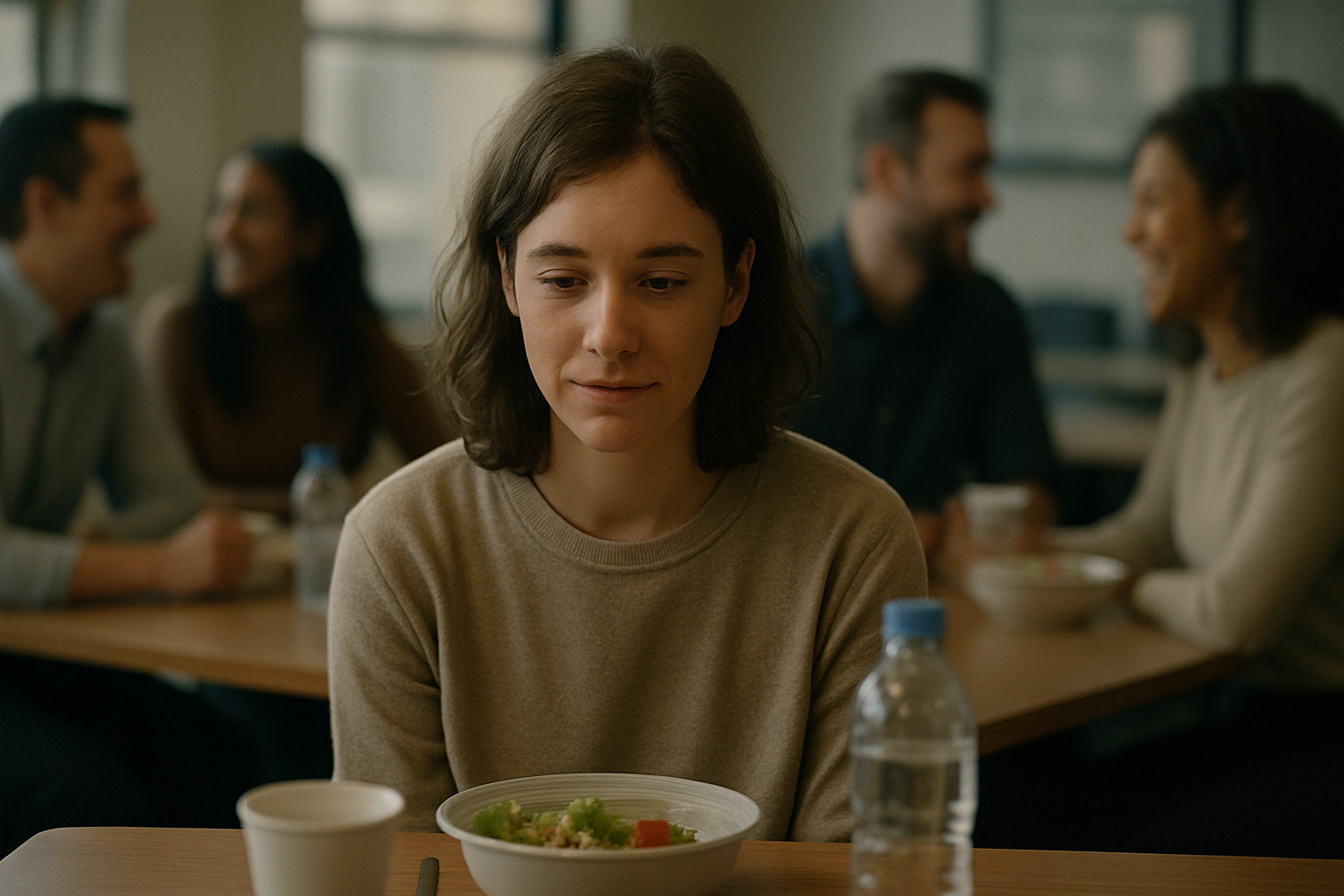
Americans are deeply ambivalent about the solitary person in our midst. On the one hand, the lone hero is much admired in national folklore. On the other side of our ambivalence is the belief that to be alone, even temporarily, is to have been abandoned and to be sunk in a black misery of loneliness.

As you begin to cultivate the art of extraordinary happiness, you begin to discover joy. Joy to me is a feeling that comes from within, whereas happiness, in its ordinary sense, is usually triggered by something in the outside world.

Of course, we are each of us in charge of our own lives. But more to the point, gaps we identify at work, whatever our job, often relate to gaps we experience at home, in relationships, as parents, and so on. Gaps of pain and possibility exist in every realm, and sometimes, when we recognize a gap in one area, it can open up a flood of recognition that goes far beyond our original focus.

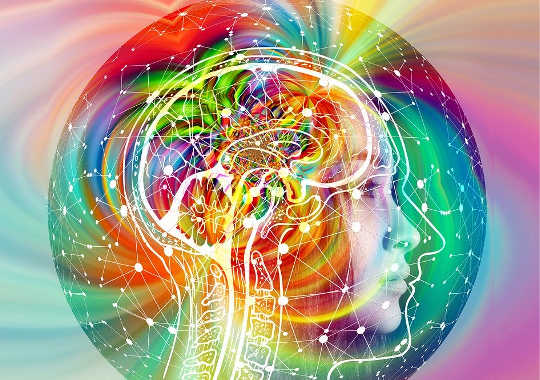
Neuroscientists have discovered how the brain learns physical tasks, even in the absence of real-world movement.

Everything we do in life is a relationship. We have a relationship with money, with our body, and with our car. We have a relationship with everything! Relationships are difficult and challenging spiritual practices. They give us the opportunity to test our skills of communication, intimacy, authenticity, and integrity.

Consulting and following our intuition is the easy way to experience joy, love, and peace in our lives. Our intuition, or inner knowing, makes a dynamic duo with our rational mind, our outer knowing or thinking. Used together, our heart and mind constitute an unstoppable team.

Today, I'm introducing another new term, a word I invented years ago that turns imagination into a verb: "imagifi." Usage: We can imagifi a situation by applying our imagination to it and asking, "What if..?"

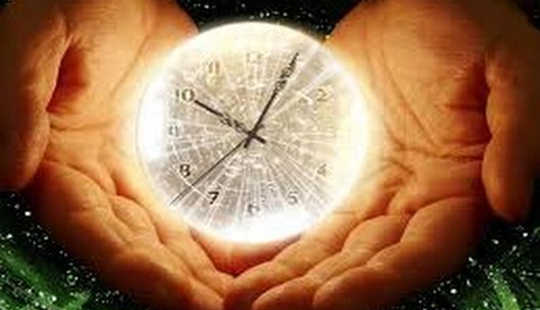
Researchers have developed a new simple blood test that can tell the time in your body—which might be very different from the time showing on the clock on the wall.