
Happiness & Success
Achieving Happiness Through Acceptance of Life
The quest for happiness often leads to frustration, as many fail to realize that the...









My name is Eloise and I am many things at once: I am a graduate student at the University of Oxford; I am a tutor, a rower, a feminist, a granddaughter, a daughter, a sister, a stepsister, a friend. I am also autistic.

If you think you just don’t have the brain for certain skills, you’re deceiving yourself, a new book argues. This belief undermines your ability to learn—whether it’s math, basketball, or playing the clarinet.
Everyone experiences down days at times. Feeling flat is a normal reaction to something upsetting happening, tiredness or just being stuck in a rut.

When driving themselves is no longer an option, older adults may feel the short- and long-term effects of isolation, a new study shows.
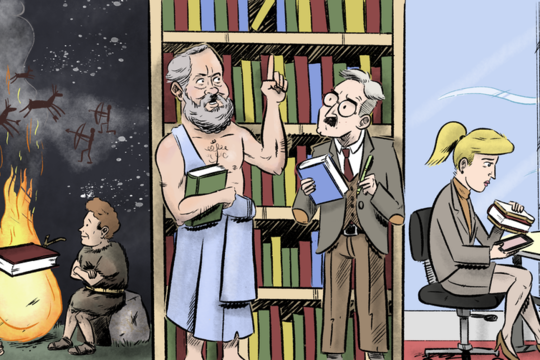
For much of human history, education has served an important purpose, ensuring we have the tools to survive. People need jobs to eat and to have jobs, they need to learn how to work.

There has always been an interest in how the name of a thing affects our interpretation of it.

At the end of the day we’re all looking for magic. This includes the ability to affect change, sometimes miraculous change, in our lives at will. Energy wants to move and flow, and once you start to listen to it and tune in, it will take you on amazing journeys.
Hypersanity’ is not a common or accepted term. But neither did I make it up. I first came across the concept while training in psychiatry, in The Politics of Experience and the Bird of Paradise (1967) by R D Laing.
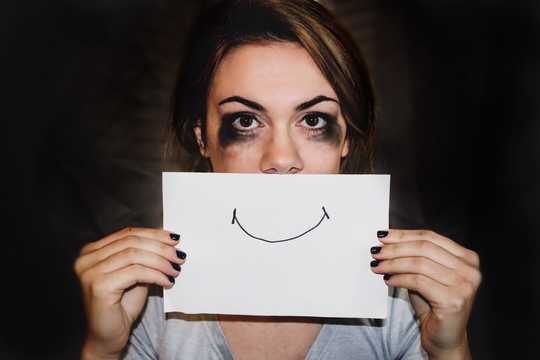
Dishonesty diminishes a person’s ability to read others’ emotions, or “interpersonal cognition,” according to new research.
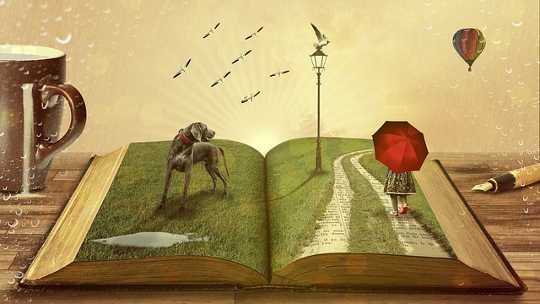
When we are in the throes of a “breaking open,” it can be hard to know where we are and what is happening. When the ground beneath our feet is shifting and everything around us seems to be changing, we may even feel like we no longer recognize the world around us. So a first step is to find some clarity about where we are now and “what wants to happen” next.
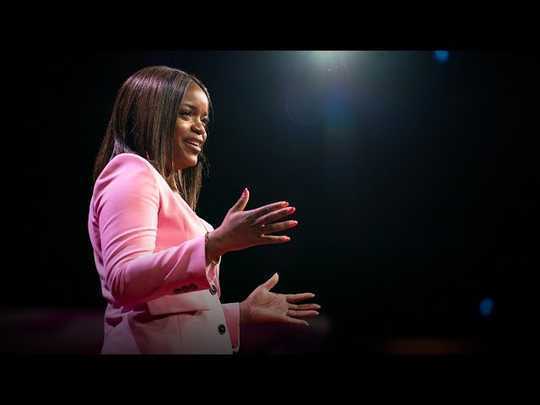
"Confidence is the necessary spark before everything that follows," says educator and activist Brittany Packnett. In an inspiring talk, she shares three ways to crack the code of confidence
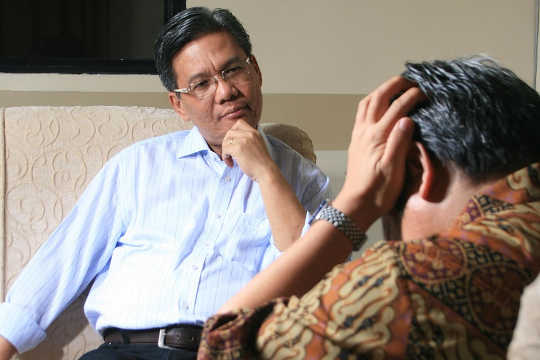
Unlike the Paleolithic woman, the 21st-century human has a higher brain designed for transcendence. Newer areas of her brain, when awakened, can fill her with gratitude and awe and wonder at this marvelous world. However, her new brain is rarely if ever awake because the unconscious lower brain that is trying to unconsciously protect her from falsely perceived danger in her world, is eating her alive!

People faced with more options than they can effectively consider want to make a good decision, but feel unable to do so, according to a new study.

Kakenya Ntaiya turned her dream of getting an education into a movement to empower vulnerable girls and bring an end to harmful traditional practices in Kenya. Meet two students at the Kakenya Center for Excellence, a school where girls can live and study safely...
 Peer approval is the best indicator of the tendency for new college students to drink or smoke, even if they don’t want to admit it, according to a new study.
 A question that often arises is "How do we know what is right for us?" How do we find our 'proper' place in life, whether we are talking about employment, living location, vacation spot, etc? It seems that whatever the question, the solution is always the same...
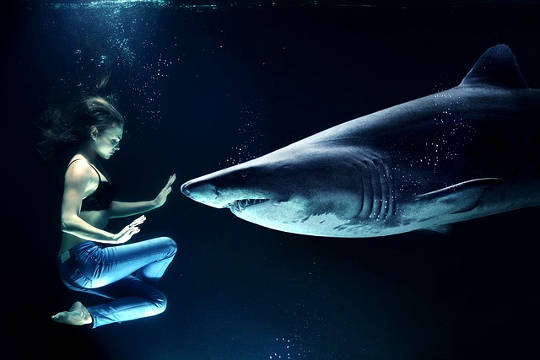 When we stand up and lovingly assert ourselves, we feel joy. We feel virtuous and good because we are following our inner wisdom. However, if we have unexpressed sadness this leads to us feeling small and unimportant, and consequently acting passive. When we feel reticent to speak up and act, it is a sign that we are compensating...
 People commented on our laughs and even suggested we record them. When people were around either one of us, they just had to laugh. We researched laughter, presented talks at health shows, went to humor workshops and conferences. We were inspired by Dr. Madan Kataria, who founded the laughter clubs in India.
 When I ask clients who face a difficult situation, “What’s the worst thing that could happen?” they usually have a well-prepared list of possible dark outcomes. When I ask, “What’s the best thing that could happen?” they usually take a while to think of an answer. They are so practiced in pessimism that optimism hasn’t crossed their mind.
 One hears a lot about nurturing... nurturing one's self, nurturing loved ones, children, etc. I have been advised many times in my life to pay more attention to myself, and to nurture myself. Not feeling too clear at one time about what that meant (since I had never learned how to nurture myself), I asked...
The quest for happiness often leads to frustration, as many fail to realize that the...

Reaching sixty can evoke complex emotions, blending relief with ongoing ambition. This...

The quest for life's purpose often leads to unsatisfactory answers. This article...

Romantic love is a complex emotion shaped by historical, cultural, and biological...

Imagine going through one of the most physically and emotionally demanding experiences...

Daily actions often conflict with personal beliefs due to past experiences. By utilizing...

Have you ever argued over something that wasn't actually said? From cultural differences...

Therapists often use dream interpretation to delve into patients' emotions, but true...