What It Cost You to Live Under Republicans
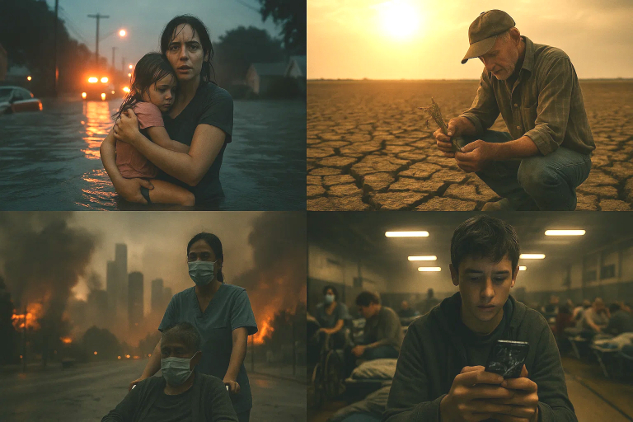
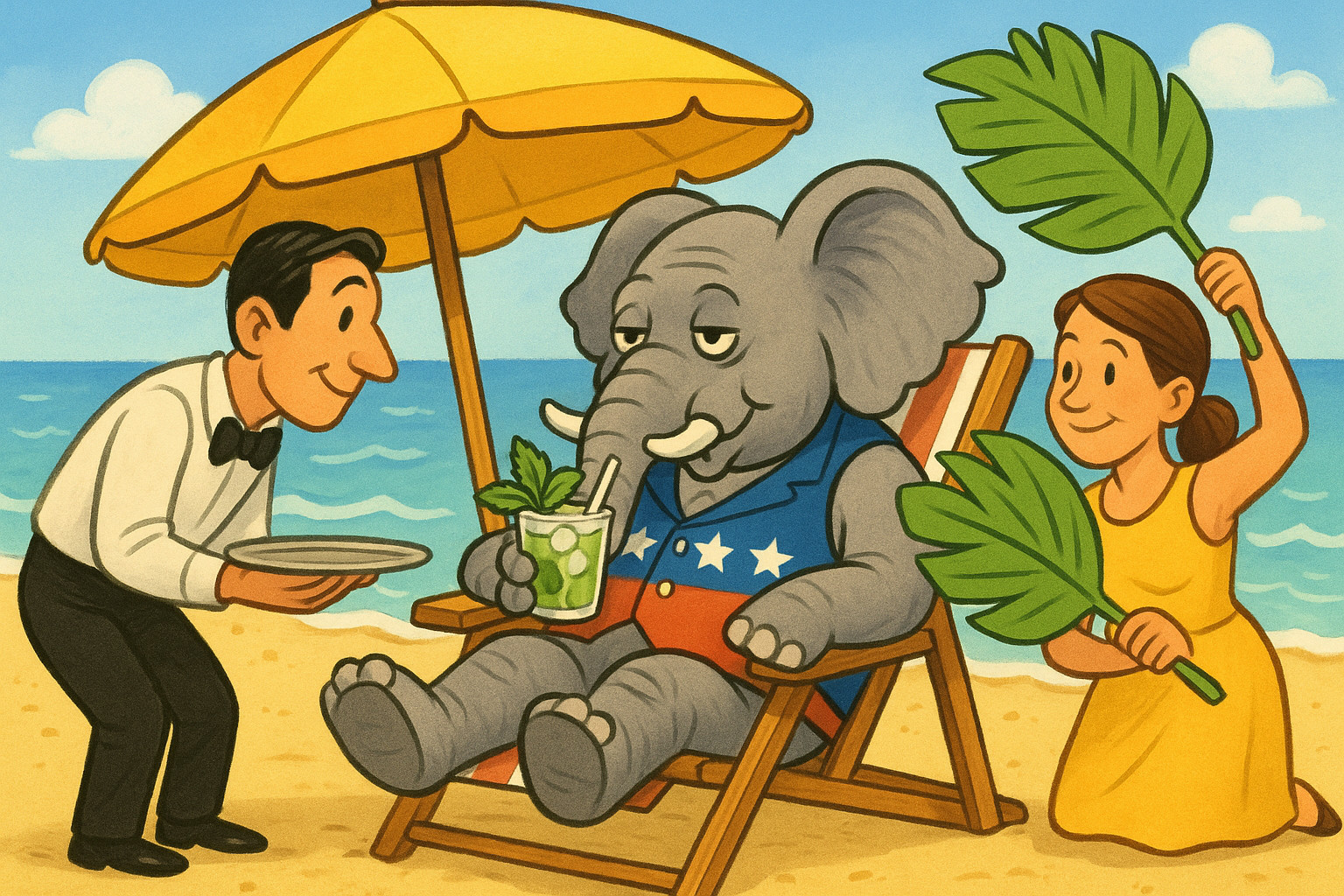
You were never handed this bill. That was the design. Spread across forty-six years and ten thousand ordinary transactions, no single charge ever looked like a policy, but added...

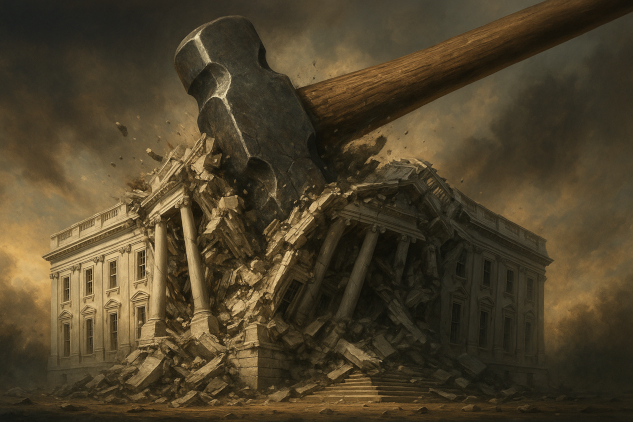
Trump's reign may be collapsing under its own weight. But what fills the vacuum—reform or ruin—could shape America's future for generations.

Antarctic summer sea ice is vanishing fast—threatening wildlife, warming oceans, and pushing our climate system to the brink. Here’s what scientists just uncovered.

RFK Jr gutted U.S. vaccine leadership, sparking global concern with Gavi defunding and revived debunked claims. Here’s what it means for you.

Imagine living in a city where you can see luxury condos from your window but can’t buy a head of lettuce within walking distance. That’s not a dystopian joke — it’s daily life in parts of New York. And while politicians bicker over slogans, communities are quietly building a better answer: ownership, cooperation, and capitalism that actually feeds people.

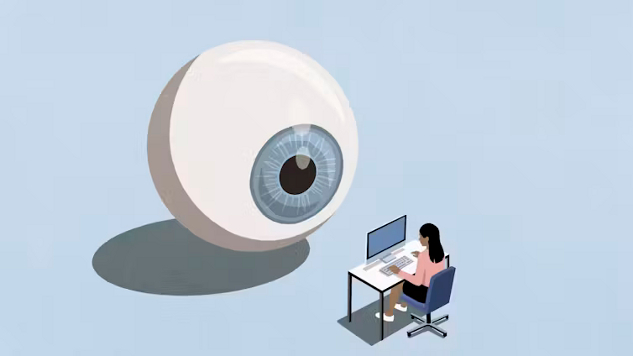
That free weather app may be forecasting more than rain—it's tracking your every move. Here's how your data is being used, sold, and surveilled.

When Trump threatened to end birthright citizenship, it wasn’t just a headline-grabber—it was a flare shot over the bow of a sinking ship. We’re not watching immigration policy evolve; we’re watching it unravel into a civilizational panic. And the panic isn’t new. It’s the same one that’s been weaponized time and time again to keep the powerless fighting among themselves while the powerful cash their checks, hire undocumented workers, and blame brown babies for the chaos. Sound familiar? It should. This is America’s oldest grift, repackaged for the golden age of racism.

Donald Trump called it the “Big Beautiful Bill.” But for 16 million Americans about to lose their healthcare, it’s more like the Big Beautiful Betrayal. This isn’t policy; it’s political pickpocketing—disguised in stars and stripes. And just like a cheap magic trick, the real pain doesn’t hit until after the election. Funny how that works, isn’t it?

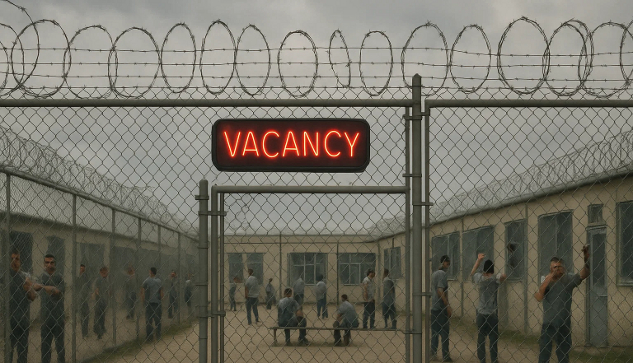
The Supreme Court ruling allowing Trump deportation to war-torn nations marks a dark chapter for human rights. This decision, devoid of legal reasoning, greenlights state-sponsored cruelty, sending vulnerable people into zones of chaos and violence. It’s not just a legal technicality—it’s complicity. We must face what this ruling says about our institutions and our moral compass before more lives are shattered.

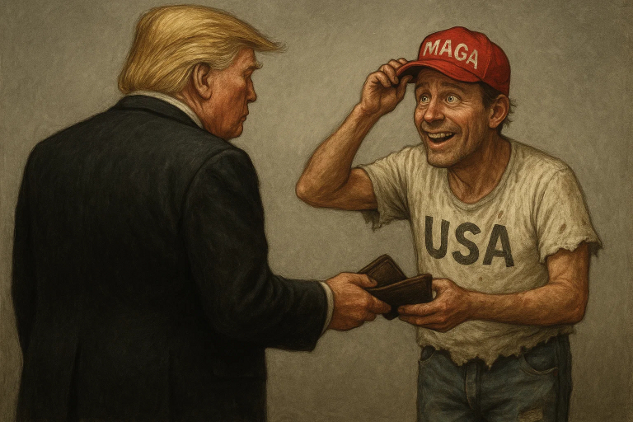
When a nation begins to trade its freedom for fear, history warns us that the bargain rarely ends well. The subtle surrender of liberty is not always forced—it is often volunteered. We’ve seen this movie before, yet here we are again, watching the credits roll in real time. The image of a citizen handing over their wallet to a smiling strongman captures more than irony—it captures a national tragedy in the making.

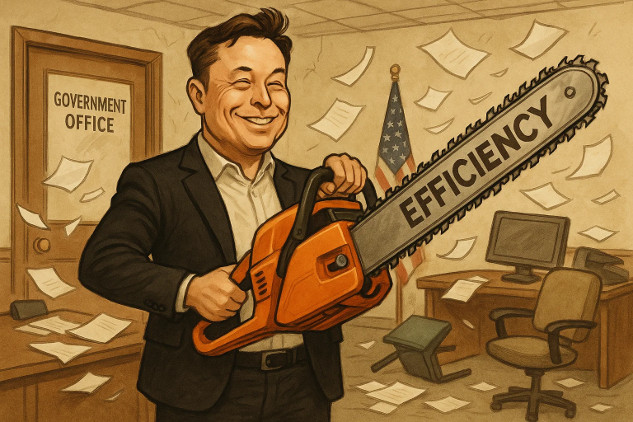
The Trump administration’s attempt to make the federal government leaner has turned into a costly lesson in what happens when ideology overrides competence. While politicians have spent decades railing about the supposed inefficiency of the U.S. government, the facts tell a different story. And now, with millions wasted on firing and then rehiring essential federal workers, it is clear who the real inefficiency peddlers are—and it is not the career public servants.

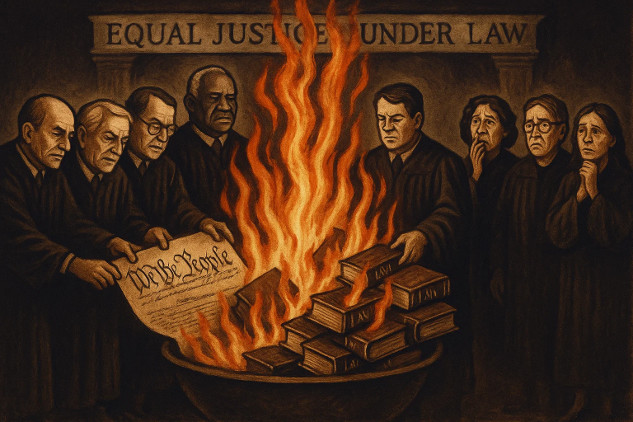
The Supreme Court just handed the Trump-aligned Department of Government Efficiency (DOGE) access to the Social Security Administration’s deepest data vaults—while shielding DOGE from public oversight. If that doesn’t convince you that today’s Supreme Court is a menace to American democracy, I’m not sure what will. It’s time to stop pretending this Court is a neutral umpire. The solution? Expand the Court. Dilute the reactionary 6-3 bloc before it locks us into an authoritarian future.

Earth’s seasons have always felt like the most reliable clockwork in nature—spring follows winter, summer blazes, fall cools, and the cycle renews. But what if this timeless rhythm is now out of sync? As climate change accelerates, we’re witnessing a disturbing transformation in the very structure of our planet’s seasons. The consequences are profound—and so are the choices we now face.

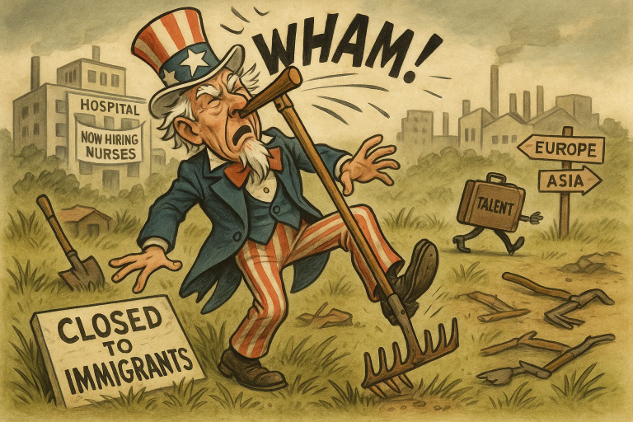
We’re careening toward an economic trainwreck, and the conductor just stepped on the gas. Canada and the United States are facing a full-blown skills shortage and workforce crisis, but instead of hitting the brakes, leaders like Donald Trump are throwing sand in the gears. Forget ideological debates for a minute—if we don’t fix the growing mismatch between education, skills, and job demand, no amount of flag-waving will save us from a productivity collapse that makes the Great Recession look like a hiccup.

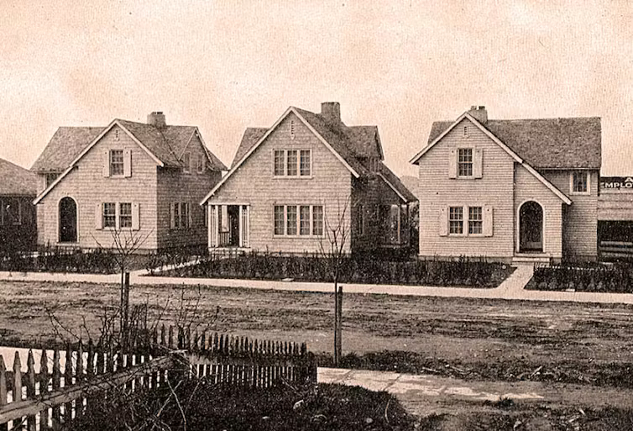
During WWI, the U.S. government built 80 public housing communities in just two years—homes with parks, schools, and sewer systems. This ambitious project, led by the U.S. Housing Corporation, housed nearly 100,000 people and set planning standards we still use today. It’s a forgotten legacy that proves bold government action can solve a housing crisis—even in wartime.

What if America’s climate future isn’t shaped by Washington, but by Sacramento, Albany, and Raleigh? As gridlock grips the federal government, a new study suggests that state-led climate policies might not just fill the gap—they could redefine how the U.S. cuts carbon emissions.

Collapse is rarely sudden. Civilizations fall slowly through environmental decline, systemic decay, and elite blindness. From the Maya to Rome, history offers chilling parallels to our own time. We’re the first to see collapse coming—and possibly the last with a chance to stop it.

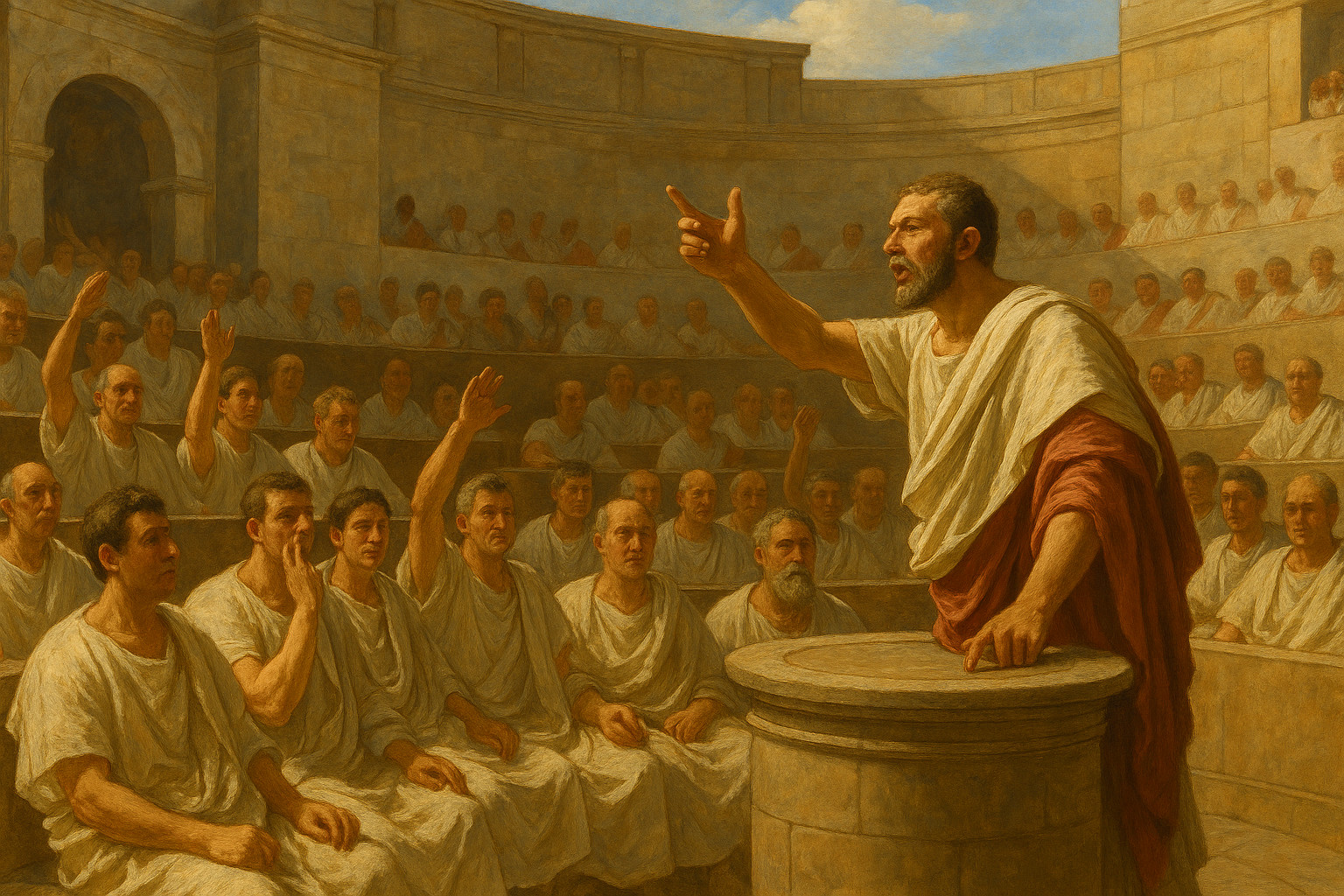
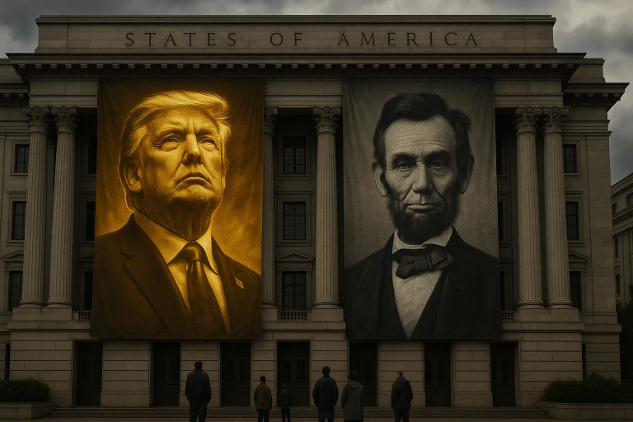
From giant portraits hanging in federal buildings to military parades timed to a birthday, the spectacle of power is making a comeback in American politics. It’s not just a branding move—it’s a warning sign. When leaders begin to mimic the visual language of dictators, it’s time to ask ourselves: are we still looking at democracy, or something far more fragile?

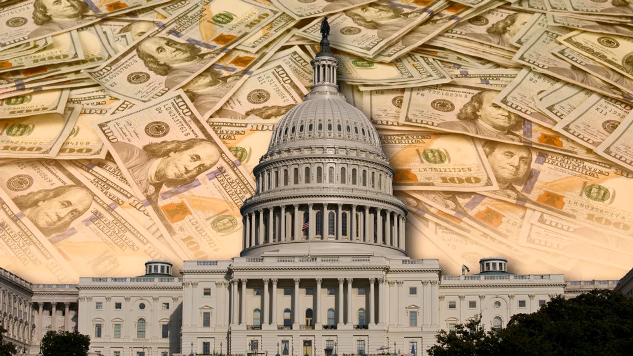
It didn’t start with Trump, but it might end with him. For over a century, American democracy has been slowly auctioned off—deal by deal, donor by donor—until the line between public service and personal profit no longer exists. From shadowy foundations to crypto schemes backed by autocrats, the corruption we once considered scandalous has become business as usual. This isn’t just a crisis of politics—it’s a crisis of survival for the Republic itself.

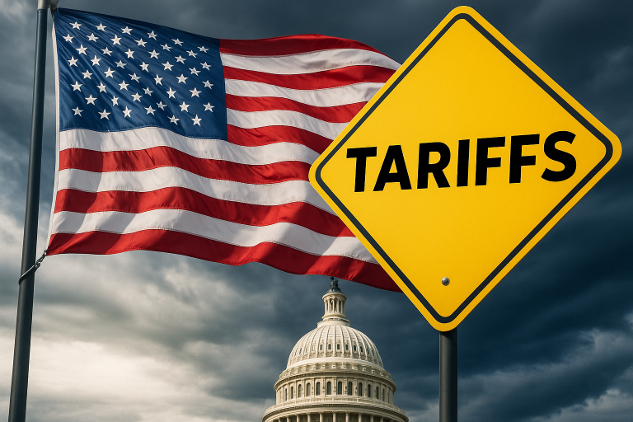
Donald Trump is back on the trade warpath, and this time, he's not just tweeting threats — he's promising to send out actual letters to America’s trading partners, outlining tariff rates like they’re overdue invoices. As with every round of this economic rollercoaster, American consumers aren’t just along for the ride — they’re the ones footing the bill. So what’s really going on behind this bizarre blend of bluster, paperwork, and price hikes? Let’s break it down.

We’re not confused about how to stop climate collapse—we’re just unwilling to do it. The science is settled, the tools exist, and the warnings couldn’t be louder. But instead of mobilizing like it’s World War III, we get timid plans and tech fantasies. What we need is immediate, system-wide transformation. What we get is delay. And delay, at this point, is surrender.

It’s Mother’s Day tomorrow, so what better time to talk about betrayal? Not the chocolate-and-roses kind, but the systemic, generational kind—the kind that puts mothers in institutions, brands women as witches, and today, strips away their healthcare one law at a time. My grandmother, Emma Averitt, lived through it. And now, as the GOP drags us backward through time, the rest of us might too.