What It Cost You to Live Under Republicans
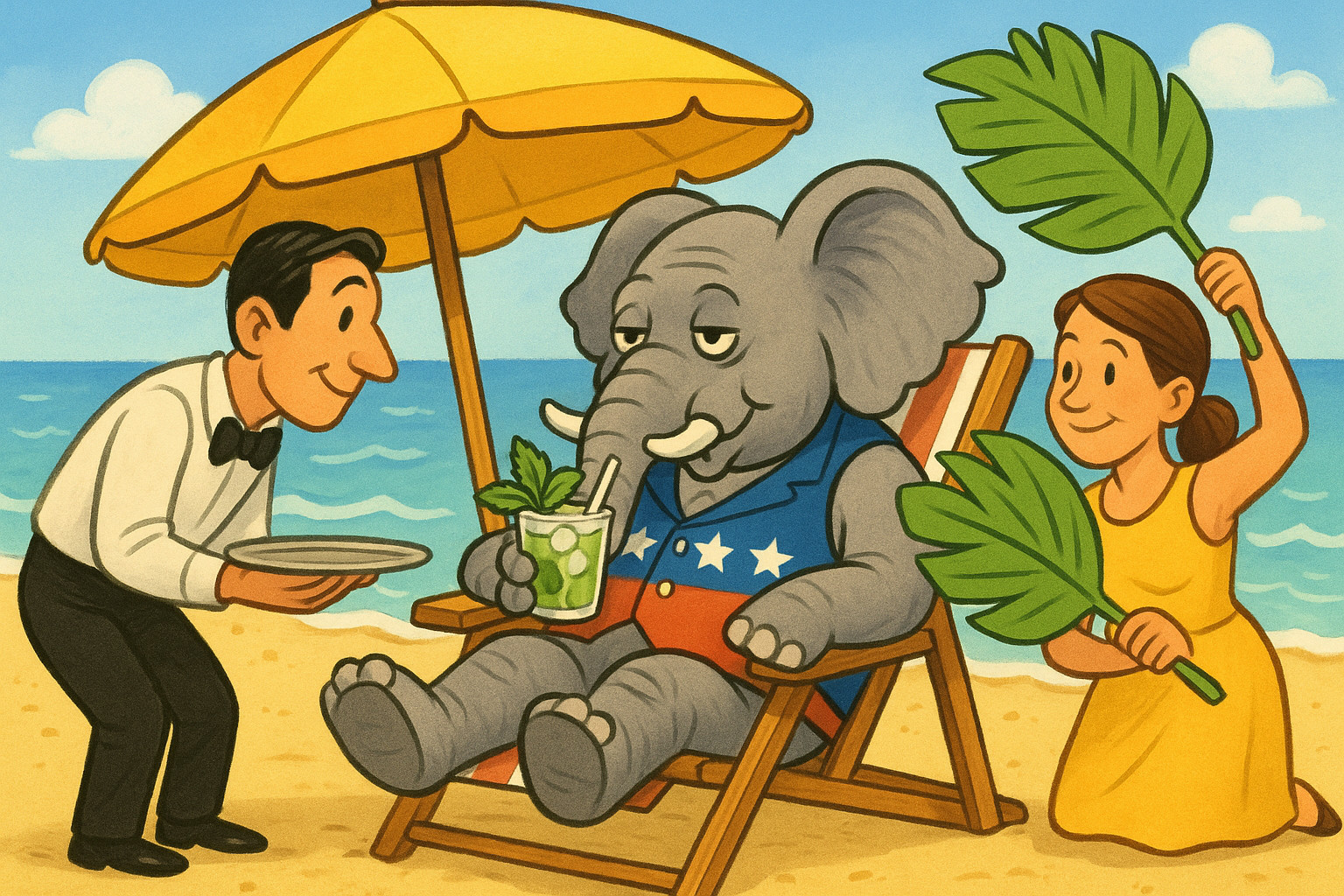
You were never handed this bill. That was the design. Spread across forty-six years and ten thousand ordinary transactions, no single charge ever looked like a policy, but added...
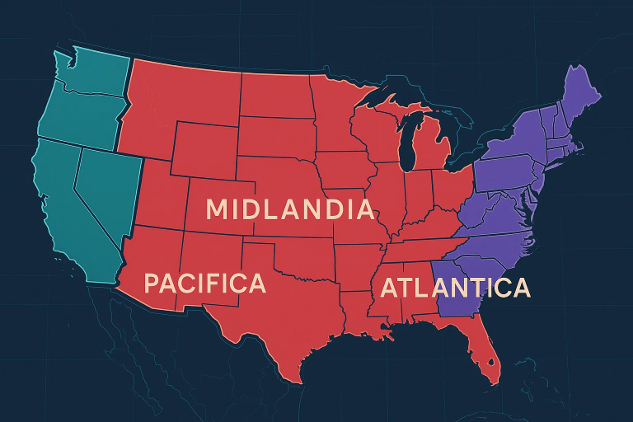
Imagine waking up one morning to discover that the United States no longer exists as a single nation. At first, it sounds like the stuff of dystopian fiction, but lately, even the word “breakup” has crept into political chatter.

America likes to think it buried eugenics with the Nazis, tucked it away with other embarrassments like leaded gasoline and segregation. But eugenics didn’t die. It rebranded. Today, it wears a suit, carries a briefcase, and calls itself “policy.” It votes in Congress, shows up at school board meetings, and even gives press conferences. It’s not about selective breeding anymore—it’s about selective survival.

The racial wealth gap in America is no accident, it’s a legacy of policies, practices, and attitudes stretching back generations. While the headlines focus on surface-level solutions, the real roots run deeper. Understanding racial wealth and its entrenched history is the first step to building a truly fair and inclusive economy.

We’re told the crime wave is on our doorstep , lurking in the alley, armed and dangerous, waiting for the chance to strike. But, every crime statistic has a backstory , and it’s not always about “bad people.” From the breadlines of the 1930s to today’s red-state crime surges, something bigger fuels desperation like dry timber feeds fire. The same leaders crying “law and order” are often the ones writing the rules that make communities unsafe in the first place.

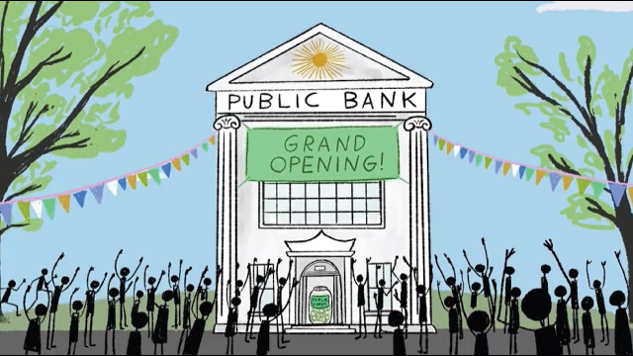
Public banking and community wealth are not abstract slogans. They are practical tools for lowering borrowing costs, funding the essentials politicians keep promising, and moving money back into local streets where it creates jobs and stability. This piece lays out what a public bank actually is, why states and cities are revisiting the model, and how you can press leaders to act without waiting another election cycle.

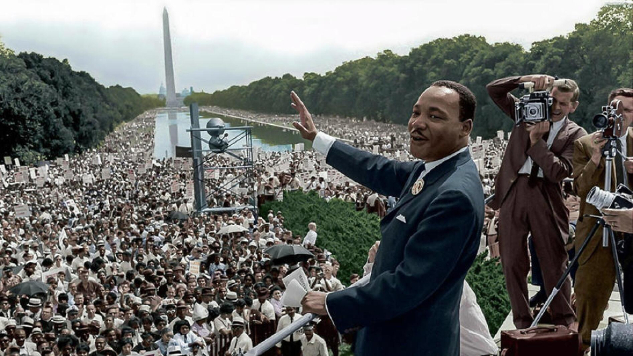
Franklin D. Roosevelt, when pressed for bold action during the Great Depression, famously told activists: “Now go out there and make me do it.” It wasn’t a throwaway line , it was a roadmap. The people had to push. He knew change wasn’t handed down from the heavens; it was wrenched from the hands of power by a determined public. Today, as inequality deepens, political gridlock calcifies, and authoritarianism creeps like black mold, the question isn’t whether we need another Roosevelt moment. The question is: Who’s going to be the force that makes it happen?

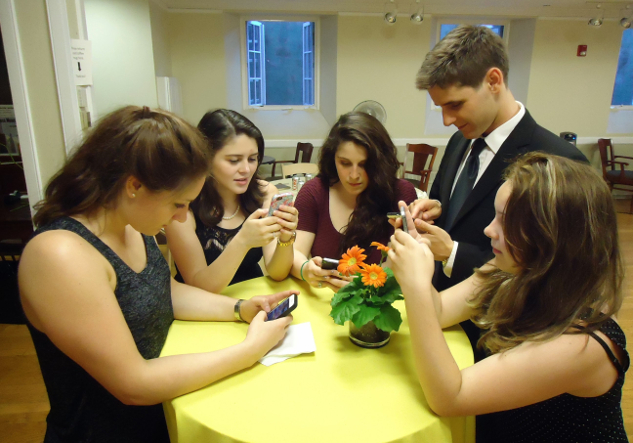
Have you ever felt like the world sees you less and less as a person and more as a profile, a data set, a consumer waiting to be analyzed? You’re not imagining it. Somewhere along the way, your digital shadow started speaking louder than your real voice, and nobody asked for your permission. This isn’t just a tech problem. It’s a soul-level issue. And it’s time we talked about it.

Why is immigration suddenly treated like an invasion, and why does diversity feel threatening to those in power? Maybe it’s not just about culture or borders, maybe it’s about systems. And maybe the system is broken because we designed it that way.

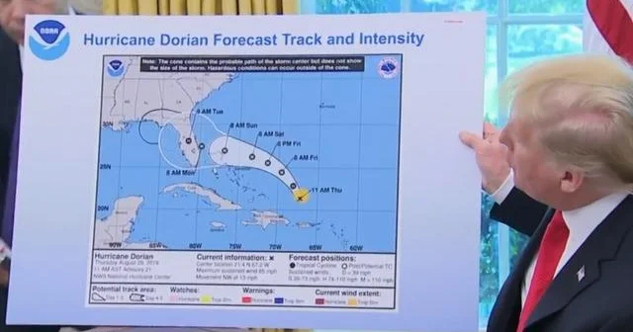
As Republicans slash U.S. climate data programs, they're not just endangering Americans, they're putting the entire planet's weather forecasting at risk. Without reliable data, storms become deadlier, predictions falter, and lives are lost. This is no accident, it’s a calculated dismantling of public safety by those who prefer power over preparedness. In this article, we reveal how climate data cuts jeopardize the future.

Donald Trump likes to call himself the master of the deal. But as with most showmen, the illusion tends to be more dramatic than the substance. His so-called trade “wins” are less about diplomacy and more about drama. Scratch beneath the surface, and you’ll find a pattern of grandiose press releases with little to no legal backbone. It's not that he didn’t make headlines, it’s that he rarely made treaties. And in the world of international commerce, headlines don’t hold up in court.

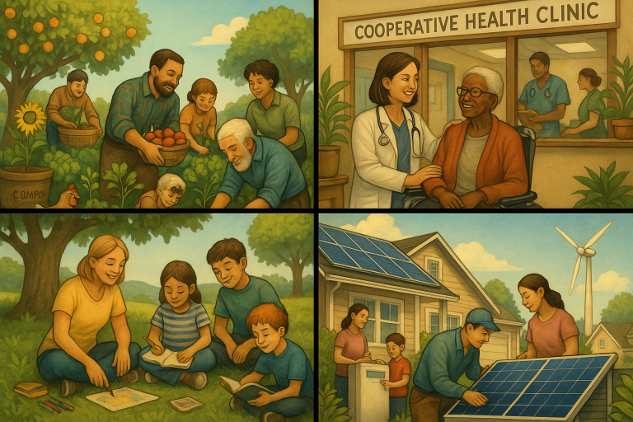
As global warming accelerates, and the U.S. government retreats from climate responsibility, a new front in climate adaptation is emerging. This article reveals how investors, cities, and international actors are building resilience through innovation, and why everyday people play a role in shifting the tide.

We’ve all heard the advice to “stop and smell the roses”—to slow down and appreciate the beauty around us. And yes, that’s good advice. But these days, with so much noise pollution, nonsense, and manipulation bombarding us, we also need to stop and smell something else: the B.S.

Cognitive warfare isn’t a sci-fi fantasy , it’s here. Through targeted propaganda and information manipulation, modern regimes are waging war without bullets. Democracies are under siege, not by tanks, but by tweets. This invisible battlefield is reshaping global power and eroding truth. Understanding cognitive warfare is no longer optional , it’s survival.

AI-powered personalized pricing is changing how businesses charge you—sometimes charging more just because they can. This profit-maximizing strategy thrives on your digital footprint. But there’s one simple, powerful weapon you still hold: cash. In this article, learn how your spending data is used against you and how paying with paper money can protect you in the algorithmic age.

When the game is rigged and the referees have gone home, maybe it’s time the other team picked up the ball and started calling their own plays. That’s the debate now bubbling up from California to New York as Democrats stare down a Republican Party gleefully rewriting the rules of democracy, and drawing new lines on the map to make sure the other side never wins again.

In July 2025, the U.S. government quietly made a decision with enormous consequences: slashing over $1.1 billion in funding to public broadcasting. That money doesn’t just support “elite” institutions like PBS or NPR headquarters—it keeps local stations alive, especially in rural America. Ironically, the voters who will suffer most are the very ones who helped elect the lawmakers behind the cuts. Welcome to the latest chapter in the slow dismantling of the American commons—where public services are gutted in favor of tax breaks for billionaires, and voters are left in the dark. Literally.

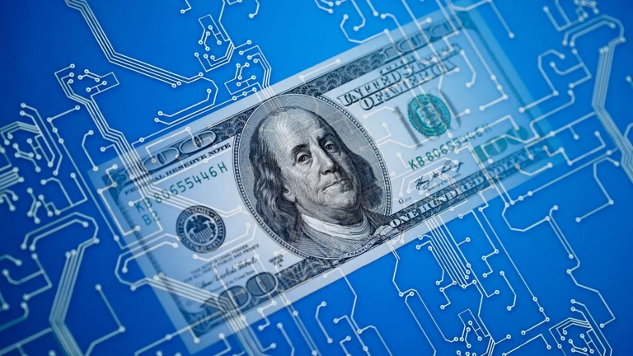
Paul Krugman recently raised a red flag: the U.S. Congress isn’t just opposed to creating a Central Bank Digital Currency—it’s banning the Fed from even thinking about one. That’s right, they’re outlawing thought. Meanwhile, Brazil has rolled out a lightning-fast, nearly-free public payment system used by over 90% of its adults. But Krugman missed the deeper issue. This isn’t just about payment apps or crypto alternatives. It’s about who gets to control money itself. And more dangerously, it’s about what happens if you—the ordinary citizen—get access to an account at the Fed.
He tweets at the Fed, brags at Mara Lago, and treats the U.S. economy like a slot machine. Sounds like a joke—but it's not. It's the daily reality we've been living in, where governance has become spectacle, leadership a brand, and policy a poker game with your rent money on the table. This isn’t satire. This is America under the influence—of greed, showmanship, and an ever-widening disconnect from the people who actually live in the country. And now, one music video dares to call it out… verse by verse, beat by beat.

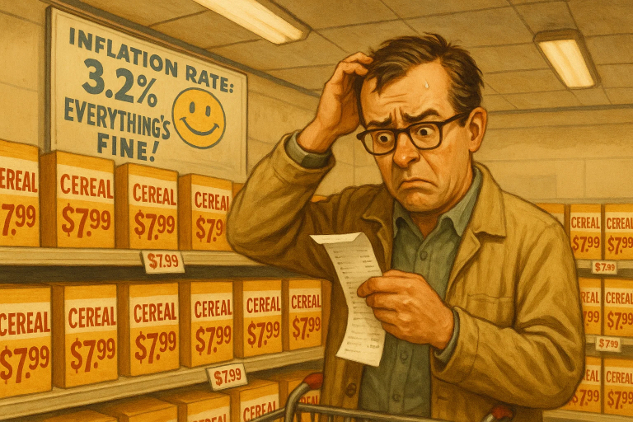
Inflation is supposedly under control at around 2.7 percent. The talking heads say we’re heading back to safe economic ground. But if you’re staring at a $150 grocery bill or wondering why your phone case just cost you 25 percent more, you already know something’s off. The inflation signals are misleading—and dangerously so.

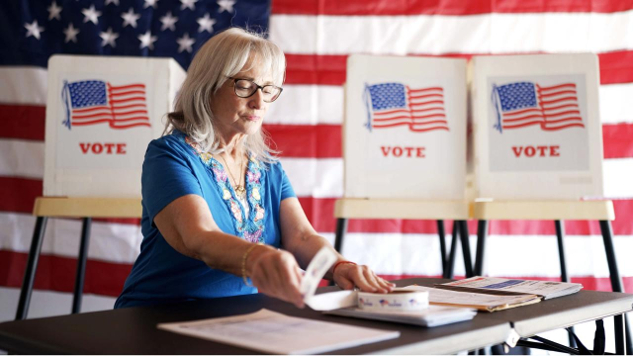
What if I told you the 2026 election theft isn't something coming in the future—it’s already underway? Not with ballot-stuffing or broken machines, but with memos, executive orders, and backdoor data grabs disguised as “security.” While most folks are arguing over gas prices and social media bans, the Trump administration is quietly installing the machinery of electoral control—one voter roll at a time.

Dorothy Gale III never quite believed the stories. Not fully. Not the way her grandmother told them. But she loved to listen. As a little girl, she’d curl up beside the old woman on a wide front porch in Kansas, the air thick with cicadas and the scent of cornfields. And the stories would spill out like magic.