What It Cost You to Live Under Republicans
You were never handed this bill. That was the design. Spread across forty-six years and ten thousand ordinary transactions, no single charge ever looked like a policy, but added...

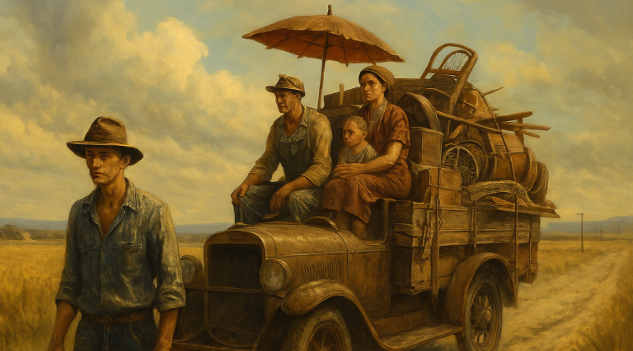
In a world where billionaires play gods and CEOs rule with more power than monarchs ever dreamed of, it's easy to forget this wasn’t always the way. In fact, once upon a time, even peasants had a lord who owed them something in return. This is the story of how we went from mutual obligation to economic disposability—and how fear, fueled by profit, is unraveling democracy thread by thread.

What happens when a nation confuses comfort with character? When expediency becomes the national pastime? In a recent conversation between David Brooks and Scott Galloway, something profound was revealed — not through what was said, but what was still left unsaid. True conservatism isn’t just missing in America; it’s dead. And what replaced it isn’t progress — it’s moral drift. Let’s talk about why that matters more than most of us want to admit.

Everywhere you look, democracy is fraying. And it’s not just the usual suspects. From the polite parliament halls of Europe to the fractured federation of America, and yes, even up there in Canada — the cracks are no longer subtle. But this isn’t new. In fact, it’s old. As old as campfires and cattle. Today’s headlines might scream about elections and extremists, but the real story is deeper: a betrayal that began long before ballots were printed or tweets were launched.

Think your private life is actually private? Think again. Your data has been bought, sold, sliced, diced, and served up to both corporate America and Uncle Sam — all while you were busy Googling cat videos or filing your taxes. Welcome to the era where your "digital soul" is currency, and you didn’t even get a receipt.

What if the cornerstone of your freedom—your right to not be imprisoned without cause—was quietly dismantled while the media focused on polls and personalities? In Trump’s second term, habeas corpus isn’t just under threat—it’s on the chopping block. This isn’t speculative. It’s historical déjà vu, supercharged with steroids, unchecked power, and a vengeance tour disguised as governance.

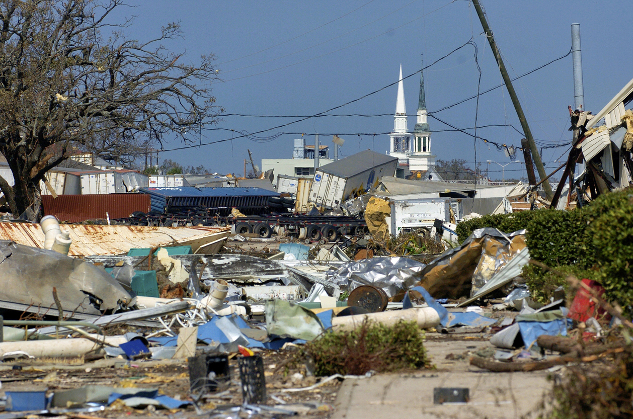
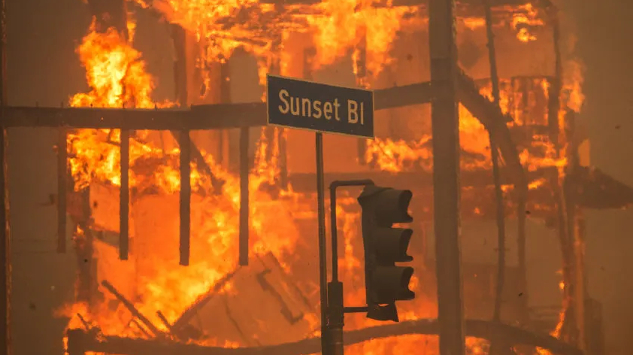
What if FEMA didn’t exist? It’s not just a political thought experiment—it’s a question that cuts to the core of how we define responsibility, coordination, and resilience in a time of escalating disaster. As hurricanes intensify, wildfires spread, and infrastructure cracks under pressure, the federal safety net provided by FEMA is often the last thing standing between chaos and recovery. But what if that net vanished overnight?

Ever feel like the economy is collapsing around you, but the headlines swear it’s never been better? You're not crazy. That uneasy feeling—that disconnect between your lived reality and the official numbers—has a name: economic gaslighting. And it’s not just a side effect of incompetence. It's strategy.

Donald Trump is once again threatening to fire the Federal Reserve Chair. This time, it's not just campaign bluster—he’s targeting Jerome Powell like a CEO would a disobedient intern. But here’s the problem: the Fed isn’t a Trump casino or a family golf resort. It's the last semi-independent institution holding the economic gears in place. If Trump wins and seizes control, we’re not just facing inflation—we're facing economic tyranny dressed up as “America First.”

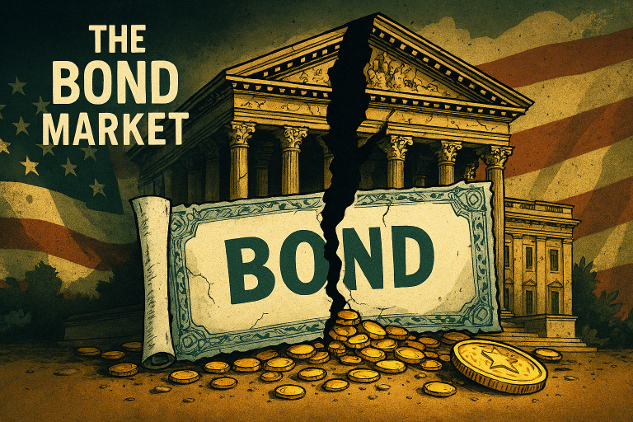
They say the bond market runs the world. Presidents quake at the thought of displeasing it. Pundits treat it like some mystical beast that must be constantly appeased. Propose healthcare for all? The bond market might panic. Talk about student debt relief? The bond market could retaliate. Green infrastructure? Better check with Wall Street first. But let’s be clear: this fear is manufactured. It’s not economics—it’s theater. The “bond market fear” and “federal debt myth” are the oldest tricks in the political manipulation book.

Peter Navarro has a Harvard Ph.D. in economics. Let that sink in. The same guy who helped launch a trade war with China by applying 19th-century thinking to a 21st-century economy was trained at one of the most prestigious institutions in the world. If that doesn't shake your faith in Ivy League credentials, it should. Because Navarro’s obsession with tariffs doesn’t just fail — it exposes how dangerously out of touch elite economic theory can be when it’s twisted into ideology.

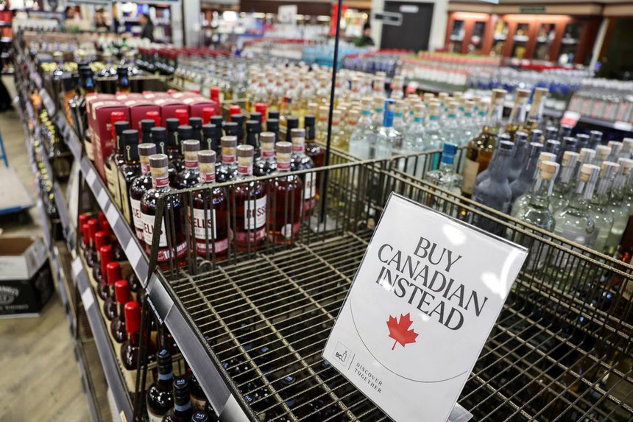
When people start voting with their wallets, politicians take notice—eventually. But what happens when the wallet isn’t just closed, it’s pointed in another direction? With mounting global frustration at U.S. policies, more citizens worldwide are turning their backs on American-made goods and bypassing those glossy vacation brochures. The results? Far more consequential than the media lets on.

Can your zip code predict your life expectancy? It might not be that simple, but a groundbreaking study says your bank balance might. Comparing older adults across the United States and Europe, researchers have found that wealth is not just a privilege—it’s a matter of life and death. And if you live in America, even being rich might not be enough to save you.

Ever wondered if you could guess a politician’s party just by listening to them speak? No, not by their policies or their promises—but by their word choice alone. Welcome to the strange but revealing world of politically conditioned variation, where even synonyms betray your party loyalty. Sounds ridiculous? Maybe. But the science says otherwise.

Forget the old saying “all politics is local.” In today’s America, all politics is relocation. A growing number of Americans are choosing to pack up, load the U-Haul, and move somewhere politically comforting—someplace where the neighbors won’t roll their eyes at the yard sign. Welcome to the era of partisan migration, where we vote not just with ballots, but with our feet—and those feet are walking straight into ideologically gated communities.

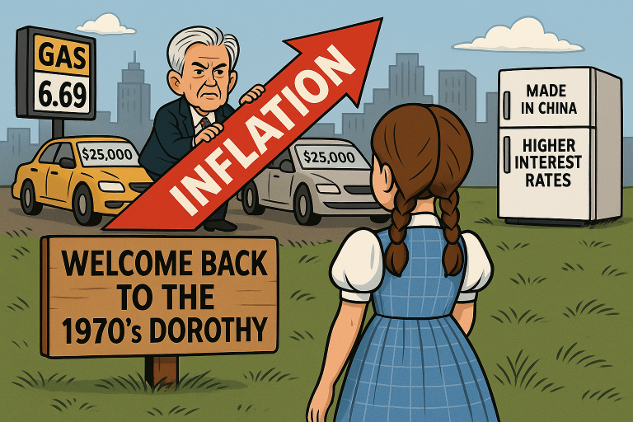
Remember the 1970s? Stagflation, gas lines, polyester leisure suits, and the unmistakable smell of economic dysfunction? Back then, it was foreign oil barons pulling the strings. This time, we’re not so lucky. The chaos isn’t coming from across the ocean — it’s being handcrafted in the Oval Office by the administration, thinking the best way to revive the economy is to drag it backward through a thicket of tariffs, trade wars, and broken supply chains. Welcome to 2025 — where inflation is rising, growth is shrinking, and yes, we’re doing it to ourselves.

Veterans are among the sickest patients in America, yet the VA treats them more cost-effectively than private healthcare. Now, Trump and Musk's sweeping VA budget cuts threaten to upend that system—leaving 900,000 disability claims backlogged, 40,000 vets homeless, and suicides on the rise.

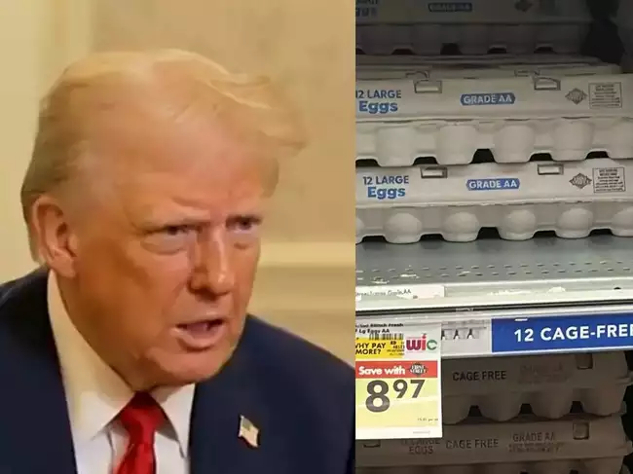
Republicans were fuming over egg prices. Yes—eggs. Meanwhile, more than a million Americans died during the Trump administration’s chaotic handling of COVID-19, and many on the Right hardly blinked. Why is breakfast more scandalous than body bags? This isn’t just hypocrisy—it’s a deliberate strategy. When outrage is weaponized, facts no longer matter. What matters is controlling the narrative, even if it means cracking a few eggs—or truths—along the way.

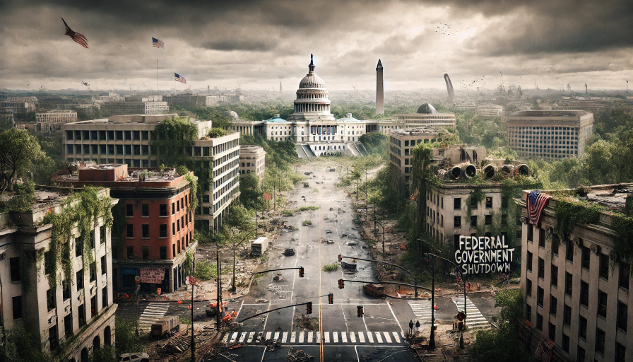
With the federal government pulls back on funding for disaster relief, healthcare, infrastructure, and law enforcement, states will scramble to fill the gap. But can they do it without raising taxes substantially? And if they do raise taxes, won’t the wealthy simply pack up and move to low-tax states, creating a bidding war for the lowest possible rates?

Trump’s economic policies are built on fantasy, and the price of those delusions will be paid by working Americans. While he distracts his supporters with talk of tariffs, tax cuts, and “bringing back” manufacturing, the real economic crisis is looming: climate-driven collapse. Instead of preparing for the challenges of the 21st century, he’s doubling down on a failed 1950s economic model. But there’s another way—a strategy that actually works. If I were king, we’d launch a WWII-style economic mobilization, one that actually makes America stronger instead of weaker.

Microplastic pollution is silently crippling global food security by reducing photosynthesis in crops, marine algae, and freshwater ecosystems. Studies show a staggering decline of up to 12%, resulting in the loss of millions of metric tons of food annually. With urgent plastic mitigation strategies, these losses can be significantly reduced. Here’s what you need to know about the growing crisis and how we can combat it.

With growing concerns over American political influence and corporate monopolies, Canadians are considering an unusual but powerful form of protest: boycotting U.S. products. Could consumer choices be the key to pushing back against unchecked economic dominance?