











Happiness & Success
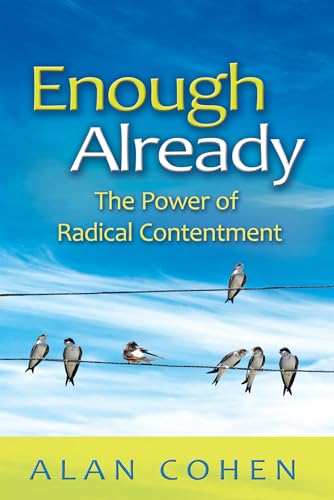
Achieving Happiness Through Acceptance of Life
The quest for happiness often leads to frustration, as many fail to realize that the...

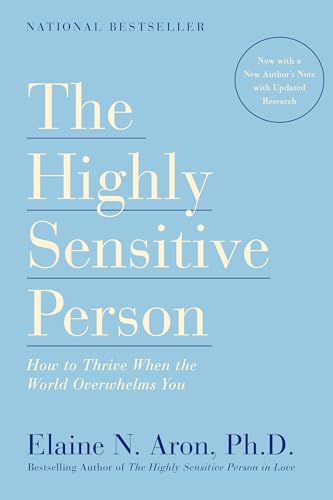
Understanding your innate sensitivity is not about weakness or dysfunction—it's about recognizing a fundamental aspect of how your nervous system processes the world. Approximately fifteen to twenty percent of the population possesses a trait characterized by deeper cognitive processing, heightened emotional responsiveness, increased awareness of subtleties, and greater susceptibility to overstimulation. For those who experience life with exceptional intensity and depth, this groundbreaking work offers validation, scientific explanation, and practical guidance for thriving with this often-misunderstood characteristic.
Research into sensory processing sensitivity reveals that highly sensitive individuals process information more thoroughly than others. Their brains work differently, noticing details that others miss, picking up on emotional nuances, and reflecting deeply before taking action. This trait appears across more than one hundred species and serves important survival functions. Sensitivity isn't a flaw to be corrected but rather a neutral biological difference with both advantages and challenges.
Readers discover how to identify whether they possess this trait through careful examination of common characteristics. Highly sensitive individuals often become overwhelmed by intense stimuli such as bright lights, strong smells, coarse fabrics, or loud noises. They tend to have rich, complex inner lives and feel emotions deeply. They're conscientious, notice subtleties in their environment, and are easily affected by other people's moods. They often need more time to process experiences and may become rattled when rushed or when juggling multiple demands.
Read more ▼
Charles Darwin

Charles Dickens
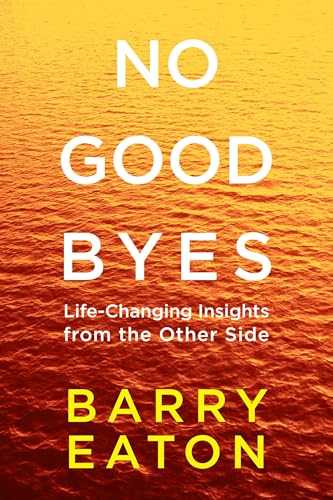
Barry Eaton
The quest for happiness often leads to frustration, as many fail to realize that the...

Reaching sixty can evoke complex emotions, blending relief with ongoing ambition. This...

The quest for life's purpose often leads to unsatisfactory answers. This article...

Romantic love is a complex emotion shaped by historical, cultural, and biological...

Imagine going through one of the most physically and emotionally demanding experiences...

Have you ever argued over something that wasn't actually said? From cultural differences...

Daily actions often conflict with personal beliefs due to past experiences. By utilizing...

Therapists often use dream interpretation to delve into patients' emotions, but true...