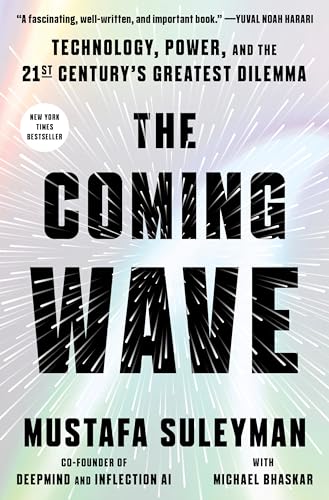













We live in an age of unprecedented technological acceleration. Artificial intelligence systems are becoming increasingly sophisticated, algorithmic decision-making shapes our daily lives, and the pace of change often feels beyond our control. Yet within this turbulent landscape lies an essential truth: understanding how technology functions and how power operates in the digital age is not just an intellectual exercise, but a fundamental requirement for personal empowerment and meaningful agency.
This exploration delves into one of the most critical questions facing contemporary society: what happens when the forces shaping our world seem impossible to contain, control, or fully comprehend? The premise challenges a common assumption many of us hold, that somehow, somewhere, someone is in control of technological development and its consequences. The reality is far more complex and unsettling. Those who created the systems that now govern vast portions of our existence often cannot predict or contain their full effects. This recognition, while initially unsettling, is actually liberating.
Understanding this dynamic becomes crucial for anyone seeking to reclaim personal agency and make conscious choices about their relationship with technology. When we recognize that even the architects of artificial intelligence systems face unprecedented challenges in managing their creations, we stop waiting for perfect solutions or authoritative figures to save us. Instead, we begin to recognize our own power to shape our responses, establish boundaries, and build meaningful lives despite the uncertainty surrounding us.
The investigation covers how modern technology, particularly artificial intelligence, has developed in ways that exceed anyone's complete understanding or control. This isn't a pessimistic view but rather a realistic one that acknowledges the complexity of systems built upon systems, with feedback loops and unintended consequences that cascade through society in unexpected ways. By examining this reality clearly, readers gain perspective on where genuine risks lie and where they can meaningfully intervene in their own lives and communities.
Throughout this journey, several crucial insights emerge. First, recognizing that containment is impossible frees us from magical thinking. We stop expecting perfect safety measures or complete understanding. Second, this awareness paradoxically reveals where real responsibility lies, not with distant technologists or policymakers alone, but with each of us as individuals and communities. Third, understanding the distributed nature of power in technological systems shows us multiple leverage points where individuals and groups can exert influence.
The exploration addresses critical themes relevant to personal empowerment: how to think clearly about risk and uncertainty, how to maintain autonomy in an algorithmic world, how to teach others, especially young people, about these realities, and how to build resilience in the face of accelerating change. Rather than promoting either techno-utopianism or paralyzing fear, this perspective encourages thoughtful engagement with technology as neither savior nor enemy, but as a powerful force requiring wisdom, humility, and continuous adaptation.
For readers committed to personal growth and social consciousness, this work provides essential frameworks for understanding the world we inhabit. It addresses the gap between technological capacity and human wisdom, between innovation speed and ethical reflection, between individual desires and collective consequences. These are not abstract philosophical problems, but lived challenges affecting decisions we make daily about what we consume, how we engage with information, and what kind of future we want to help create.
In seeking personal empowerment, understanding the actual structure of the world we're empowering ourselves within is foundational. This exploration provides that understanding, stripping away comforting illusions while revealing genuine opportunities for meaningful action. It's an invitation to wake up to reality and discover that even in an uncontainable, accelerating world, profound personal and collective agency remains possible. The question isn't whether we can control everything, but rather: given that we cannot, how will we choose to live, act, and influence the world around us?