





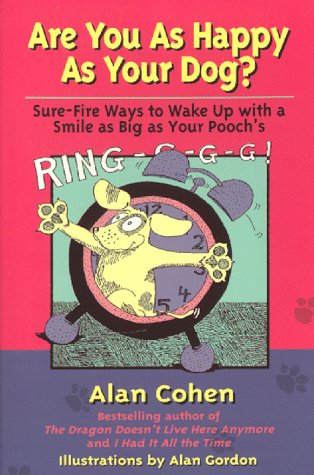










Happiness & Success
Achieving Happiness Through Acceptance of Life
The quest for happiness often leads to frustration, as many fail to realize that the...

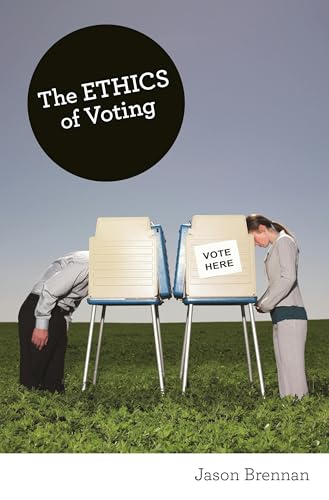
# Understanding Our Moral Responsibility as Citizens
Every election season, millions of people face a deceptively simple question: Should I vote? While most discussions around voting focus on practical logistics or partisan politics, there exists a deeper, more fundamental inquiry that deserves our attention. What are our actual ethical obligations when we enter the voting booth? What moral responsibilities do we bear toward our fellow citizens and society when we make electoral decisions?
These profound questions form the heart of an exploration that challenges conventional wisdom about democratic participation. Rather than assuming that voting is always a civic virtue or that the act of voting itself is inherently good, this work invites us to examine the moral foundations of electoral choice itself. It asks us to consider whether voting without careful deliberation, or voting based on inadequate information, might actually cause harm to our communities. This perspective opens up uncomfortable territory for many people, but therein lies its transformative potential.
Read more ▼
Dan Millman

With Liberty And Dividends For All How To Save Our Middle Class When Jobs Dont Pay Enough
Peter Barnes - undifferentiated
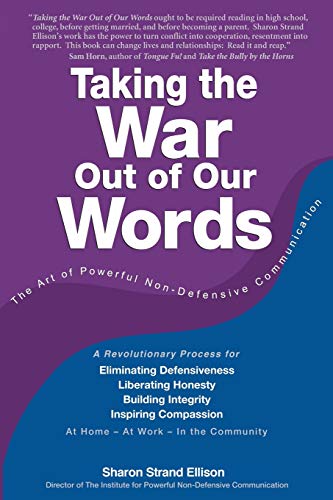
Taking the War Out of Our Words
Sharon Strand Ellison

Sally Young
The quest for happiness often leads to frustration, as many fail to realize that the...

Reaching sixty can evoke complex emotions, blending relief with ongoing ambition. This...

The quest for life's purpose often leads to unsatisfactory answers. This article...

Romantic love is a complex emotion shaped by historical, cultural, and biological...

Imagine going through one of the most physically and emotionally demanding experiences...

Have you ever argued over something that wasn't actually said? From cultural differences...

Daily actions often conflict with personal beliefs due to past experiences. By utilizing...

Therapists often use dream interpretation to delve into patients' emotions, but true...