










Happiness & Success
Achieving Happiness Through Acceptance of Life
The quest for happiness often leads to frustration, as many fail to realize that the...

# Creating Sanctuary in Your Daily Life: A Guide to Spiritual Refuge
In our fast-paced, often chaotic modern world, the concept of sacred space has never been more vital to our wellbeing. Many of us hunger for moments of peace, corners of quietude where we can retreat from the demands of daily life and reconnect with what truly matters. This comprehensive exploration into the art of cultivating sacred space offers profound wisdom for anyone seeking to create sanctuaries that nourish the soul and support spiritual growth.
The journey toward creating sacred space begins with understanding that sanctuary is not merely a physical location. It is a quality of being, an intentional relationship with your environment that honors the sacred dimension of existence. Whether you live in a sprawling house or a small apartment, whether you have access to natural landscapes or must create beauty within urban constraints, the principles explored here transcend circumstances. Sacred space can be cultivated anywhere when you understand its true nature and purpose.
Read more ▼
Stephen Cope

Mindfulness Based Living Course
Choden, Heather Regan-Addis
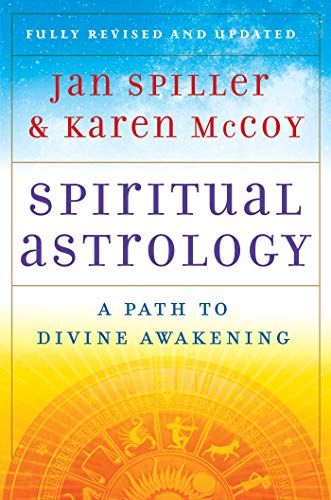
Jan Spiller

Catherine Ponder
The quest for happiness often leads to frustration, as many fail to realize that the...

Reaching sixty can evoke complex emotions, blending relief with ongoing ambition. This...

The quest for life's purpose often leads to unsatisfactory answers. This article...

Romantic love is a complex emotion shaped by historical, cultural, and biological...

Imagine going through one of the most physically and emotionally demanding experiences...

Have you ever argued over something that wasn't actually said? From cultural differences...

Daily actions often conflict with personal beliefs due to past experiences. By utilizing...

Therapists often use dream interpretation to delve into patients' emotions, but true...