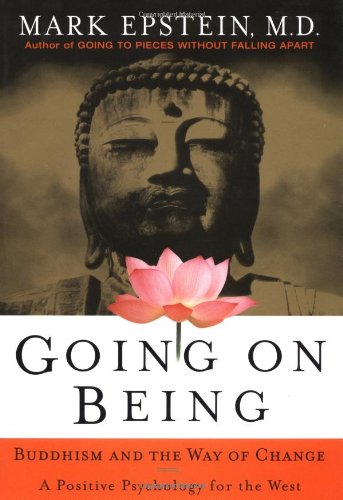















Discover a groundbreaking exploration of how Buddhism and Western psychology intersect to transform our understanding of the human mind and our capacity for psychological healing and spiritual growth. This essential work bridges two seemingly separate traditions, revealing that ancient Buddhist wisdom and modern therapeutic insight address the same fundamental human struggles from complementary angles.
The journey begins with a provocative question: what does it mean to simply be? In our culture of constant doing, productivity, and achievement, the concept of "going on being" challenges our most basic assumptions about what constitutes a meaningful life. Rather than pursuing another self-help prescription for fixing ourselves, this exploration invites readers into a deeper inquiry about accepting ourselves as we already are while simultaneously cultivating awareness and growth.
Throughout these pages, you'll encounter a sophisticated yet accessible dialogue between Buddhist philosophy and psychoanalytic theory. The work examines how both traditions recognize that human suffering stems from our fundamental confusion about the nature of self and reality. While Buddhism approaches this through meditation and insight, Western psychology addresses it through talk therapy and cognitive understanding. Yet both paths lead toward similar destinations: greater self-awareness, emotional freedom, and the ability to live more authentically.
One of the most valuable aspects of this exploration is its treatment of the therapeutic relationship and spiritual practice as parallel processes. Just as meditation practitioners develop a compassionate, non-judgmental awareness of their thoughts and emotions, psychotherapy clients learn to observe their patterns and behaviors without harsh criticism. Both approaches require patience, honesty, and a willingness to encounter ourselves as we truly are, rather than as we wish to be or believe we should be.
The work delves into how our early experiences shape our psychological structures, examining how we construct defensive mechanisms to protect ourselves from pain. Rather than viewing these defenses as merely obstacles to overcome, this perspective understands them as intelligent adaptations that once served a purpose. This compassionate understanding opens doors to genuine transformation that forced change and willpower cannot achieve. When we recognize why we developed certain patterns, we can relate to ourselves with genuine kindness rather than self-judgment.
Throughout this exploration, you'll discover practical insights into how to work with anxiety, depression, and the existential questions that arise in human life. The work addresses the fundamental anxiety of existence itself—what some might call existential dread—recognizing that certain levels of anxiety and uncertainty are not pathological conditions to be eliminated, but natural responses to being human. Learning to tolerate and work with this baseline anxiety becomes a gateway to freedom rather than a sign of dysfunction.
The integration of these two great traditions offers something increasingly relevant to contemporary seekers: a way forward that honors both intellectual understanding and direct experience, both individual psychology and universal truths about human nature. This approach allows readers to benefit from insights gained through centuries of Buddhist contemplative practice while also incorporating the valuable discoveries of Western psychology about trauma, development, and the unconscious mind.
For anyone seeking personal transformation, this work provides a map that validates both the internal work of self-reflection and the spiritual quest for deeper meaning. It suggests that healing our psychological wounds and awakening to our true nature are not separate endeavors but interconnected aspects of becoming fully human. Whether you're interested in meditation, psychotherapy, or simply understanding yourself more deeply, this exploration offers profound wisdom applicable to everyday life. The promise is not perfection or the elimination of all psychological challenges, but rather a richer, more authentic engagement with the full spectrum of human experience, including its difficulties and its profound depths.