


















Happiness & Success
Achieving Happiness Through Acceptance of Life
The quest for happiness often leads to frustration, as many fail to realize that the...


# Understanding Food, Power, and Human Freedom
What we eat connects directly to who we are and how we live. This groundbreaking exploration reveals the hidden relationships between our daily meals, our personal freedom, and the structures of power that shape our world. By examining the history of what appears on our tables, readers will uncover profound truths about economics, culture, colonialism, and resistance that transform how we understand both food and liberty.
The journey begins with sugar. Few substances have more dramatically shaped human history, yet most people remain unaware of sugar's role in creating modern capitalism, slavery, and global inequality. This examination traces how a simple plant became the foundation of empires, how it powered the accumulation of wealth for some while extracting unimaginable suffering from others, and how our relationship with this everyday substance remains entangled with injustice. Understanding sugar's history becomes a lens through which we can view all of human civilization's complexities.
Read more ▼
John C. Maxwell
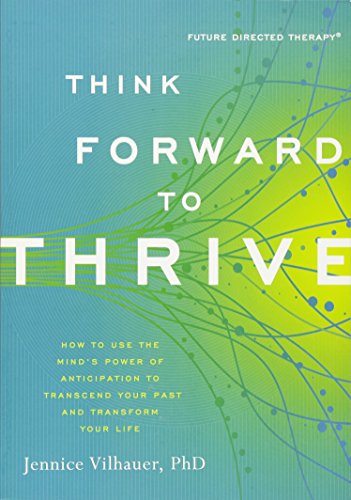
Jennice Vilhauer

Scott Shaw
The quest for happiness often leads to frustration, as many fail to realize that the...

Reaching sixty can evoke complex emotions, blending relief with ongoing ambition. This...

The quest for life's purpose often leads to unsatisfactory answers. This article...

Romantic love is a complex emotion shaped by historical, cultural, and biological...

Imagine going through one of the most physically and emotionally demanding experiences...

Have you ever argued over something that wasn't actually said? From cultural differences...

Daily actions often conflict with personal beliefs due to past experiences. By utilizing...

Therapists often use dream interpretation to delve into patients' emotions, but true...