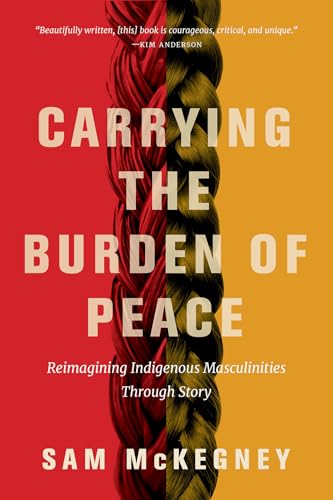









In a world fractured by conflict, violence, and historical trauma, the path toward genuine peace remains one of humanity's most elusive pursuits. Yet within Indigenous knowledge systems, particularly those of Native American and First Nations communities, lie profound teachings about reconciliation, healing, and the courageous work required to build lasting peace in our hearts and communities.
This groundbreaking exploration examines how Indigenous perspectives on peacebuilding offer transformative insights that challenge Western approaches to conflict resolution and personal empowerment. Rather than viewing peace as the absence of conflict, readers will discover that true peace involves actively engaging with difficult histories, acknowledging harm, and participating in the ongoing work of healing and restoration.
The text delves into Indigenous intellectual traditions and their practical applications for contemporary life. These are not abstract philosophical concepts but lived practices rooted in centuries of wisdom about how human beings can coexist with integrity, responsibility, and mutual respect. Through careful examination of Indigenous voices and perspectives, the work invites readers to reconsider their understanding of what it means to be at peace with oneself and others.
One of the central themes explored is the concept of burden-bearing as a spiritual and relational practice. Rather than burden being something to avoid or escape, Indigenous approaches understand certain burdens as sacred responsibilities we carry on behalf of our communities, future generations, and the natural world itself. This reframing can profoundly shift how readers understand their own struggles and how those struggles connect to larger systems of healing and transformation.
The book addresses the intersection of personal growth and social consciousness by demonstrating how individual healing is inseparable from collective healing. Readers will gain understanding of how historical trauma affects present-day communities and how personal empowerment involves acknowledging this context while working toward restoration. This is particularly important for those seeking to understand social justice not as abstract activism but as a deeply spiritual and personal practice rooted in relationships and accountability.
Through Indigenous teachings, readers will encounter different ways of thinking about responsibility, kinship, and what we owe to one another across time and difference. These concepts directly apply to navigating polarization in contemporary society, healing from interpersonal conflicts, and developing the emotional and spiritual resilience needed to engage with difficult truths.
The exploration also offers practical implications for personal transformation. By understanding Indigenous approaches to conflict resolution and peacebuilding, readers can develop new tools for managing their own internal conflicts, addressing harm in relationships, and participating in healing within their families and communities. This bridges the gap between spiritual understanding and embodied practice, showing how ancient wisdom becomes relevant and applicable in modern life.
For those on a path of personal growth and social consciousness, this work provides essential perspectives often absent from mainstream conversations about peace and healing. It challenges readers to expand their empathy, examine their own participation in systems of harm, and recognize their agency in creating different possibilities.
The spiritual dimension of peacebuilding receives careful attention, revealing how Indigenous traditions understand peace not merely as political or social achievement but as a spiritual practice requiring courage, humility, and commitment to ongoing growth. Readers seeking deeper meaning in their personal development will find that peacebuilding understood through Indigenous frameworks offers a spiritually rich path toward greater wholeness and purpose.
This exploration serves as an invitation to transform not only how we understand peace but also how we live it in our daily choices, relationships, and commitments to ourselves and our world.