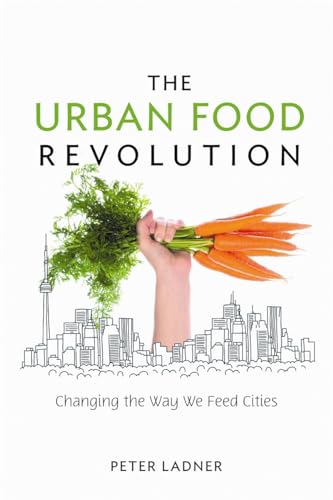


















Discover how communities across North America are fundamentally reimagining food production and reclaiming power over what they eat. This exploration reveals a quiet revolution happening in urban spaces, where citizens are challenging industrial agriculture, corporate food systems, and the disconnect between people and the sources of their nourishment.
The modern food system has created a troubling paradox: we live in unprecedented abundance yet face growing health crises, environmental devastation, and economic inequality. Most people in cities have become entirely disconnected from food production, accepting whatever arrives on supermarket shelves without question. This dependency has concentrated enormous power in the hands of a few multinational corporations that prioritize profit over nutrition, sustainability, or community wellbeing. But across urban landscapes, a powerful counter-movement is emerging, and understanding this transformation matters deeply for anyone concerned with personal health, environmental sustainability, and democratic participation.
Within these pages, readers discover compelling stories of urban farmers, community organizers, and ordinary citizens who are reclaiming agency over their food systems. From rooftop gardens in New York to community supported agriculture programs in Vancouver, from school gardens that reconnect children with real food to farmers' markets that rebuild local economies, this work documents how the food revolution manifests in concrete, practical ways. These aren't fringe movements or passing trends but rather fundamental shifts in how communities understand production, consumption, and collective responsibility.
The exploration reveals critical insights about land use, urban planning, and zoning laws that have historically prevented cities from producing their own food. Readers learn how outdated regulations were designed to concentrate agricultural production in the hands of large-scale industrial operations far from cities, and discover how communities are successfully changing these policies to permit urban farming. This political dimension is crucial because food security ultimately requires changes to governance, not merely individual consumer choices.
Throughout these pages, you'll encounter the nutritional advantages of locally grown food, the environmental benefits of reducing food transportation and industrial agriculture's chemical inputs, and the economic revitalization that occurs when food dollars remain within communities. Perhaps more importantly, you'll explore how growing your own food or participating in local food systems transforms consciousness. When people understand the labor, knowledge, and care involved in producing nourishment, their relationship to food becomes sacred rather than transactional. This shift in consciousness naturally extends to broader questions about how we live together and what we value collectively.
The book addresses the social justice dimensions of food systems, exposing how industrial agriculture and food deserts disproportionately affect low-income communities and communities of color. Urban food production becomes a tool for addressing systemic inequality and ensuring that all people have access to nutritious food, not merely products designed for profit maximization. This connects personal food choices to larger movements for justice and equity.
Readers will gain practical understanding of various approaches: community gardens, farmers' markets, urban farms, food cooperatives, school gardens, and policy changes that support local food systems. But beyond the how-to information, this work invites deeper reflection on what it means to be citizens rather than passive consumers. It challenges the assumption that food simply appears through impersonal corporate channels and demonstrates that ordinary people, working together, possess the power to create alternatives.
For those seeking to live with greater intention and consciousness, wanting to align their daily choices with their values, and hoping to participate in meaningful transformation, this exploration of urban food systems offers both inspiration and practical pathways. It demonstrates that personal growth and social change are inseparable, and that something as fundamental as feeding ourselves and our communities represents sacred work worthy of our attention and commitment.