













# Reclaiming Indigenous Identity: A Transformative Journey Into Masculine Wholeness
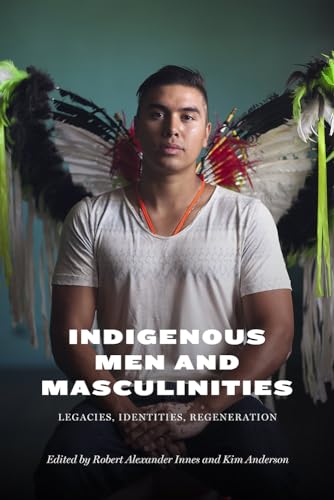
Across cultures and throughout history, masculinity has been defined and redefined by external forces, often in ways that diminish the human spirit and disconnect men from their deepest truths. For Indigenous men, this challenge carries additional layers of complexity, shaped by centuries of colonization, cultural displacement, and systemic oppression. This collection offers a powerful counternarrative—one that invites readers to explore what authentic masculine identity looks like when reclaimed through the lens of Indigenous wisdom, spiritual practice, and lived experience.
Readers seeking personal transformation will discover a refreshing departure from mainstream conversations about manhood. Rather than reinforcing narrow definitions of strength based on dominance or emotional suppression, this work presents masculinity as something that can be rooted in community responsibility, emotional authenticity, spiritual connection, and cultural pride. These essays and reflections demonstrate that true masculine strength emerges when men align themselves with values that honor both their own humanity and their relationships with others, the natural world, and their ancestral heritage.
The collection brings together diverse Indigenous voices and perspectives, each offering unique insights into how masculine identity intersects with cultural survival, healing, and personal growth. Readers will encounter storytelling traditions that reveal how Indigenous cultures have long held sophisticated understandings of gender, responsibility, and the roles men play within families and communities. These narratives challenge the assumption that Indigenous masculinities are relics of the past, instead presenting them as living, evolving frameworks that remain deeply relevant for contemporary men seeking meaningful lives.
For those on a personal growth journey, the text offers valuable lessons about the importance of reconnecting with cultural roots as a pathway to psychological and spiritual healing. Many modern men, particularly those from marginalized communities, carry intergenerational trauma—the weight of ancestors' suffering and the ongoing impacts of systemic inequality. This collection shows how reclaiming cultural identity and reconnecting with traditional teachings can serve as a powerful healing modality. By learning how other men have navigated this journey, readers gain practical wisdom and inspiration for their own path toward wholeness.
The work also addresses critical social consciousness issues, examining how colonization continues to shape Indigenous masculinity and how men can actively participate in decolonization and cultural revitalization. This includes honest conversations about the ways trauma has manifested in Indigenous communities—including violence, addiction, and disconnection—and how returning to cultural values offers pathways toward restoration. Readers will gain understanding of how personal healing and collective liberation are interconnected; in helping themselves become healthier, more authentic men, Indigenous men also contribute to the healing of their communities and the preservation of their cultures for future generations.
Spiritual dimensions run throughout the collection, exploring how Indigenous spiritual practices inform and sustain masculine identity. Rather than presenting spirituality as separate from daily life, readers discover how ceremonial practices, connection to the land, and relationships with spiritual beings provide ongoing support for men's development and well-being. This integration of the spiritual and practical offers readers a more holistic framework for understanding manhood.
Perhaps most importantly, this work validates the experiences of men who have felt caught between worlds—pressured to assimilate into dominant culture while yearning to honor their heritage. By providing examples of men who have navigated this tension and created meaningful lives rooted in Indigenous identity, the collection offers both permission and encouragement for readers to pursue their own authentic paths.
For anyone interested in understanding how personal empowerment intersects with cultural identity, spiritual practice, and social responsibility, this collection provides essential reading. It demonstrates that reclaiming Indigenous masculinity is not backward-looking nostalgia but rather a dynamic, life-affirming process of becoming fully human in ways that honor both individual integrity and collective well-being.