













Our modern consciousness has become increasingly disconnected from the natural world that sustains us. We spend our days in artificial environments, surrounded by screens and technology, growing ever more distant from the rhythms and wisdom of the living Earth. This profound separation affects not only our psychological well-being but also our spiritual development and our capacity to live authentically. Exploring the intersection of environmental awareness and psychological growth offers a pathway toward deeper healing and meaningful personal transformation.
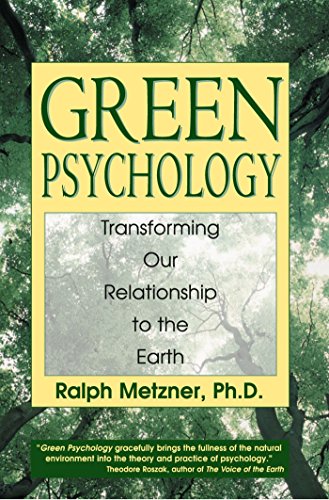
The intersection of ecological consciousness and mental health represents one of the most vital frontiers in contemporary psychology. When we examine our relationship with nature and the environment, we discover that it mirrors our inner psychological landscape. The wounds we carry—fragmentation, disconnection, anxiety, and a sense of meaninglessness—reflect our collective estrangement from the natural world. Conversely, reconnecting with nature offers profound opportunities for psychological integration and spiritual awakening.
This exploration reveals how our mental and emotional patterns are deeply intertwined with our ecological attitudes and behaviors. Fear and control underlie both our psychological defenses and our destructive relationship with the environment. Healing our inner world requires simultaneously healing our relationship with the outer world. When we recognize the sacred dimension of nature, we simultaneously recognize the sacred dimension of our own being. This integrated perspective transforms psychology from a purely individual endeavor into a holistic practice that encompasses our connection to all life.
Throughout this journey of discovery, readers encounter practical frameworks for understanding how environmental consciousness contributes to psychological wellness. The work addresses how our sense of identity expands when we include nature within our sense of self. This expansion moves us beyond the isolation of the individual ego toward an understanding of our interconnectedness with all beings. Such expansion naturally cultivates compassion, reduces anxiety, and provides a more stable foundation for authentic living.
The exploration also delves into how various psychological traditions—from humanistic psychology to transpersonal psychology—can be enriched by incorporating ecological awareness. Indigenous wisdom traditions understood intuitively what modern psychology is beginning to recognize: that human wholeness requires harmony with natural systems. This synthesis honors the scientific rigor of modern psychology while drawing upon the profound insights of cultures that maintained healthy relationships with the Earth.
Readers discover how practices such as nature immersion, wilderness experiences, and contemplative awareness in natural settings can catalyze genuine psychological transformation. These are not merely pleasant recreational activities but powerful therapeutic interventions that address the root causes of modern psychological suffering. Time in nature awakens us to our place within larger systems, diminishes the tyranny of the ego, and reconnects us with sources of meaning and purpose that transcend material concerns.
The work addresses the environmental crisis not as a distant political issue but as a reflection of our inner psychological crisis. Our exploitation of nature mirrors our exploitation of ourselves and each other. Conversely, cultivating respect and reverence for the natural world simultaneously cultivates self-respect and respect for others. This perspective shows how personal growth and environmental responsibility are not separate pursuits but different expressions of the same fundamental transformation.
This integrated approach offers hope and practical direction for those seeking genuine healing in an age of disconnection. By bridging psychology and ecology, spirituality and science, individual transformation and collective responsibility, readers gain access to a comprehensive framework for living with greater authenticity, purpose, and peace. The insights presented demonstrate that personal enlightenment and ecological consciousness are ultimately inseparable, and that healing ourselves means healing our relationship with the living world.