






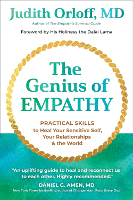

Childbirth stands as one of humanity's most profound experiences, yet modern culture has largely stripped it of its spiritual dimensions and natural wisdom. This groundbreaking exploration invites us to reconsider everything we thought we knew about bringing new life into the world and, in doing so, to fundamentally transform our understanding of love, partnership, and human connection.
The journey of pregnancy and birth represents far more than a biological process. It is an initiation into a deeper dimension of love, a time when the boundaries between self and other become beautifully blurred, and when the capacity for trust—both in oneself and in another person—reaches its deepest expression. Yet countless individuals have been conditioned to approach this sacred passage with fear, anxiety, and the belief that their bodies are inherently flawed or inadequate. The consequences of this fear-based paradigm extend far beyond the birth room, affecting how parents relate to their children, how partners support one another, and how we collectively understand the feminine experience.
This book presents a revolutionary perspective grounded in scientific understanding, anthropological wisdom, and decades of careful observation of birth across cultures and throughout history. The central premise is both simple and radical: fear during childbirth creates unnecessary suffering and complications, while an environment of safety, trust, and emotional support can transform birth into a profoundly positive experience. More importantly, how we birth has lasting implications for our capacity to love, bond, and connect with our partners and children.
Readers will discover how the production of natural hormones during undisturbed birth creates optimal conditions not just for physical safety, but for the deepest emotional bonding and neurological development. When birth unfolds naturally, without unnecessary medical intervention or psychological interference, mothers and babies experience a cascade of neurochemical events designed by nature to facilitate attachment, trust, and unconditional love. Understanding this process illuminates why the way we are born shapes our fundamental capacity for intimacy and relationship throughout our lives.
The exploration also addresses the critical role of the birth partner—typically the father or spouse—and how the quality of presence, confidence, and emotional attunement during labor directly influences both the mother's experience and the outcome of birth. This perspective reframes the birth partner from a passive observer or logistics manager into an active participant in one of life's most transformative experiences. It offers guidance on how partners can show up with genuine presence, how they can communicate confidence and trust when their loved one faces fear or doubt, and how the intimate vulnerability of birth can deepen the relationship between partners in ways that few other life experiences can match.
The book also examines how modern medical approaches, while often well-intentioned and sometimes necessary, have inadvertently created a culture of fear and disempowerment around birth. By separating birth from its emotional and relational context, focusing exclusively on risk management, and routinely intervening in natural processes, contemporary healthcare has transformed a normal life event into a medical crisis waiting to happen. Readers will gain perspective on when medical support is genuinely valuable and how to create integration between the wisdom of natural birth and the safety of modern medicine when appropriate.
Throughout this exploration, readers will encounter compelling evidence that our beliefs about childbirth matter tremendously. Expectations of pain and danger often become self-fulfilling prophecies, while belief in our capacity for birth and in the presence of loving support creates measurably different outcomes. This understanding applies to all the relationships in our lives—what we believe about our capacity for love, connection, and vulnerability shapes the relationships we create.
For anyone seeking to deepen their understanding of love, trust, partnership, and human potential, this book offers insights that resonate far beyond the birthing room. It invites us to reclaim birth as a sacred experience of connection, to trust in our bodies and each other, and to recognize that how we welcome new life into the world shapes not only our families but our entire society's capacity for love, compassion, and conscious connection.