















Happiness & Success
Achieving Happiness Through Acceptance of Life
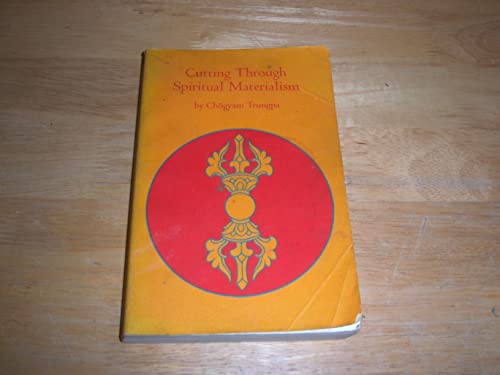
The quest for happiness often leads to frustration, as many fail to realize that the...

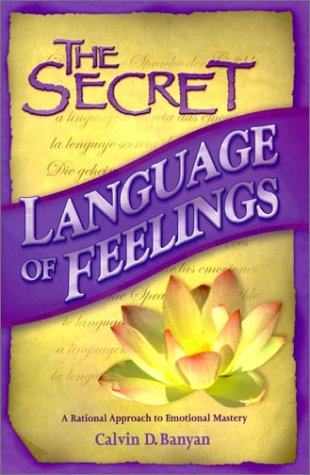
# Understanding the Hidden Language Within: A Path to Emotional Freedom and Personal Transformation
Emotions are the compass by which we navigate life, yet most of us have never truly learned to read them. We experience feelings as confusing signals that seem to arise unbidden, often overwhelming us or leaving us wondering why we react the way we do. What if these emotional responses weren't random or irrational, but rather a sophisticated communication system uniquely designed to guide us toward authenticity and wholeness? This exploration delves into that very possibility, revealing how understanding the deeper meaning behind our feelings can fundamentally transform our relationships, our decision-making, and our sense of personal power.
The foundation of personal empowerment rests on self-awareness, and there is no more direct path to genuine self-knowledge than through understanding the language emotions speak. Every feeling that arises within us carries information. Anger speaks a different message than sadness. Anxiety communicates something distinct from loneliness. Yet most people move through life treating emotions as obstacles to overcome rather than messengers to understand. This creates a disconnection from our inner wisdom that leaves us reactive, confused, and often repeating patterns that no longer serve us.
Read more ▼
Erdoes, Richard

Kenneth W. Christian

Kimberly Ripley

Nicolya Christi
The quest for happiness often leads to frustration, as many fail to realize that the...

Reaching sixty can evoke complex emotions, blending relief with ongoing ambition. This...

The quest for life's purpose often leads to unsatisfactory answers. This article...

Romantic love is a complex emotion shaped by historical, cultural, and biological...

Imagine going through one of the most physically and emotionally demanding experiences...

Have you ever argued over something that wasn't actually said? From cultural differences...

Daily actions often conflict with personal beliefs due to past experiences. By utilizing...

Therapists often use dream interpretation to delve into patients' emotions, but true...