









Happiness & Success
Achieving Happiness Through Acceptance of Life
The quest for happiness often leads to frustration, as many fail to realize that the...

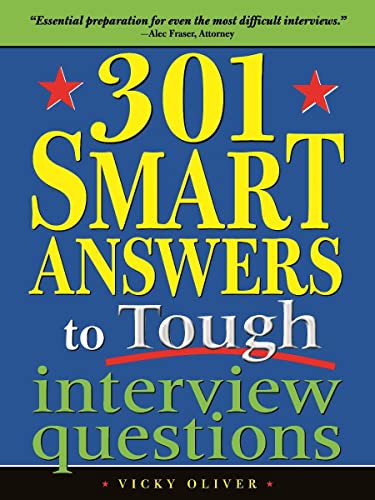
Job interviews represent one of life's most pivotal moments for self-presentation and personal advocacy. These high-stakes conversations determine not just employment opportunities, but also career trajectories, financial security, and the ability to express one's gifts in meaningful work. Yet for many people, interviews trigger anxiety, self-doubt, and a paralyzing fear of saying the wrong thing. Understanding how to navigate these critical conversations with confidence and authenticity represents a powerful form of personal empowerment.
This comprehensive guide transforms the interview process from an ordeal into an opportunity for genuine self-expression and connection. Rather than promoting superficial tactics or manipulative strategies, it offers readers a framework for presenting their authentic selves while strategically addressing the concerns and questions that hiring managers genuinely need answered. The approach recognizes that successful interviewing isn't about pretending to be someone you're not, but rather about learning to articulate your genuine value, experience, and potential in language that resonates with decision-makers.
The collection addresses three hundred and one of the most challenging questions candidates face, from straightforward inquiries about work history to complex behavioral scenarios and pointed questions about weaknesses, failures, and gaps in employment. Each question receives thoughtful analysis that goes beyond providing a stock answer. Readers learn to understand what interviewers are really asking beneath the surface, what concerns drive particular lines of questioning, and how to craft responses that are simultaneously honest and strategic.
Read more ▼
Thom Hartmann, Michael Popkin

Steven Levitsky, Daniel Ziblatt

Michael Lerner
The quest for happiness often leads to frustration, as many fail to realize that the...

Reaching sixty can evoke complex emotions, blending relief with ongoing ambition. This...

The quest for life's purpose often leads to unsatisfactory answers. This article...

Romantic love is a complex emotion shaped by historical, cultural, and biological...

Imagine going through one of the most physically and emotionally demanding experiences...

Have you ever argued over something that wasn't actually said? From cultural differences...

Daily actions often conflict with personal beliefs due to past experiences. By utilizing...

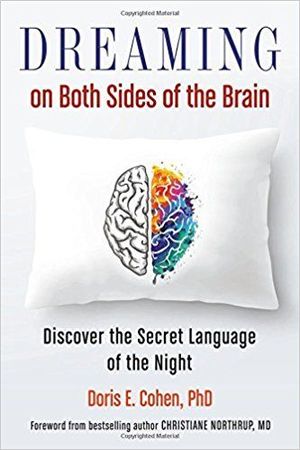
Therapists often use dream interpretation to delve into patients' emotions, but true...