












Happiness & Success
Achieving Happiness Through Acceptance of Life
The quest for happiness often leads to frustration, as many fail to realize that the...

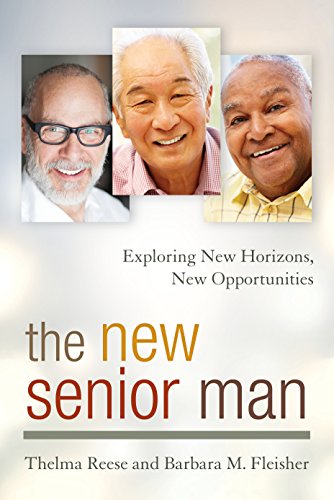
Aging presents one of life's most profound opportunities for reinvention, yet society often treats the senior years as a time of decline rather than emergence. For men navigating the terrain of their later decades, cultural narratives frequently offer only diminishing expectations and outdated stereotypes. Breaking through these limiting beliefs opens pathways to unprecedented personal freedom, deeper relationships, and authentic self-expression that may have remained dormant throughout the demands of middle age.
The journey into senior manhood invites a fundamental reimagining of masculine identity itself. Throughout their working years, many men define themselves primarily through career achievements, provider roles, and societal expectations that leave little room for emotional depth or spiritual exploration. As retirement approaches and life circumstances shift, an opening emerges to question these inherited definitions and construct a more holistic understanding of what it means to be a man in the wisdom years.
This exploration begins with honest self-assessment, examining the beliefs and behaviors accumulated over decades. Many men discover they've been living according to scripts written by others, fulfilling obligations that no longer resonate with their authentic selves. The senior years offer permission to release these outdated patterns and embrace aspects of personality and interest previously considered impractical or inappropriate. This might mean pursuing creative passions, developing emotional literacy, or simply allowing vulnerability to replace the armor of invulnerability that served in earlier chapters.
Read more ▼
Jack Kornfield
The Life-Changing Power of Sophrology
Dominique Antiglio

Richard Wagamese, Richard Wagamese
Daron Acemoglu, James A. Robinson
The quest for happiness often leads to frustration, as many fail to realize that the...

Reaching sixty can evoke complex emotions, blending relief with ongoing ambition. This...

The quest for life's purpose often leads to unsatisfactory answers. This article...

Imagine going through one of the most physically and emotionally demanding experiences...

Romantic love is a complex emotion shaped by historical, cultural, and biological...

Daily actions often conflict with personal beliefs due to past experiences. By utilizing...

Have you ever argued over something that wasn't actually said? From cultural differences...

Therapists often use dream interpretation to delve into patients' emotions, but true...