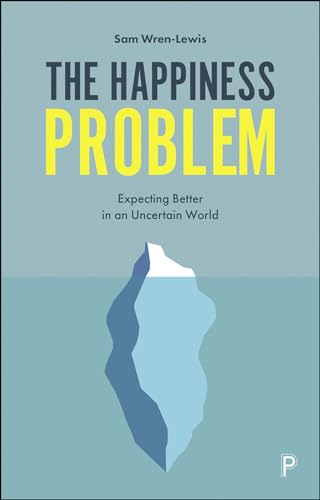

















What if our collective obsession with happiness has become a political problem rather than a personal solution? What if the very frameworks we use to understand wellbeing have been quietly co-opted to serve interests that have little to do with genuine human flourishing?
Contemporary Western societies have witnessed an explosion of interest in happiness and wellbeing over the past few decades. From positive psychology workshops to corporate mindfulness programs, from government wellbeing indices to self-help bestsellers, the pursuit of happiness has become ubiquitous. Yet beneath this cheerful surface lies a troubling paradox: despite unprecedented access to happiness advice and interventions, rates of anxiety, depression, and psychological distress continue to climb. Something fundamental has gone wrong with how we think about and pursue happiness.
At the heart of this exploration lies a radical proposition: happiness has been transformed from a natural human aspiration into an ideology that serves particular political and economic interests. When wellbeing becomes something to be measured, optimized, and managed at scale, it ceases to be about authentic human experience and becomes instead a tool of governance and control. The frameworks that promise liberation often deliver subtle forms of constraint.
Readers will discover how the science of happiness, despite its veneer of objectivity, is deeply embedded in contested political assumptions. The metrics we use to measure wellbeing reflect particular values about what makes life worth living, what counts as success, and what kinds of societies we should build. These are not neutral technical questions but profound moral and political choices that shape how resources are distributed, how social problems are understood, and whose voices are heard in public discourse.
The journey through these pages reveals how happiness discourse often functions as a depoliticizing force. When social problems are reframed as problems of individual mindset and emotional regulation, attention shifts away from structural causes and collective solutions. If poverty is fundamentally a happiness problem that can be addressed through resilience training and cognitive reframing, why worry about wages, housing, or healthcare? If workplace stress can be managed through meditation apps, why question exploitative labor practices or inadequate employment protections? The promise of psychological solutions can become a substitute for political action.
Yet this is not a cynical dismissal of wellbeing or a return to the notion that politics should ignore how people actually experience their lives. Instead, what emerges is a more sophisticated understanding of how authentic concern for human flourishing can be reclaimed from the ideological uses to which it has been put. The distinction between using wellbeing evidence to inform democratic decision-making and using happiness science to legitimate predetermined political agendas becomes crucial.
Readers will gain critical tools for evaluating the happiness industry and its claims. What interests are served when employers invest in wellbeing programs while resisting calls for better pay and conditions? What assumptions underlie the rankings of happiest countries, and what do they obscure? How do therapeutic approaches to social problems reshape our understanding of citizenship and collective responsibility? These questions open up new ways of thinking about the relationship between personal experience and political structures.
The exploration also illuminates how different political traditions approach questions of human flourishing in fundamentally different ways. Liberal approaches emphasizing individual choice and preference satisfaction stand in tension with communitarian visions of the good life rooted in shared values and social connection. Social democratic perspectives highlight material security and equality as preconditions for wellbeing, while libertarian viewpoints see freedom from interference as paramount. Understanding these competing frameworks helps readers develop their own considered positions rather than unconsciously absorbing the assumptions embedded in dominant happiness discourse.
Perhaps most importantly, what unfolds across these pages is an invitation to think more carefully about what truly matters for a good life and a good society. By revealing how happiness has been deployed as a political concept, space opens for more authentic conversations about human needs, social justice, and collective flourishing. The goal is not to abandon concern for wellbeing but to rescue it from the ideological uses that constrain rather than enable genuine human thriving.
For anyone interested in the intersection of personal wellbeing and social transformation, this exploration offers indispensable insights into one of the defining features of contemporary political culture.