




Happiness & Success
Achieving Happiness Through Acceptance of Life
The quest for happiness often leads to frustration, as many fail to realize that the...

Democracy thrives when citizens engage thoughtfully with the political process, yet many people feel disconnected, disillusioned, or overwhelmed by the complexities of modern governance. This comprehensive guide bridges the gap between political awareness and personal empowerment, offering readers a pathway to meaningful civic participation grounded in conscious understanding and spiritual awareness.
At its core, this work examines how personal growth and political engagement are intrinsically connected. Far from being separate spheres of existence, our inner development and our role as citizens inform and enhance each other. Readers discover how cultivating mindfulness, compassion, and self-awareness directly translates into more effective and authentic political participation. The exploration begins with fundamental questions about what it means to be an engaged citizen in the twenty-first century, challenging readers to move beyond passive observation toward active, informed involvement in shaping their communities and societies.
The content delves into the psychological and emotional barriers that prevent people from fully participating in democratic processes. Many individuals feel their voices don't matter, that political systems are too corrupt or complicated to influence, or that they lack sufficient knowledge to contribute meaningfully. These limiting beliefs are systematically addressed, with practical strategies for overcoming apathy, fear, and cynicism. Readers learn to recognize how these internal obstacles mirror larger societal patterns, and how personal transformation can catalyze broader social change.
Read more ▼
Michael E. Mann
How quantum activism can save civilization
Amit Goswami

E. M. Forster
On Tyranny: Twenty Lessons From the Twentieth Century
Timothy Snyder
The quest for happiness often leads to frustration, as many fail to realize that the...

Reaching sixty can evoke complex emotions, blending relief with ongoing ambition. This...

The quest for life's purpose often leads to unsatisfactory answers. This article...

Romantic love is a complex emotion shaped by historical, cultural, and biological...

Imagine going through one of the most physically and emotionally demanding experiences...

Have you ever argued over something that wasn't actually said? From cultural differences...

Daily actions often conflict with personal beliefs due to past experiences. By utilizing...

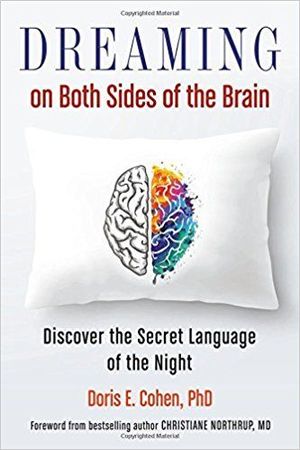
Therapists often use dream interpretation to delve into patients' emotions, but true...