





Happiness & Success
Achieving Happiness Through Acceptance of Life
The quest for happiness often leads to frustration, as many fail to realize that the...

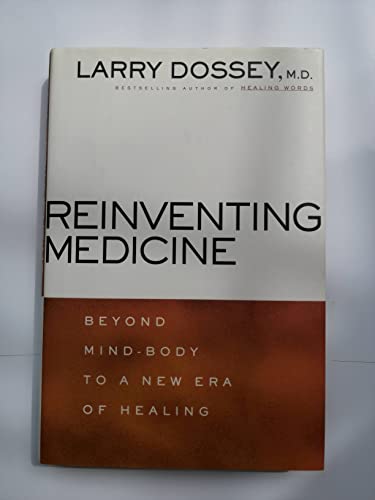
The landscape of healthcare stands at a pivotal crossroads, where the mechanistic model of medicine that has dominated Western thought for centuries now faces compelling challenges from emerging scientific evidence. This groundbreaking work explores how consciousness, prayer, intention, and non-local healing phenomena are forcing a radical reassessment of what medicine can and should be in the twenty-first century.
Drawing on decades of clinical experience and rigorous scientific research, this exploration presents three distinct eras of medicine. Era I represents the conventional mechanical approach, where the body is viewed as a biological machine and treatments focus solely on physical interventions like drugs and surgery. Era II introduces mind-body medicine, acknowledging how thoughts, emotions, and attitudes directly influence physical health. But it is Era III medicine that represents the most revolutionary shift: the recognition that consciousness is not confined to individual bodies and can act in ways that transcend time and space.
The evidence presented for this third era is both extensive and startling. Hundreds of controlled studies demonstrate that prayer and distant healing intentions can measurably affect everything from wound healing rates to bacterial growth, from blood pressure to recovery from surgery. These effects occur regardless of whether recipients are aware they are being prayed for, suggesting something far more profound than mere placebo effects. The implications challenge fundamental assumptions about the nature of consciousness, the boundaries of the self, and the mechanisms through which healing occurs.
Read more ▼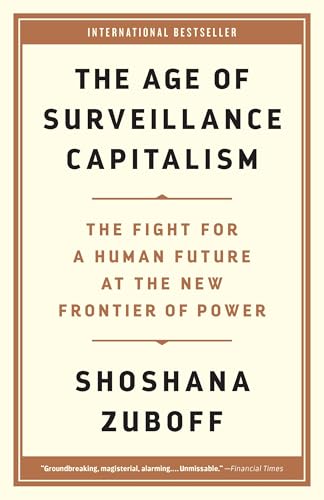
The Age of Surveillance Capitalism
Shoshana Zuboff
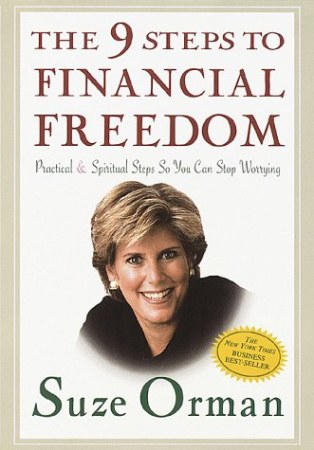
The nine steps to financial freedom
Suze Orman
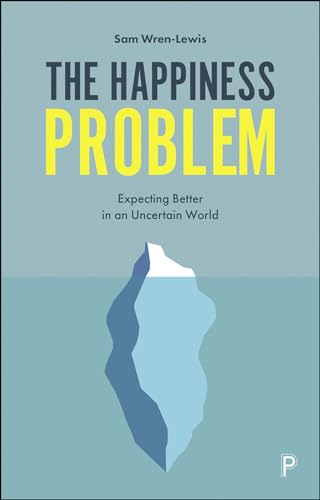
Sam Wren-Lewis
The quest for happiness often leads to frustration, as many fail to realize that the...

Reaching sixty can evoke complex emotions, blending relief with ongoing ambition. This...

The quest for life's purpose often leads to unsatisfactory answers. This article...

Romantic love is a complex emotion shaped by historical, cultural, and biological...

Imagine going through one of the most physically and emotionally demanding experiences...

Have you ever argued over something that wasn't actually said? From cultural differences...

Daily actions often conflict with personal beliefs due to past experiences. By utilizing...

Therapists often use dream interpretation to delve into patients' emotions, but true...