

















Happiness & Success
Achieving Happiness Through Acceptance of Life
The quest for happiness often leads to frustration, as many fail to realize that the...

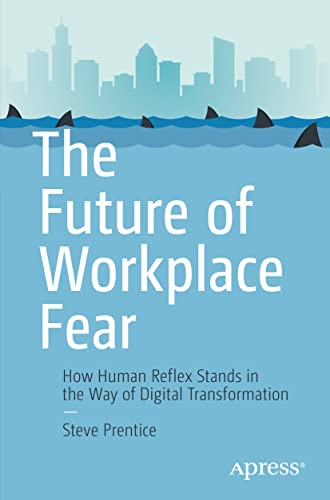
Fear in the workplace has become an epidemic that silently erodes productivity, creativity, and human potential. Every day, millions of professionals wake up with a sense of dread about their jobs, their futures, and their ability to keep pace with relentless technological change. This pervasive anxiety doesn't just affect individual well-being; it creates toxic organizational cultures that stifle innovation and genuine human connection.
At the heart of workplace fear lies a fundamental disconnect between how we've been conditioned to work and the rapidly evolving demands of modern professional life. Traditional employment models promised stability in exchange for loyalty and hard work, but those promises have largely dissolved. Automation threatens to replace human workers, artificial intelligence continues to advance at an unprecedented pace, and the social contracts that once governed employer-employee relationships have fundamentally shifted. Workers at every level find themselves questioning their relevance and wondering how long their skills will remain valuable.
What makes workplace fear particularly insidious is how it manifests in both obvious and subtle ways. There's the paralyzing anxiety about job security that keeps people trapped in unfulfilling positions. There's the impostor syndrome that convinces talented professionals they're frauds about to be exposed. There's the fear of speaking up in meetings, the terror of making mistakes, and the constant worry about falling behind technologically savvy younger colleagues. These fears don't just live in our minds; they create physical stress responses that impact health, relationships, and overall quality of life.
Read more ▼
Protecting your internet identity
Ted Claypoole

Sri Yukteswar Giri
Cal Newport

The integral management of Tao
Stephen T. Chang
The quest for happiness often leads to frustration, as many fail to realize that the...

Reaching sixty can evoke complex emotions, blending relief with ongoing ambition. This...

The quest for life's purpose often leads to unsatisfactory answers. This article...

Romantic love is a complex emotion shaped by historical, cultural, and biological...

Imagine going through one of the most physically and emotionally demanding experiences...

Have you ever argued over something that wasn't actually said? From cultural differences...

Daily actions often conflict with personal beliefs due to past experiences. By utilizing...

Therapists often use dream interpretation to delve into patients' emotions, but true...