


















Happiness & Success
Achieving Happiness Through Acceptance of Life
The quest for happiness often leads to frustration, as many fail to realize that the...

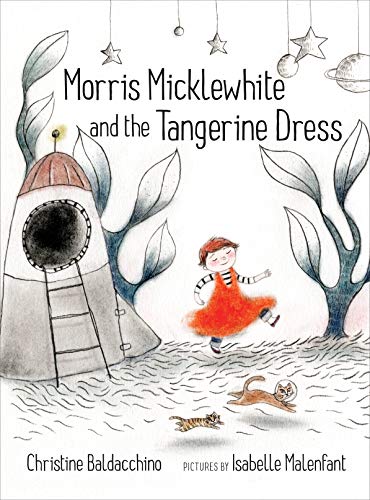
Young children possess an innate wisdom about authenticity that adults often spend years trying to reclaim. They understand, without need for explanation, that dressing up and imaginative play allow them to explore different aspects of themselves and the world around them. When a young boy discovers a tangerine-colored dress in the classroom dress-up center and feels drawn to its beauty and the way it makes him feel, he embarks on a journey that offers profound lessons about self-acceptance, resilience, and the courage to honor one's true nature despite external judgment.
This beautifully illustrated children's story addresses one of the most fundamental challenges in human psychology: the conflict between authentic self-expression and social conformity. Through the eyes of a kindergarten-aged protagonist, readers witness the universal struggle of staying true to oneself when faced with criticism, rejection, and misunderstanding from peers. The narrative demonstrates how gender expectations are learned behaviors, often enforced through peer pressure and social conditioning, even among very young children.
What makes this story particularly valuable for personal growth and psychological understanding is its honest portrayal of both the pain of social rejection and the healing power of imagination and inner strength. When the young protagonist faces teasing and exclusion from classmates who cannot understand his choice, he doesn't simply abandon his authentic preference. Instead, he temporarily withdraws, creating an inner world where he can be fully himself. This retreat into imagination serves as a powerful coping mechanism, offering readers insight into how creative visualization and inner refuge can sustain us through difficult periods.
Read more ▼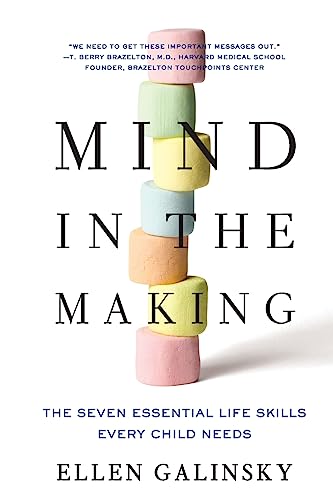
Ellen Galinsky
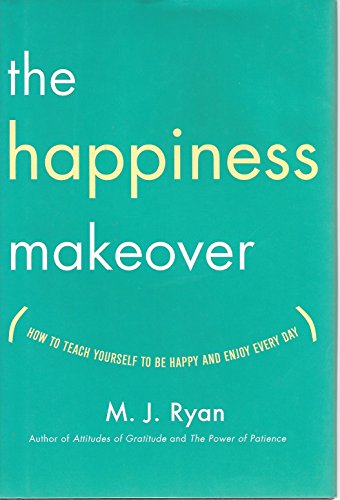
Ryan, M. J.
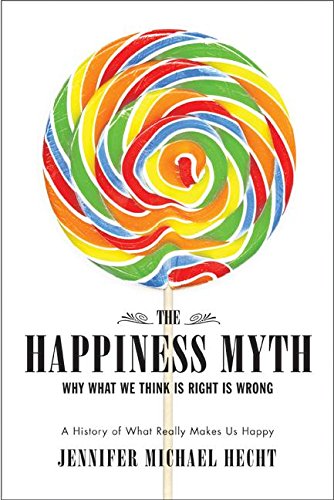
Jennifer Michael Hecht
The quest for happiness often leads to frustration, as many fail to realize that the...

Reaching sixty can evoke complex emotions, blending relief with ongoing ambition. This...

The quest for life's purpose often leads to unsatisfactory answers. This article...

Romantic love is a complex emotion shaped by historical, cultural, and biological...

Imagine going through one of the most physically and emotionally demanding experiences...

Have you ever argued over something that wasn't actually said? From cultural differences...

Daily actions often conflict with personal beliefs due to past experiences. By utilizing...

Therapists often use dream interpretation to delve into patients' emotions, but true...