
















Happiness & Success
Achieving Happiness Through Acceptance of Life
The quest for happiness often leads to frustration, as many fail to realize that the...

At a time when humanity's relationship with the natural world stands at a critical crossroads, understanding the philosophical foundations of environmental thought has never been more essential. This groundbreaking collection brings together the most influential voices in a movement that challenges the very assumptions underlying our ecological crisis, offering readers a transformative framework for reimagining our place within the web of life.
The deep ecology movement represents a profound shift from conventional environmentalism. Rather than treating nature as a resource to be managed or conserved for human benefit, this philosophical approach recognizes the intrinsic value of all living beings and ecosystems. Readers will discover how this paradigm challenges the anthropocentric worldview that has dominated Western thought for centuries, proposing instead an ecocentric perspective that acknowledges humanity as one strand in the intricate tapestry of life rather than its master or manager.
Through carefully curated essays and writings from pioneering thinkers, this volume traces the intellectual and spiritual roots of deep ecology across diverse traditions. From indigenous wisdom and Eastern philosophy to contemporary ecological science and activism, the contributions reveal how various cultures and disciplines have long understood what modern industrial society has forgotten: that human flourishing is inseparable from the flourishing of the entire Earth community. Readers will encounter perspectives that draw from Buddhism, Taoism, Native American spirituality, and Western philosophy, creating a rich dialogue that transcends cultural boundaries.
Read more ▼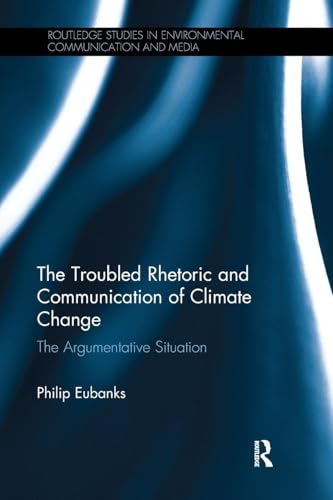
Troubled Rhetoric and Communication of Climate Change
Philip Eubanks

Cindy Conner
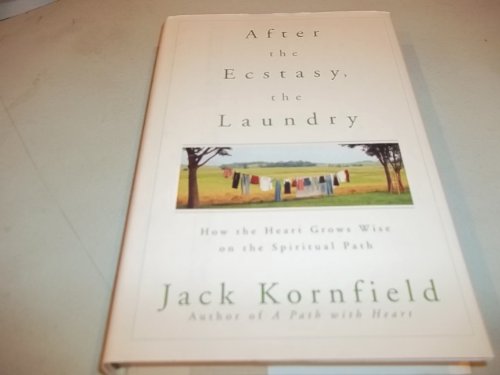
After the Ecstasy, the Laundry
Jack Kornfield
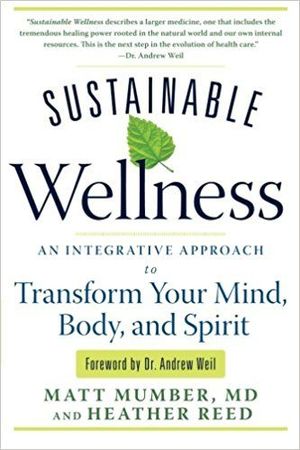
Matthew P. Mumber
The quest for happiness often leads to frustration, as many fail to realize that the...

Reaching sixty can evoke complex emotions, blending relief with ongoing ambition. This...

The quest for life's purpose often leads to unsatisfactory answers. This article...

Romantic love is a complex emotion shaped by historical, cultural, and biological...

Imagine going through one of the most physically and emotionally demanding experiences...

Have you ever argued over something that wasn't actually said? From cultural differences...

Daily actions often conflict with personal beliefs due to past experiences. By utilizing...

Therapists often use dream interpretation to delve into patients' emotions, but true...