















Happiness & Success
Achieving Happiness Through Acceptance of Life
The quest for happiness often leads to frustration, as many fail to realize that the...


Yoga represents far more than physical exercise or stress relief techniques. When understood in its fullest dimension, it offers a comprehensive framework for addressing the profound disconnection that characterizes modern society—a disconnection between individuals and their authentic selves, between communities and their members, and between humanity and the natural world. This exploration of yogic philosophy presents a vision of personal transformation that naturally extends outward to create healthier, more conscious social structures.
The practice begins with the individual body and mind, yet its implications reach into every corner of how we organize our economic systems, relate to one another, and structure our communities. Through accessible teachings drawn from decades of dedicated practice and instruction, readers discover how ancient wisdom traditions offer surprisingly relevant solutions to contemporary challenges. The relationship between personal discipline and social responsibility becomes clear as the text examines how inner transformation inevitably influences outer circumstances.
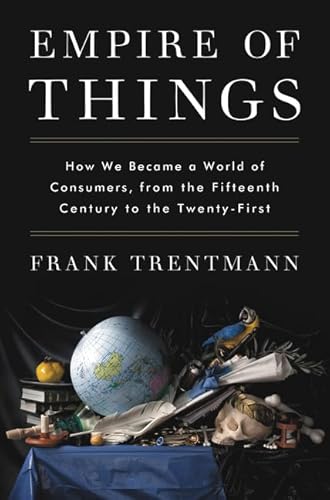
One of the most valuable aspects of this teaching concerns the concept of contentment and its radical implications for consumer culture. Modern economies depend upon manufactured dissatisfaction, constantly creating new desires and convincing people their happiness depends on external acquisitions. In contrast, yogic philosophy offers tools for cultivating genuine satisfaction from within, not through denial or asceticism, but through deeper understanding of what truly nourishes human wellbeing. This shift in consciousness has profound economic implications, suggesting pathways toward more sustainable models of consumption and production.
Read more ▼
The quest for happiness often leads to frustration, as many fail to realize that the...

Reaching sixty can evoke complex emotions, blending relief with ongoing ambition. This...

The quest for life's purpose often leads to unsatisfactory answers. This article...

Romantic love is a complex emotion shaped by historical, cultural, and biological...

Imagine going through one of the most physically and emotionally demanding experiences...

Have you ever argued over something that wasn't actually said? From cultural differences...

Daily actions often conflict with personal beliefs due to past experiences. By utilizing...

Therapists often use dream interpretation to delve into patients' emotions, but true...