








Happiness & Success
Achieving Happiness Through Acceptance of Life
The quest for happiness often leads to frustration, as many fail to realize that the...

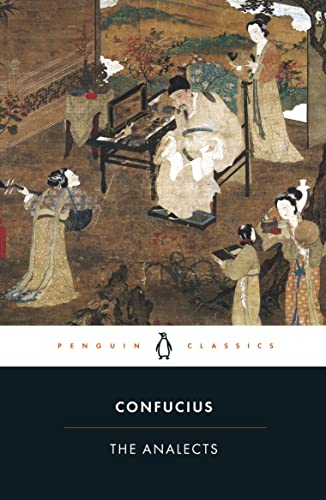
At the heart of ancient Chinese wisdom lies a collection of dialogues and sayings that have shaped Eastern philosophy for over two millennia, offering timeless guidance for those seeking to cultivate personal excellence, ethical leadership, and harmonious relationships. These teachings present a comprehensive framework for self-improvement that remains strikingly relevant to modern seekers of personal empowerment and spiritual growth.
The text unfolds as a series of conversational exchanges between a great teacher and his disciples, supplemented by observations about exemplary conduct and reflections on virtue. Rather than presenting abstract philosophical theories, the wisdom shared here emerges through practical discussions about everyday situations, moral dilemmas, and questions of how to live with integrity and purpose. This approach makes the profound insights accessible and immediately applicable to contemporary life challenges.
Central to these teachings is the concept of becoming a superior person through continuous self-cultivation. Readers will discover that personal transformation begins with examining one's character, motivations, and actions with ruthless honesty. The text emphasizes that true empowerment comes not from external achievements or social status, but from developing inner qualities such as benevolence, righteousness, propriety, wisdom, and trustworthiness. These virtues form the foundation of authentic personal power that cannot be taken away by circumstances.
Read more ▼
David Ian Cowan

Joseph Francis Fletcher

John Perkins

Thomas J. Fox
The quest for happiness often leads to frustration, as many fail to realize that the...

Reaching sixty can evoke complex emotions, blending relief with ongoing ambition. This...

The quest for life's purpose often leads to unsatisfactory answers. This article...

Romantic love is a complex emotion shaped by historical, cultural, and biological...

Imagine going through one of the most physically and emotionally demanding experiences...

Have you ever argued over something that wasn't actually said? From cultural differences...

Daily actions often conflict with personal beliefs due to past experiences. By utilizing...

Therapists often use dream interpretation to delve into patients' emotions, but true...