













Happiness & Success
Achieving Happiness Through Acceptance of Life
The quest for happiness often leads to frustration, as many fail to realize that the...

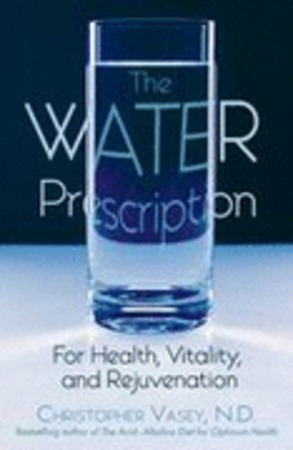
Water stands as one of the most fundamental elements of human existence, yet few people truly understand its profound impact on health, vitality, and overall well-being. Despite drinking liquids throughout the day, many individuals remain chronically dehydrated without even realizing it, leading to a cascade of health problems that could be easily prevented or reversed through proper hydration practices.
Dehydration represents far more than simple thirst. When the body lacks adequate water, every system suffers. Cells cannot function optimally, toxins accumulate rather than being flushed away, blood thickens and circulates less efficiently, and organs struggle to perform their essential duties. What many dismiss as inevitable signs of aging or stress—fatigue, headaches, digestive issues, joint pain, dry skin, and mental fog—often stem directly from insufficient water intake. By understanding the critical role of proper hydration, readers gain access to a simple yet powerful tool for transformation that costs virtually nothing and lies within everyone's immediate reach.
The comprehensive exploration of water's healing properties reveals how this essential substance serves as the body's primary solvent, transport medium, temperature regulator, and cleansing agent. Every metabolic process depends upon adequate hydration. Nutrients cannot reach cells without sufficient fluid to carry them through the bloodstream. Waste products remain trapped in tissues when water levels drop too low to facilitate their removal. The kidneys, liver, lymphatic system, and skin all require ample water to perform their detoxification functions effectively.
Read more ▼
Lee Carroll, Jan Tober

You can heal your life companion book
Louise L. Hay
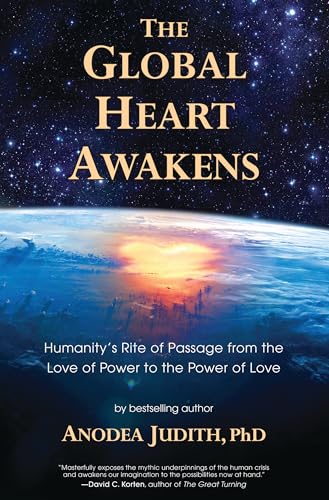
Anodea Judith

The reenchantment of the world
Morris Berman
The quest for happiness often leads to frustration, as many fail to realize that the...

Reaching sixty can evoke complex emotions, blending relief with ongoing ambition. This...

The quest for life's purpose often leads to unsatisfactory answers. This article...

Romantic love is a complex emotion shaped by historical, cultural, and biological...

Imagine going through one of the most physically and emotionally demanding experiences...

Have you ever argued over something that wasn't actually said? From cultural differences...

Daily actions often conflict with personal beliefs due to past experiences. By utilizing...

Therapists often use dream interpretation to delve into patients' emotions, but true...