























Happiness & Success
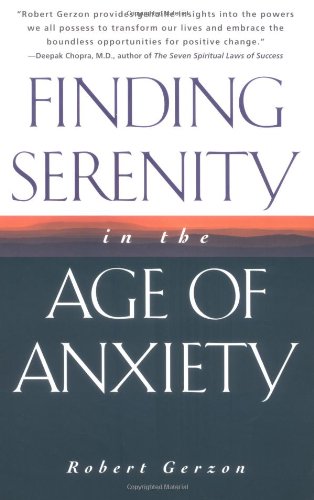
Achieving Happiness Through Acceptance of Life
The quest for happiness often leads to frustration, as many fail to realize that the...

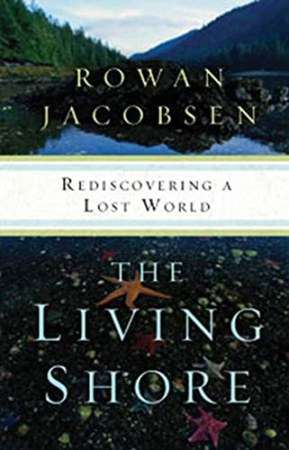
Beneath the surface of our coastal waters lies an ancient architect, a humble creature that has quietly shaped civilizations, protected shorelines, and sustained entire ecosystems for millions of years. This remarkable exploration reveals how oysters—often overlooked and undervalued—hold profound lessons about resilience, restoration, and our interconnected relationship with the natural world.
At the heart of this compelling narrative is a story of transformation that mirrors our own potential for renewal and positive change. Oyster reefs, once sprawling underwater cities that rivaled coral reefs in their biodiversity and productivity, have largely vanished from our coasts. Their disappearance represents not just an environmental loss but a disconnection from the wisdom these creatures embody about cooperation, filtering toxins, and creating habitats that benefit countless other species. The journey through oyster restoration efforts across America's coastlines becomes a metaphor for personal and collective awakening—demonstrating that what seems lost can be recovered, and that individual actions can catalyze profound healing.
Readers discover how these bivalves perform extraordinary acts of purification, with a single oyster filtering up to fifty gallons of water daily, removing excess nitrogen, sediment, and pollutants. This natural cleansing mirrors the spiritual and emotional purification many seek in their own lives. The oyster's patient, persistent work of transforming murky, troubled waters into clarity offers a powerful template for addressing the pollution in our minds, relationships, and communities. There's a meditation here on the value of slow, steady transformation versus quick fixes—a lesson particularly relevant in our instant-gratification culture.
Read more ▼
The quest for happiness often leads to frustration, as many fail to realize that the...

Reaching sixty can evoke complex emotions, blending relief with ongoing ambition. This...

The quest for life's purpose often leads to unsatisfactory answers. This article...

Imagine going through one of the most physically and emotionally demanding experiences...

Romantic love is a complex emotion shaped by historical, cultural, and biological...

Daily actions often conflict with personal beliefs due to past experiences. By utilizing...

Have you ever argued over something that wasn't actually said? From cultural differences...

Therapists often use dream interpretation to delve into patients' emotions, but true...