









Happiness & Success
Achieving Happiness Through Acceptance of Life
The quest for happiness often leads to frustration, as many fail to realize that the...

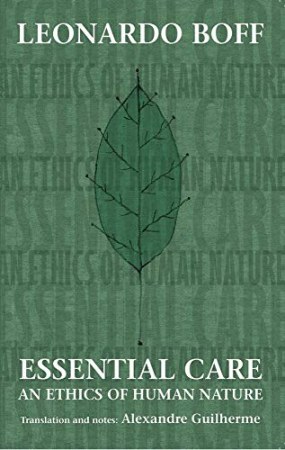
At the heart of human existence lies a fundamental choice that shapes not only our individual lives but the future of our planet: the choice between domination and care. This profound exploration of ethics, spirituality, and human consciousness challenges readers to reconsider the very foundations upon which modern civilization has been built and invites us to embrace a paradigm that could transform everything from our personal relationships to our relationship with Earth itself.
Drawing from decades of theological reflection, philosophical inquiry, and engagement with ecological concerns, this work presents care not merely as an occasional virtue or sentimental feeling, but as an essential dimension of human existence. Care emerges as the fundamental mode through which we can authentically engage with ourselves, others, and the living world around us. It represents a radical alternative to the prevailing paradigm of conquest, exploitation, and technological domination that has characterized much of Western civilization and brought humanity to the brink of ecological catastrophe.
The framework presented here weaves together insights from diverse wisdom traditions, contemporary science, and liberation theology to create a compelling vision of what it means to be fully human in the twenty-first century. Readers will discover how the logic of care differs fundamentally from the logic of control, and why this distinction matters urgently in our current historical moment. Where domination seeks to possess, manipulate, and extract, care seeks to nurture, protect, and sustain. Where power over defines the dominant paradigm, care embodies power with and power for.
Read more ▼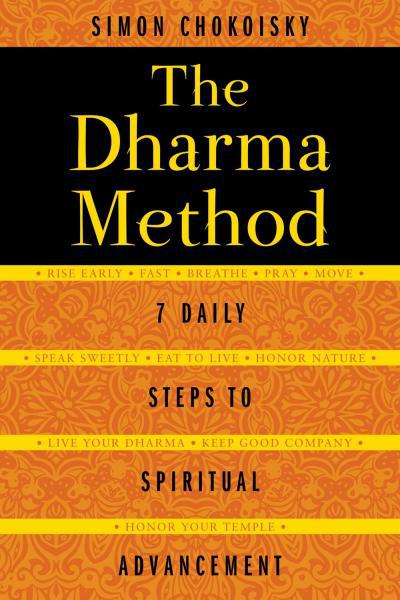
Simon Chokoisky
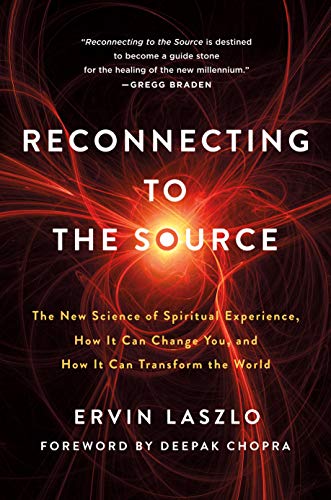
Ervin Laszlo, Deepak Chopra

A. Roger Ekirch, Roger A. Ekirch

Angela Garner, Victoria Nicholls
The quest for happiness often leads to frustration, as many fail to realize that the...

Reaching sixty can evoke complex emotions, blending relief with ongoing ambition. This...

The quest for life's purpose often leads to unsatisfactory answers. This article...

Imagine going through one of the most physically and emotionally demanding experiences...

Romantic love is a complex emotion shaped by historical, cultural, and biological...

Daily actions often conflict with personal beliefs due to past experiences. By utilizing...

Have you ever argued over something that wasn't actually said? From cultural differences...

Therapists often use dream interpretation to delve into patients' emotions, but true...