













Happiness & Success
Achieving Happiness Through Acceptance of Life
The quest for happiness often leads to frustration, as many fail to realize that the...

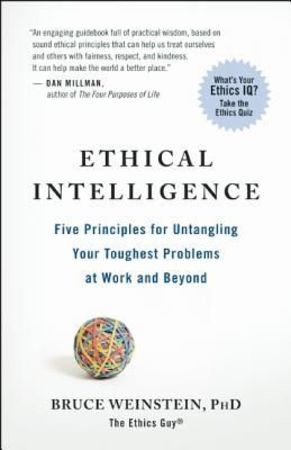
Making the right choices in our daily lives often feels more complicated than it should be. We find ourselves wrestling with decisions at work, navigating tricky situations with family members, or wondering how to respond when our values clash with those around us. What many of us don't realize is that beneath all these seemingly different dilemmas lies a simple, powerful framework that can guide us through virtually any ethical challenge we face.
At the heart of this framework are five core principles that serve as the foundation for every meaningful decision we make: Do No Harm, Make Things Better, Respect Others, Be Fair, and Be Loving. These aren't abstract philosophical concepts reserved for academic debate. They're practical, actionable guidelines that can transform how we approach everything from workplace conflicts to parenting decisions, from romantic relationships to professional ambitions.
The beauty of this approach lies in its accessibility. Rather than requiring years of philosophical training or complex moral calculations, these principles offer clear direction that anyone can understand and apply immediately. When facing a difficult choice, we can ask ourselves straightforward questions: Will this action cause harm? Does it improve the situation? Am I treating others with the respect they deserve? Is this fair to everyone involved? Am I acting with genuine care and compassion?
Read more ▼
James F. Twyman

O'Donohue, John
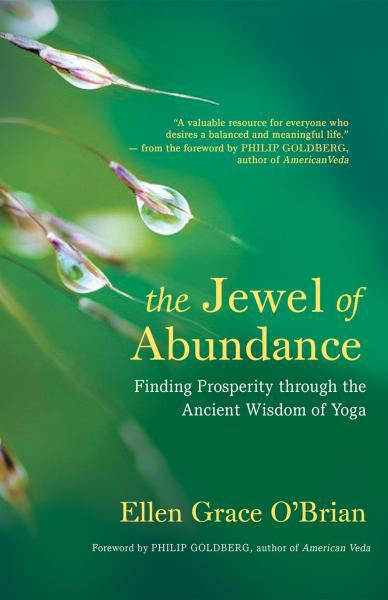
Ellen Grace O'Brian

Herman Melville
The quest for happiness often leads to frustration, as many fail to realize that the...

Reaching sixty can evoke complex emotions, blending relief with ongoing ambition. This...

The quest for life's purpose often leads to unsatisfactory answers. This article...

Imagine going through one of the most physically and emotionally demanding experiences...

Romantic love is a complex emotion shaped by historical, cultural, and biological...

Daily actions often conflict with personal beliefs due to past experiences. By utilizing...

Have you ever argued over something that wasn't actually said? From cultural differences...

Therapists often use dream interpretation to delve into patients' emotions, but true...