














Happiness & Success
Achieving Happiness Through Acceptance of Life
The quest for happiness often leads to frustration, as many fail to realize that the...

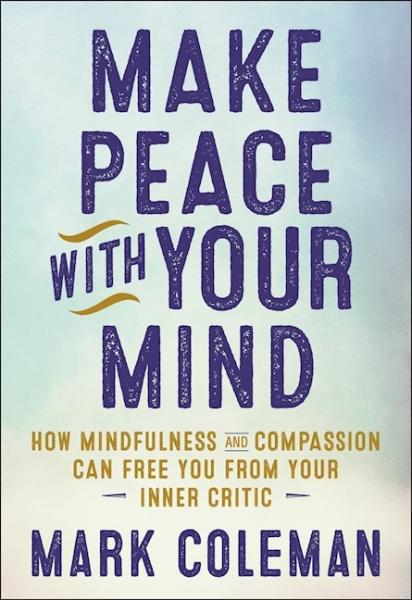
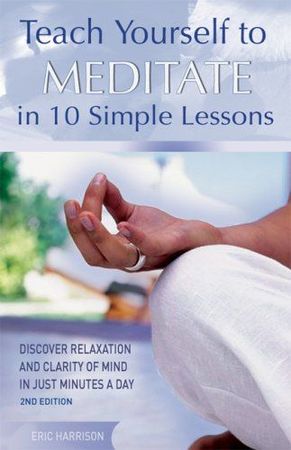
Our relationship with our own minds can be the source of our greatest suffering or our deepest peace. For many people, the constant chatter of thoughts, worries about the future, regrets about the past, and harsh self-criticism create an internal environment of perpetual stress and anxiety. Learning to transform this relationship through mindfulness and compassionate awareness offers a pathway to profound inner freedom and lasting well-being.
At the heart of this transformative guide lies a simple yet powerful truth: the mind, when left untrained, tends to generate suffering through its endless stream of judgments, comparisons, and storylines. However, through the practice of mindfulness meditation and the cultivation of self-compassion, anyone can learn to relate to their thoughts and emotions in an entirely new way. Rather than being swept away by mental turbulence or engaging in exhausting battles with unwanted thoughts, readers discover how to observe their inner experience with clarity, kindness, and equanimity.
Drawing from decades of meditation practice and teaching experience, this work presents practical wisdom rooted in Buddhist psychology and contemporary mindfulness approaches. The guidance offered here goes beyond simple relaxation techniques to address the fundamental ways we relate to our mental and emotional lives. Readers learn to recognize common patterns of the untrained mind, including the tendency to ruminate, worry excessively, and engage in harsh self-judgment. More importantly, they discover concrete practices for working skillfully with these patterns.
Read more ▼
Rhys Thomas

Shirley Knapp, Nanette McLane
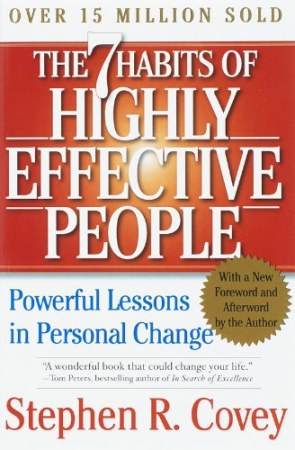
The 7 habits of highly effective people
Stephen R. Covey, Sean Covey
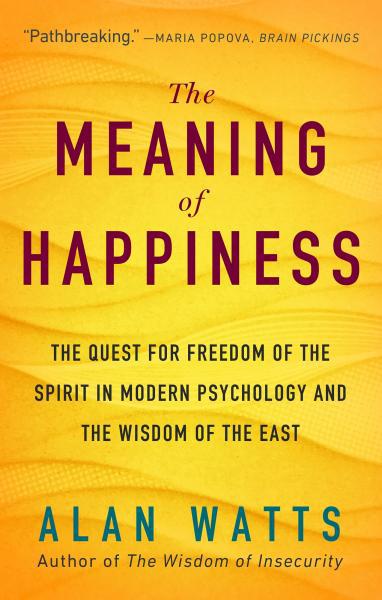
Alan Watts
The quest for happiness often leads to frustration, as many fail to realize that the...

Reaching sixty can evoke complex emotions, blending relief with ongoing ambition. This...

The quest for life's purpose often leads to unsatisfactory answers. This article...

Romantic love is a complex emotion shaped by historical, cultural, and biological...

Imagine going through one of the most physically and emotionally demanding experiences...

Have you ever argued over something that wasn't actually said? From cultural differences...

Daily actions often conflict with personal beliefs due to past experiences. By utilizing...

Therapists often use dream interpretation to delve into patients' emotions, but true...