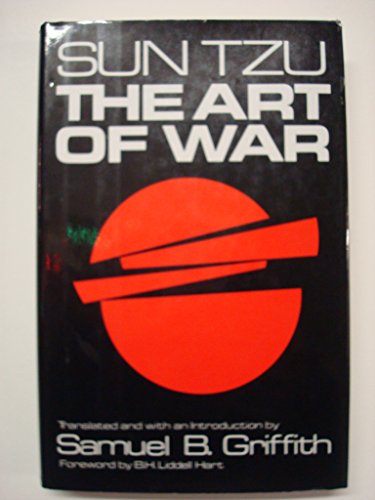


















Ancient wisdom meets modern application in this timeless treatise on strategy, leadership, and the nature of conflict. Originally composed over two thousand years ago in China, this foundational text has transcended its military origins to become an essential guide for navigating competition, negotiation, and power dynamics in virtually every sphere of human endeavor.
At its core, this work explores the fundamental principles governing successful strategy and the psychological dimensions of conflict. Rather than glorifying warfare, it presents a sophisticated philosophy that prizes wisdom over force, preparation over reaction, and understanding over aggression. The central teaching emphasizes that the supreme art of strategy is to achieve objectives without unnecessary confrontation—to win through superior positioning, timing, and insight rather than through brute strength alone.
Readers will discover thirteen interconnected chapters that systematically address different aspects of strategic thinking. These sections examine everything from the initial calculations necessary before undertaking any competitive venture to the nuanced understanding of terrain, both literal and metaphorical, that can determine success or failure. The text delves deeply into leadership qualities, exploring how those who guide others must balance strength with flexibility, decisiveness with patience, and confidence with humility.
One of the most transformative aspects of these teachings lies in their emphasis on self-knowledge and situational awareness. The famous dictum that knowing oneself and knowing one's opponent leads to victory in every battle has profound implications far beyond military application. This principle speaks directly to anyone navigating the complexities of political life, organizational dynamics, or social movements. Understanding your own strengths, limitations, resources, and motivations becomes the foundation for effective action in any competitive environment.
The philosophy presented here offers invaluable insights for those engaged in democratic processes, political campaigns, policy advocacy, or community organizing. The strategic principles around coalition building, resource management, timing of initiatives, and understanding the psychological terrain of public opinion remain remarkably relevant. Political leaders and activists will find guidance on how to build momentum, when to advance aggressively and when to conserve energy, and how to transform apparent weaknesses into strategic advantages.
For readers interested in social consciousness and progressive change, these ancient teachings illuminate the dynamics of power and how to challenge entrenched interests effectively. The text's emphasis on indirect approaches, strategic positioning, and psychological insight offers alternatives to purely confrontational tactics. Understanding how to maneuver through complex political landscapes while maintaining ethical grounding becomes crucial for anyone seeking to create meaningful social transformation.
The philosophical depth extends to questions of when conflict is justified and how to minimize its destructive costs. There's a profound pragmatism that acknowledges competition and conflict as inevitable aspects of human society while insisting that wisdom lies in achieving goals with minimal harm. This perspective resonates with those seeking to balance idealism with effectiveness, principle with practicality.
What makes these teachings particularly valuable for personal growth is their applicability to internal struggles and self-development. The strategic principles can be turned inward, helping readers understand their own competing desires, overcome self-defeating patterns, and marshal their personal resources more effectively. The emphasis on discipline, preparation, flexibility, and timing applies equally to individual transformation as to external contests.
The clarity of thought and economy of expression found throughout creates a text that rewards repeated study. Each reading reveals new layers of meaning and fresh applications to contemporary challenges. The aphoristic style makes the wisdom memorable and practically applicable, allowing readers to carry key principles into their daily decision-making.
For those navigating today's complex political landscape, these ancient insights offer a compass for maintaining strategic clarity amid chaos. Understanding the principles governing competitive dynamics, the psychology of leadership and followership, and the ways that preparation and positioning determine outcomes equips readers with intellectual tools applicable across contexts—from local community organizing to understanding international relations, from managing organizational politics to advancing policy agendas.