




















Happiness & Success
Achieving Happiness Through Acceptance of Life
The quest for happiness often leads to frustration, as many fail to realize that the...

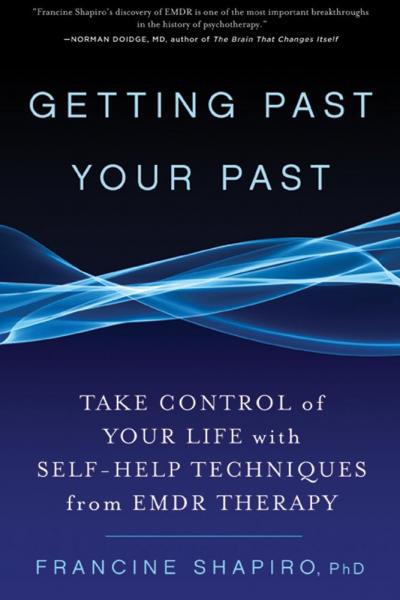
Have you ever wondered why certain situations trigger unexpectedly strong reactions in you? Why a critical comment from a colleague sends you spiraling, or why you freeze up when facing opportunities that should excite you? The answer may lie not in who you are today, but in unprocessed memories from your past that continue to shape your present experiences in ways you never realized.
This groundbreaking work introduces readers to a revolutionary understanding of how our brains store and process memories, and more importantly, how unresolved experiences from our past create the psychological blocks that hold us back in the present. Drawing on decades of clinical research and therapeutic practice, this resource illuminates the often invisible connections between past experiences and present struggles, offering a pathway to genuine healing and transformation.
At the heart of this exploration is Eye Movement Desensitization and Reprocessing, or EMDR therapy, a scientifically validated approach that has helped millions of people worldwide overcome trauma, anxiety, depression, and a wide range of psychological challenges. Rather than requiring years of talk therapy, this method works with the brain's natural healing processes to help reprocess disturbing memories and experiences, allowing them to be stored in ways that no longer trigger distress or dysfunction in daily life.
Read more ▼
Caroline Myss

10 Radiant Ideas (Big Heart Miracles Study Guide, 1)
Karen Anne Bentley
The quest for happiness often leads to frustration, as many fail to realize that the...

Reaching sixty can evoke complex emotions, blending relief with ongoing ambition. This...

The quest for life's purpose often leads to unsatisfactory answers. This article...

Imagine going through one of the most physically and emotionally demanding experiences...

Romantic love is a complex emotion shaped by historical, cultural, and biological...

Daily actions often conflict with personal beliefs due to past experiences. By utilizing...

Have you ever argued over something that wasn't actually said? From cultural differences...

Therapists often use dream interpretation to delve into patients' emotions, but true...