


















Happiness & Success
Achieving Happiness Through Acceptance of Life
The quest for happiness often leads to frustration, as many fail to realize that the...

For centuries, humans have wondered about the true potential of consciousness and whether our minds are bound solely by the physical constraints of our brains. Recent groundbreaking discoveries in neuroscience are revealing something extraordinary: the relationship between mind and brain may be far more complex and empowering than previously imagined. These findings suggest that consciousness isn't merely a product of neural firing, but rather something that can influence, shape, and even transcend the physical organ of the brain itself.
Drawing on cutting-edge research from neuroscience laboratories around the world, alongside wisdom from contemplative traditions spanning millennia, a compelling case emerges for the untapped capacities dwelling within human consciousness. Studies using advanced brain imaging technologies have documented remarkable phenomena: experienced meditators demonstrating unprecedented levels of neuroplasticity, individuals experiencing profound spiritual states showing brain patterns that defy conventional explanation, and compelling evidence that focused intention and awareness can literally rewire neural pathways.
What makes this exploration particularly fascinating is how ancient spiritual practices are being validated through modern scientific methodology. Meditation techniques passed down through generations are now being studied with functional MRI machines and EEG monitors, revealing measurable changes in brain structure and function. These aren't subtle shifts—researchers have documented significant increases in gray matter density, enhanced connectivity between brain regions, and improved cognitive function that persists long after meditation sessions end. The implications are profound: our brains are far more malleable and responsive to conscious direction than the deterministic models of previous decades suggested.
Read more ▼
Herbert Benson
Clare R. Johnson

Dr. Amarnick's Mind over Matter Pain Relief Program
Claude D. O. Amarnick
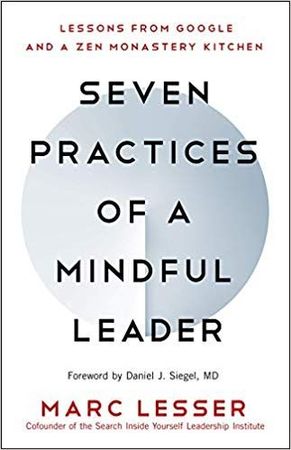
Seven Practices of a Mindful Leader
Marc Lesser
The quest for happiness often leads to frustration, as many fail to realize that the...

Reaching sixty can evoke complex emotions, blending relief with ongoing ambition. This...

The quest for life's purpose often leads to unsatisfactory answers. This article...

Romantic love is a complex emotion shaped by historical, cultural, and biological...

Imagine going through one of the most physically and emotionally demanding experiences...

Have you ever argued over something that wasn't actually said? From cultural differences...

Daily actions often conflict with personal beliefs due to past experiences. By utilizing...

Therapists often use dream interpretation to delve into patients' emotions, but true...